Ecoflors Header
FOB Ningbo / Shanghai MOQ 800 sqm / SKU HS Code 3918.10 ISO 9001 · FloorScore · GREENGUARD Gold · CE EN 14041 Manufacturer since 2017 · 60+ countries
SPC Flooring Australia — NCC F7 Acoustic Supplier | Ecoflors
🇦🇺 Australia · Port Botany · Melbourne · Brisbane · Fremantle
Factory Direct · FOB Ningbo → AU Ports · Since 2017

SPC & LVT Flooring
Supplier Australia
NCC 2022 F7 · AS 4586 · FloorScore

For Australian importers, distributors, and developers: factory-direct SPC click and LVT glue-down flooring engineered for NCC 2022 Volume One Part F7 acoustic compliance (Class 2/3/9c), certified to AS/NZS 1884:2021 installation, AS 4586 R10+ slip resistance (wet pendulum), AS ISO 9239.1 fire performance, and FloorScore for GBCA Green Star projects. HS Code 3918.10. Pre-classified commercial invoicing with DCR-aligned anti-dumping evidence. FOB from US$6.35/m². MOQ 800 sqm.

The Australian flooring import market sits on three risk layers most Chinese manufacturers do not document properly: NCC 2022 Part F7 acoustic data by SPC thickness (the figure your developer’s acoustic engineer needs at DA stage), AS 4586 R10+ wet pendulum slip certification (the WHS sign-off document), and the upstream documentation package that supports a clean N10 Import Declaration through your customs broker. Ecoflors has shipped to Port Botany, Melbourne, Brisbane, and Fremantle since 2017 — the documentation package is built into every Australian shipment, not added on request.

NCC 2022 Part F7 AS/NZS 1884:2021 AS 4586 R10+ FloorScore · Green Star FOB from US$6.35/m²
≤0.10%Dimensional stability
18–22dSydney / Melbourne transit
800sqm MOQ / SKU
2017Supplying AU since
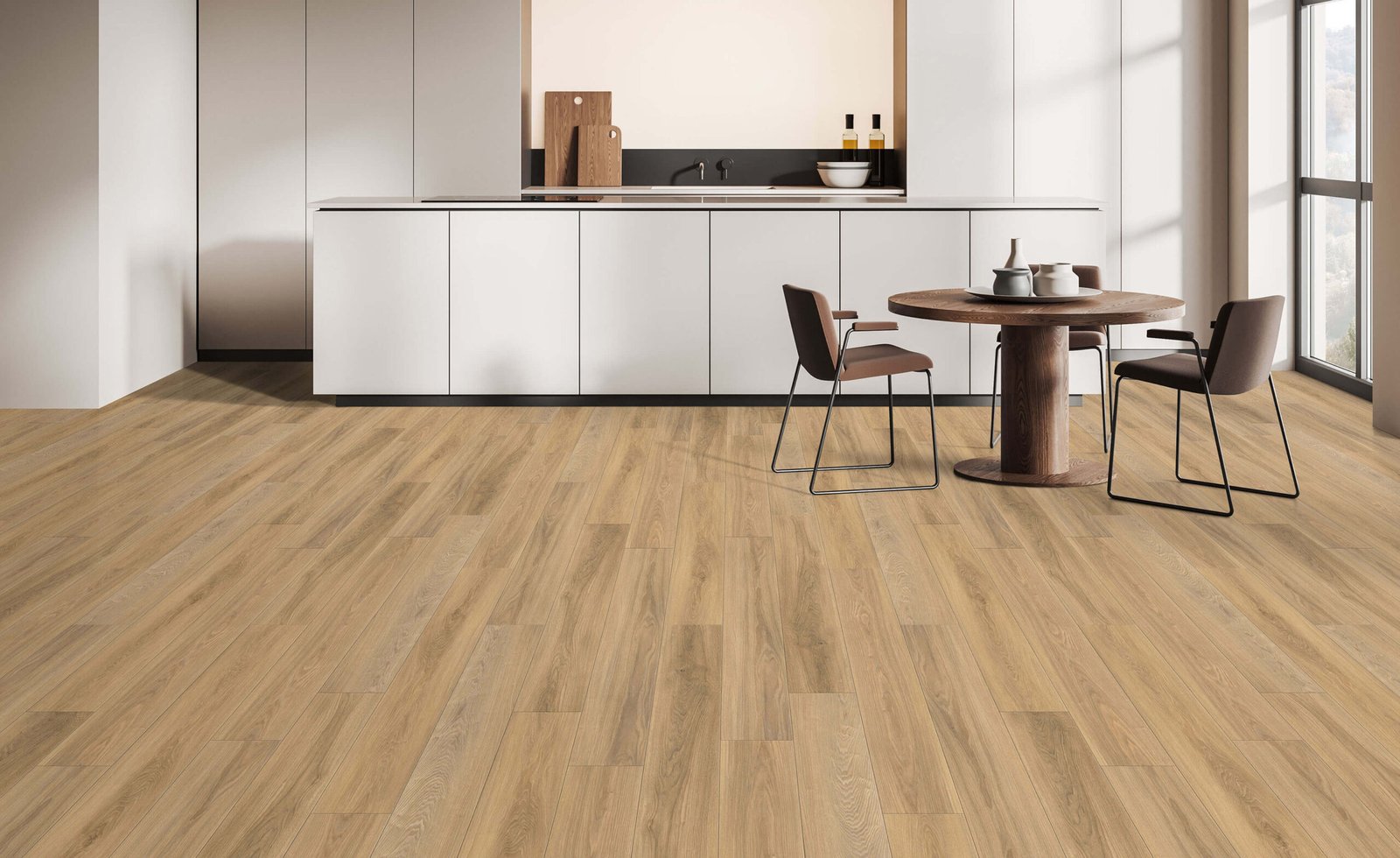
8mm SPC click flooring Australia high-rise residential — NCC 2022 Part F7 acoustic compliant — Ecoflors factory direct supplier
AU Featured · 8mm SPC · NCC 2022 Part F7
US$7.808mm SPC · 0.5mm wear
△IIC 23–24 dBHigh-rise acoustic
18–22 daysSydney / Melbourne
Five Australian compliance layers — documented as standard with every Ecoflors AU shipment
NCC 2022 Part F7
Sound transmission and insulation for Class 2/3/9c buildings — the current Australian acoustic compliance section (renamed from Part F5 in NCC 2022). Floor △IIC value drives the ceiling assembly specification.
AU Multi-Storey Acoustic
AS/NZS 1884:2021
Resilient flooring installation — the current AU/NZ benchmark for SPC and LVT installation methodology. Mandatory specification reference for commercial flooring contractors.
AU Installation Standard
AS 4586 R10+
Slip resistance — wet pendulum test method. R10+ required for commercial wet areas, kitchens, bathrooms, and external transition zones. WHS sign-off document for fit-out contractors.
WHS Compliance
AS ISO 9239.1
Critical radiant flux — fire performance for floor coverings. ≥ 2.2 kW/m² baseline. Required for NCC fire compliance in commercial spaces and Class 9 healthcare or aged-care buildings.
FloorScore · CDPH
VOC emissions certification — SCS-FS-05154. Satisfies GBCA Green Star IEQ materials credits. Increasingly specified in AU commercial fit-outs and sustainable residential developments.
Module 1 of 3 · Australian Acoustic Standard

NCC 2022 Part F7 — The Floor Thickness Decision That Drives Your Ceiling Build Cost.

The first specification mistake in Australian multi-storey residential is treating SPC thickness as an aesthetic choice rather than an acoustic compliance lever. NCC 2022 Volume One Part F7 (the section renamed from Part F5 in the 2022 NCC edition) sets minimum sound insulation between sole-occupancy units in Class 2, Class 3, and Class 9c buildings. The Part F7 target is met across the full floor-ceiling assembly — not by the SPC alone — but the SPC’s △IIC contribution determines how much acoustic load the ceiling below must absorb.

Specifically: each dB of acoustic contribution from the floor covering shifts that dB of compliance burden away from the ceiling assembly. Across a 20-storey Sydney or Melbourne residential tower with 200+ apartments, the ceiling assembly specification is the single largest acoustic cost line. Selecting 8mm SPC (△IIC 23–24 dB) over 5mm SPC (△IIC 21 dB) typically saves more on aggregate ceiling build cost than the additional SPC material cost differential — by a wide margin.

The mistake that gets locked in at DA stage
AU developers and their flooring suppliers regularly fail to send the SPC △IIC data to the project acoustic engineer until after preliminary ceiling assembly design is locked. Consequently, the ceiling is over-specified to absorb the entire Part F7 compliance target on the assumption that the floor covering contributes nothing. Furthermore, NCC 2022 references the updated AS/NZS ISO 717 Part 2 (2024) assessment method — older △IIC test reports from 2019 or earlier may not be accepted for current submissions.

Ecoflors provides the SPC △IIC contribution by thickness — measured to AS/NZS ISO 717 Part 2 (2024) — as a DA-submission ready specification sheet on request. Specifically, this lets the acoustic engineer set the ceiling assembly to the actual residual compliance gap, not an over-specified worst case.

SPC Thickness vs △IIC NCC 2022 Part F7
4mm
Light residential — single-storey or detached only. Insufficient △IIC contribution for Class 2/3 multi-storey.
~19 dB
5mm
Low-rise apartments — Class 2 walk-ups. Ceiling assembly must absorb the majority of Part F7 target.
~21 dB
6mm
Mid-rise residential — Class 2 boutique apartments. Balanced floor / ceiling acoustic split.
~22 dB
8mm
High-rise residential — recommended. Maximum △IIC contribution. Lowest aggregate ceiling assembly cost across a full tower.
23–24 dB
△IIC values are typical Ecoflors SPC product range performance measured to AS/NZS ISO 717 Part 2 (2024). Project-specific test reports issued per shipment. Final compliance is determined by the project acoustic engineer assessing the full floor-ceiling assembly, not the floor covering alone.
Module 2 of 3 · Australian Climate-Specific Specification

Specifying SPC for Australian Climate Zones — Why ≤0.10% Stability Matters Most in WA and QLD.

Australia spans climate conditions that no single SPC specification handles uniformly. Specifically, dimensional stability ≤0.10% (EN ISO 23999) is the threshold figure for un-airconditioned WA and QLD commercial environments. The data below covers the four Australian climate zones that drive specification decisions — temperature ranges, common failure modes by state, and the specification floor that prevents callbacks.

Zone 1 · Severe
Tropical North
QLD (Cairns, Townsville) · NT (Darwin) · Far North WA
28–40°C
Year-round + humidity ≥75%
  • Cyclone-season humidity drives PVC core moisture cycling
  • Un-airconditioned warehouses reach 48–55°C in summer
  • Wet area slip resistance critical — outdoor transition zones
✓ 8mm SPC + 0.5mm wear + AS 4586 R11 wet zones
Zone 2 · High
Hot Dry Inland
WA (Perth, Karratha) · Outback SA · NT (Alice Springs)
15–45°C
Wide daily swing · Low humidity
  • Largest interior temperature range in Australia
  • Joint expansion / contraction over 24-hour cycle
  • ≤0.10% (EN ISO 23999) is non-negotiable specification floor
✓ ≤0.10% mandatory · click-lock + 8mm expansion gap
Zone 3 · Moderate
Temperate Coastal
NSW (Sydney) · VIC (Melbourne) · SA (Adelaide)
10–35°C
High-rise residential capital
  • The acoustic spec zone — NCC 2022 Part F7 drives the order
  • Air-conditioned high-rise softens dimensional stress
  • FloorScore + GBCA Green Star most frequently specified here
✓ 8mm SPC △IIC 23–24 dB + FloorScore
Zone 4 · Cool
Cool Temperate / Highland
VIC (Highlands) · TAS · ACT (Canberra) · NSW Alpine
0–28°C
Hydronic UFH compatible
  • Hydronic underfloor heating compatibility — max 28°C surface
  • Winter humidity drop drives shrinkage in non-stable cores
  • Frost-zone subfloor moisture verification at handover
✓ UFH-rated SPC + ≤0.10% stability
Transit times from Ningbo / Shanghai to Australian ports — 2026 reference
18–22 days
Sydney — Port Botany
Main east-coast entry. NSW, ACT, and southern QLD distribution hub. Weekly direct service via COSCO and Evergreen. HS 3918.10 pre-classified commercial invoicing standard.
18–22 days
Melbourne — Webb Dock
VIC and SA distribution. Frequently used for mixed-SKU 40HQ containers. Container axle weight limits strictly enforced — verified weight certificate essential per booking.
20–24 days
Brisbane — Fisherman Islands
QLD primary entry. Suitable for North QLD project supply. Furthermore, Brisbane is the nearest deepwater port for Darwin and NT projects with onward road freight.
22–26 days
Fremantle / Perth
WA entry point. Longer transit — mixed 40HQ container recommended to maximise sqm per freight cost. WA summer interior temperatures make ≤0.10% stability non-negotiable.
Three Australian B2B buyer types — which applies to you?

Australian Flooring Procurement Operates
Across Three Distinct Models.

A flooring importer in Sydney carries different compliance obligations and container strategy requirements than a multi-storey residential developer in Melbourne or a commercial fit-out contractor in Brisbane. Consequently, this page addresses each buyer type separately — with the specific documentation, specification, and logistics information each requires.

🏢
Importer · Distributor · Wholesaler
Australian Flooring Importer & Distributor

Your procurement risk sits at Port Botany or Fremantle through your customs broker’s N10 Import Declaration. HS 3918.10 classification accuracy, anti-dumping exemption code application, and container weight compliance are the three failure points. Specifically, the ABF’s 2025–2026 Compliance Monitoring Program identified a 32% import declaration error rate — with anti-dumping exemption code misapplication flagged as a priority audit area. Ecoflors supplies upstream documentation that supports your customs broker in lodging a correctly evidenced N10 — every container ships with HS-classified commercial invoicing, country of origin certification, and DCR-aligned product description.

HS 3918.10 pre-classified commercial invoicing — supports clean N10 lodgement
DCR-aligned product description — anti-dumping evidence package included
Mixed 40HQ container — 3–6 SKUs, verified weight certificate per booking
AS 4586 R10+ + FloorScore — resale compliance documents per SKU
OEM private label — your brand from 5,000 m² per colour (see Module 3 below)
Request Distributor Pricing
🏗️
Developer · Builder · Property Manager
Multi-Storey Residential Developer Australia

Australian Class 2 and Class 3 multi-storey residential developers specify SPC under NCC 2022 Volume One Part F7 — and the acoustic engineer’s report determines the SPC thickness. As covered in Module 1 above, the floor △IIC contribution drives the ceiling assembly specification, and at scale across a 20-storey tower the difference between 5mm SPC and 8mm SPC typically inverts the aggregate fit-out cost calculation. For commercial developments, FloorScore certification satisfies GBCA Green Star materials credits without supplementary VOC testing per SKU.

NCC 2022 Part F7 △IIC data — DA submission ready by SPC thickness
AS/NZS ISO 717 Part 2 (2024) — current assessment method test reports
FloorScore SCS-FS-05154 — GBCA Green Star IEQ credit eligible
AS ISO 9239.1 ≥ 2.2 kW/m² — NCC fire compliance data per SKU
Request Developer Pricing
🔧
Contractor · Fit-Out · Commercial Installer
Commercial Flooring Contractor Australia

You install to AS/NZS 1884:2021 and carry warranty liability to the principal contractor and end client. Peel resistance ≥50N/50mm (ISO 24345), residual indentation ≤0.05mm (ISO 24343-1), and AS 4586 R10+ slip resistance are the parameters that protect you from callbacks. Moreover, dimensional stability ≤0.10% (EN ISO 23999) is the figure that matters in un-airconditioned WA and Queensland commercial spaces — where interior temperatures during construction and before HVAC commissioning can reach 45–55°C.

AS/NZS 1884:2021 compliant — current AU installation standard reference
Residual indentation ≤0.05mm — warranty protection per ISO 24343-1
AS 4586 R10+ wet pendulum — WHS sign-off document per SKU
Same-batch reorder within 60 days — multi-stage project supply
Request Contractor Pricing
Four specification errors unique to the Australian market

What Goes Wrong When Australian Requirements Are Ignored.

Based on shipping to Australia since 2017, these four failure modes occur consistently when SPC and LVT is specified or imported without Australian market knowledge. Each is a documentation or specification error — not a product quality failure.

01
Dimensional Instability in Un-Airconditioned WA and QLD Spaces

Indoor temperatures in un-airconditioned WA and Queensland commercial spaces regularly reach 45–55°C during summer — and during construction phase before HVAC commissioning, even higher. SPC flooring must maintain dimensional stability across this temperature range. The correct certified figure is ≤0.10% per EN ISO 23999, tested at the 23°C reference temperature. Flooring with worse expansion than ≤0.10% shows joint gapping and edge lift within 12–24 months in WA and QLD environments. Consequently, ≤0.10% is the minimum specification for all Australian climate zones — not an optional upgrade.

✓ ≤0.10% dimensional stability (EN ISO 23999) — third-party certified, included with every AU shipment
02
ABF Anti-Dumping Exemption Code Misapplication

The Australian Border Force’s December 2025 Goods Compliance Update flagged anti-dumping exemption code misapplication as a priority audit area for 2026, with a 32% import declaration error rate identified through the Compliance Monitoring Program. Specifically, incorrect exemption code use can trigger infringement penalties of 45 penalty units (AUD $14,850) or 75% of evaded duty — whichever is higher. Ecoflors does not lodge declarations (that is the importer’s customs broker function) but provides the upstream documentation — HS 3918.10 classification, country of origin certification, DCR-aligned product description — that supports a correctly evidenced N10.

✓ HS-classified commercial invoicing + DCR-aligned anti-dumping evidence — included with every AU shipment
03
NCC 2022 Part F7 Acoustic Failure in Multi-Storey Residential

NCC 2022 Volume One Part F7 (renamed from Part F5 in the 2022 NCC edition) sets minimum sound insulation between sole-occupancy units in Class 2 and Class 3 buildings. The SPC’s acoustic contribution is measured as △IIC and assessed per AS/NZS ISO 717 Part 2 (2024). Specifying 5mm SPC (△IIC ~21 dB) instead of 8mm SPC (△IIC 23–24 dB) forces the structural engineer to specify a more complex and expensive ceiling assembly to absorb the residual Part F7 compliance burden. Consequently, the floor covering thickness directly drives the ceiling build cost — a relationship that many AU developers and flooring suppliers fail to communicate to the acoustic engineer until after preliminary design is locked.

✓ △IIC data by thickness provided — 4mm (~19 dB) through 8mm (23–24 dB) — DA submission ready
04
Container Weight Overloading at AU Ports

SPC flooring at 1.95–2.05 g/cm³ core density is significantly heavier than standard flexible vinyl — approximately 8–12 kg/m² depending on thickness. A full 20GP container of 6mm or 7mm SPC can approach or exceed Australian port axle weight limits before reaching the volume limit. Specifically, Port Botany and Fremantle enforce 20GP gross weight limits strictly — overloaded containers are rejected at the gate, generating re-stuffing costs, port storage fees, and 5–10 working day clearance delays. Furthermore, mixed SPC and LVT containers require deliberate weight distribution planning to maintain axle compliance across both product types.

✓ Verified loading weight certificate — issued per booking. Container plan calculated per SKU mix before booking.
Module 3 of 3 · Private Label Manufacturing for AU Distributors

OEM Private Label SPC & LVT — Your Brand, From 5,000 m² Per Colour.

For Australian distributors who require factory-direct supply under their own brand: full OEM private label production from 5,000 m² per colour, with carton printing, lock-system selection, decor library access or custom decor development, wear layer customisation, and per-shipment AU compliance certificates issued under the distributor’s brand. Lead time 25–35 days first order; 15–25 days repeat.

Step 1 · Decor
Decor & Embossing
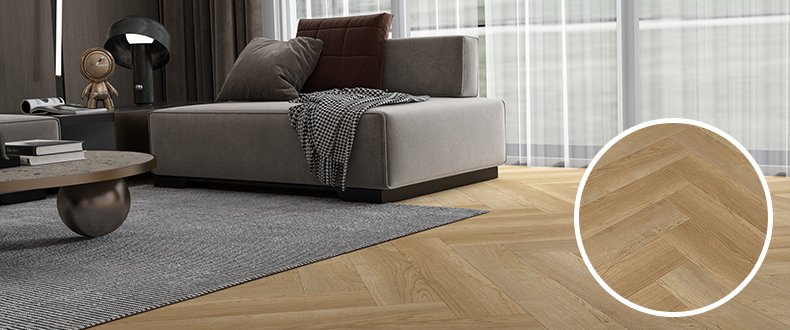
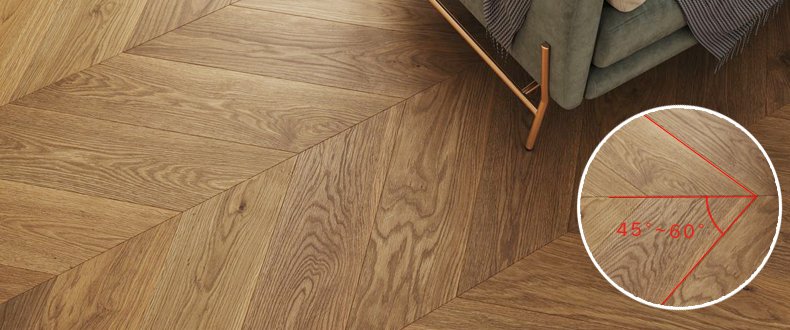
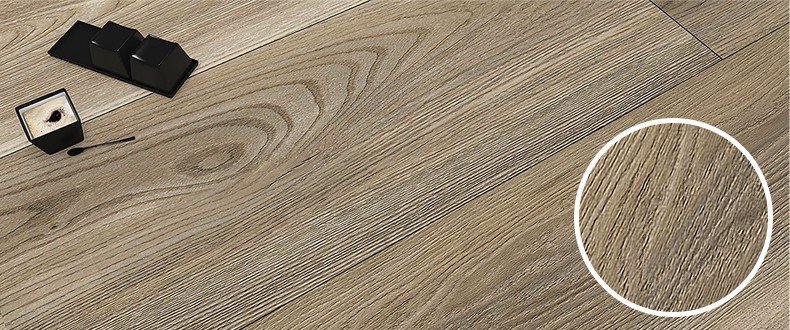
Select from the Ecoflors decor library (oak, walnut, herringbone, large-format stone) or commission custom decor development. EIR (Embossed In Register) and parallel embossing options. Decor proof shipped before mass production.
Step 2 · Construction
Core & Lock System
5mm / 6mm / 7mm / 8mm SPC click core at 1.95–2.05 g/cm³ density. Lock system: Uniclic or Välinge 5G. Wear layer: 0.3mm / 0.5mm / 0.7mm. UV-cured ceramic-bead top coat standard.
Step 3 · Branding
Carton & Tile Print
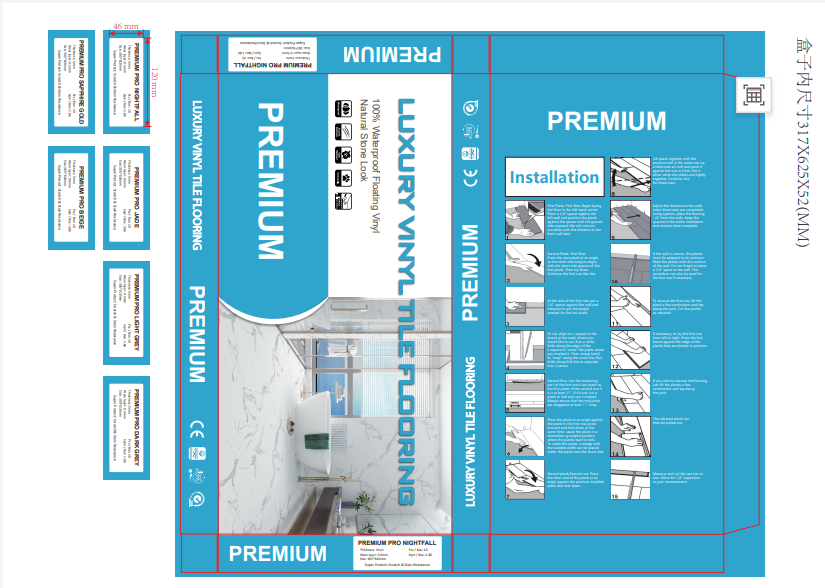
Full-colour carton printing with your brand artwork, SKU codes, batch numbering, and AU-spec content (NCC 2022 Part F7 △IIC, AS 4586 R-rating, FloorScore licence). Optional micro-print under wear layer.
Step 4 · Documentation
AU Certificate Package
AS/NZS 1884:2021 + AS 4586 R10+ + AS ISO 9239.1 + FloorScore + △IIC test reports — all issued referencing your brand SKU codes. Same-batch reorder traceability for 60 days.
5,000 m²
Minimum per OEM colour
Per individual SKU. Mixed-SKU 40HQ across 3–6 OEM colours accepted from the second order onwards.
25–35 days
First-order lead time
From artwork approval. Includes decor proof, carton sample dispatch, and pre-production approval cycle. Repeat orders 15–25 days.
60 days
Same-batch reorder window
Identical wear-layer batch retained for project continuity. Critical for multi-stage developments and showroom-to-warehouse pipeline.
Container strategy for Australian distributors — optimise sqm per freight dollar

AU Container Planning Reference

StrategyContainerSPC CoverageGross WeightSKUsCustoms RiskBest For
Single-SKU 20GP 20GP 2,200–2,400 m² ≤ 21,500 kg ✓ 1 colour Low First orders / test colour
Mixed-SKU 40HQ — Recommended 40HQ 4,500–5,000 m² ≤ 26,500 kg ✓ 3–6 colours Low AU distributors — best sqm/freight $
SPC + LVT mixed 40HQ 40HQ SPC 2,400 + LVT 2,200 m² ≤ 25,000 kg ✓ 4–8 lines Low National distributors (SPC + Dryback range)
Overloaded 20GP 20GP 2,600+ m² > 21,500 kg ✗ Any Re-stuffing + delay Avoid — cost exceeds saving
Product range for Australian importers and projects — 2026 FOB prices

Specify by Application.
All Products AU Compliance Ready.

SPC Click · AU Low-Rise Residential
5mm SPC Click
△IIC ~21 dB · Class 31/33 · Uniclic / Välinge 5G

Australian low-rise residential and townhouse standard. Floating click installation, no adhesive. ≤0.10% stability across AU climate zones. FloorScore SCS-FS-05154 eligible for Green Star. AS 4586 R10+ certified. Correct for Class 2 walk-ups where NCC 2022 Part F7 acoustic contribution from the floor covering is not maximised.

from US$6.35/m²
AU townhouse · Class 2 walk-up · light commercial
View 5mm SPC
SPC Click · AU High-Rise Acoustic
8mm SPC Click
△IIC 23–24 dB · Class 43 · Uniclic / Välinge 5G

The Australian multi-storey residential acoustic specification — and the rationale covered in detail in Module 1 above. △IIC 23–24 dB reduces the ceiling assembly specification burden under NCC 2022 Part F7. Specifically, at scale across a 200-apartment Sydney or Melbourne tower, savings on aggregate ceiling build cost exceed the SPC material cost differential by a wide margin. AS/NZS ISO 717 Part 2 (2024) test reports issued per shipment.

from US$7.80/m²
AU high-rise residential · NCC Part F7 · Sydney · Melbourne
View 8mm SPC
Dryback LVT · AU Commercial
2.5mm Dryback LVT
Class 33/42 · 0.5mm wear · 5,100 m²/20ft · Glue-down

Australian commercial office and retail renovation. Glue-down installation eliminates the floating-floor joint creak that accumulates over time in heavy-traffic commercial environments. Significantly better container yield than SPC click (5,100 m²/20GP vs 2,200 m²/20GP). FloorScore certified for GBCA Green Star commercial projects.

from US$5.10/m²
AU commercial office · retail renovation · Class 33/42
View 2.5mm Dryback
FAQ · Australian SPC & LVT Procurement

Questions Australian Importers and Developers Ask Before Their First Order.

Which SPC thickness is correct for NCC 2022 Part F7 acoustic compliance?
NCC 2022 Volume One Part F7 sets minimum sound insulation between sole-occupancy units in Class 2 and Class 3 buildings. The SPC floor covering’s acoustic contribution is measured as △IIC. 8mm SPC contributes △IIC 23–24 dB; 5mm SPC contributes approximately △IIC 21 dB. Selecting 8mm over 5mm reduces the acoustic load on the ceiling assembly below — which at scale across a 20-storey tower typically saves more in aggregate ceiling build cost than the additional SPC material cost differential. The full reasoning is set out in Module 1 above.
How does Ecoflors handle ABF anti-dumping compliance for vinyl flooring imports?
The Australian Border Force flagged anti-dumping exemption code misapplication as a priority compliance area for 2025–2026, with a 32% import declaration error rate identified through its Compliance Monitoring Program. Ecoflors provides commercial invoices with HS 3918.10 tariff classification, country of origin certification, and DCR-aligned product description that supports the importer’s customs broker in lodging a correctly evidenced N10 Import Declaration. We do not lodge declarations on behalf of importers — that is the broker function — but we provide the upstream documentation that prevents the most common 32% error class.
Why does dimensional stability ≤0.10% matter most for Western Australia and Queensland?
Un-airconditioned commercial and warehouse spaces in WA and QLD regularly reach 45–55°C interior temperature during summer, particularly during construction before HVAC commissioning. SPC flooring with dimensional stability worse than ≤0.10% (EN ISO 23999) — tested at 23°C reference — shows joint gapping and edge lift within 12–24 months in these environments. Ecoflors specifies ≤0.10% as the standard across all Australian shipments. This is not an upgrade; it is the minimum specification for the Australian climate zones detailed in Module 2 above.
What is the MOQ for SPC flooring to Australia, and can I mix SKUs in one container?
Minimum order quantity is 800 sqm per SKU (per colour and thickness). Mixed-SKU 40HQ containers are accepted with 800 sqm minimum per individual colour code — typically 3–6 colours per container, delivering 4,500–5,000 m² total coverage. This is the recommended strategy for AU distributors because it optimises sqm-per-freight-dollar while keeping each colour above the production-batch minimum. The Marine Vinyl product line carries a separate MOQ of 3,000 m² due to dedicated production tooling — see the Marine Vinyl page for details.
Can Ecoflors supply OEM private label SPC for Australian distributors?
Yes. Private label OEM packaging is available from 5,000 m² per colour. This includes carton printing under your brand, lock-system selection (Uniclic or Välinge 5G), wear layer thickness specification (0.3mm / 0.5mm / 0.7mm), decor selection from the Ecoflors library or custom decor development, and all AU compliance certificates issued referencing your brand’s SKU codes. Lead time is 25–35 days first order from artwork approval; repeat orders 15–25 days. See Module 3 above for the full OEM workflow.
What is the lead time from purchase order to AU port arrival?
Production lead time is 15–25 days from confirmed purchase order for standard SKUs; 25–35 days for first OEM order. Add transit: Sydney Port Botany 18–22 days, Melbourne Webb Dock 18–22 days, Brisbane Fisherman Islands 20–24 days, Fremantle 22–26 days. Total ex-works to AU port: 33–61 days depending on production stage and destination. Air-freight sample dispatch separately within 5 working days. ABF customs clearance through your broker adds 2–7 working days subject to N10 accuracy.
What samples are provided to AU importers before first purchase?
Standard sample kit includes A4-size pieces of the requested SKUs (typically 3–8 colours), lock-system cross-section sample, packaging sample, and the AU compliance document set (AS/NZS 1884:2021, AS 4586 R-rating, FloorScore certificate, △IIC test report per requested thickness). Sample dispatch via DHL or FedEx air express, 6–8 day arrival to Sydney, Melbourne, Brisbane, or Perth. Project-specific custom decor samples available on request — additional 7–10 working days for decor development. Request via the AU sample request form.
Australia · NCC 2022 Part F7 · AS 4586 · Factory Direct

AU Wholesale Price
+ Compliance Docs
in 24 Hours.

Standard AU documentation package per shipment: AS/NZS 1884:2021 installation reference · AS 4586 R10+ slip certificate · FloorScore SCS-FS-05154 · NCC 2022 Part F7 △IIC data by thickness (AS/NZS ISO 717 Part 2:2024) · HS 3918.10 pre-classified commercial invoicing · DCR-aligned anti-dumping evidence · Verified container weight certificate · CE EN 14041 DoP · ≤0.10% stability (EN ISO 23999)

Send your AU specification — product type, thickness, port of entry, volume, and compliance requirements. You receive FOB pricing, the complete AU compliance document package, and sample dispatch confirmation within one business day. Furthermore, OEM private label production is available from 5,000 m² per colour for AU distributors who require factory-direct supply under their own brand — see Module 3 above for workflow.

NCC 2022 Part F7 AS/NZS 1884:2021 AS 4586 R10+ FloorScore · Green Star HS 3918.10 ≤0.10% EN ISO 23999
HS Code: 3918.10 · FOB Ningbo / Shanghai
MOQ: 800 sqm / SKU · Lead time: 15–25 days from PO
Sydney / Melbourne 18–22d · Brisbane 20–24d · Fremantle 22–26d
AU Wholesale Inquiry · FOB + Compliance Docs · 24h Response
Get Your AU Wholesale
Price + Document Package

Specify your product, AU port of entry, and compliance requirements. We respond within one business day with FOB pricing and the complete AU compliance document package.


    Product Requirements


    MOQ 800 sqm · Factory direct · Response within 24 hours

    Ecoflors Footer — Redesign Preview
    1