
Dryback LVT Flooring for Importers, Distributors & Project Buyers
Dryback LVT is a flexible vinyl plank or tile bonded to a prepared subfloor with full-spread adhesive. We make it in three grades, 2.0, 2.5 and 3.0 mm total thickness, with 17 standard plank SKUs. Pick the SKUs, download each TDS, then send them with your quotation or sample request.
- 3 grades · 17 standard SKUs
- 2.0 / 2.5 / 3.0 mm total thickness
- TDS download per SKU
- 3 standard plank sizes
- Documents matched by SKU
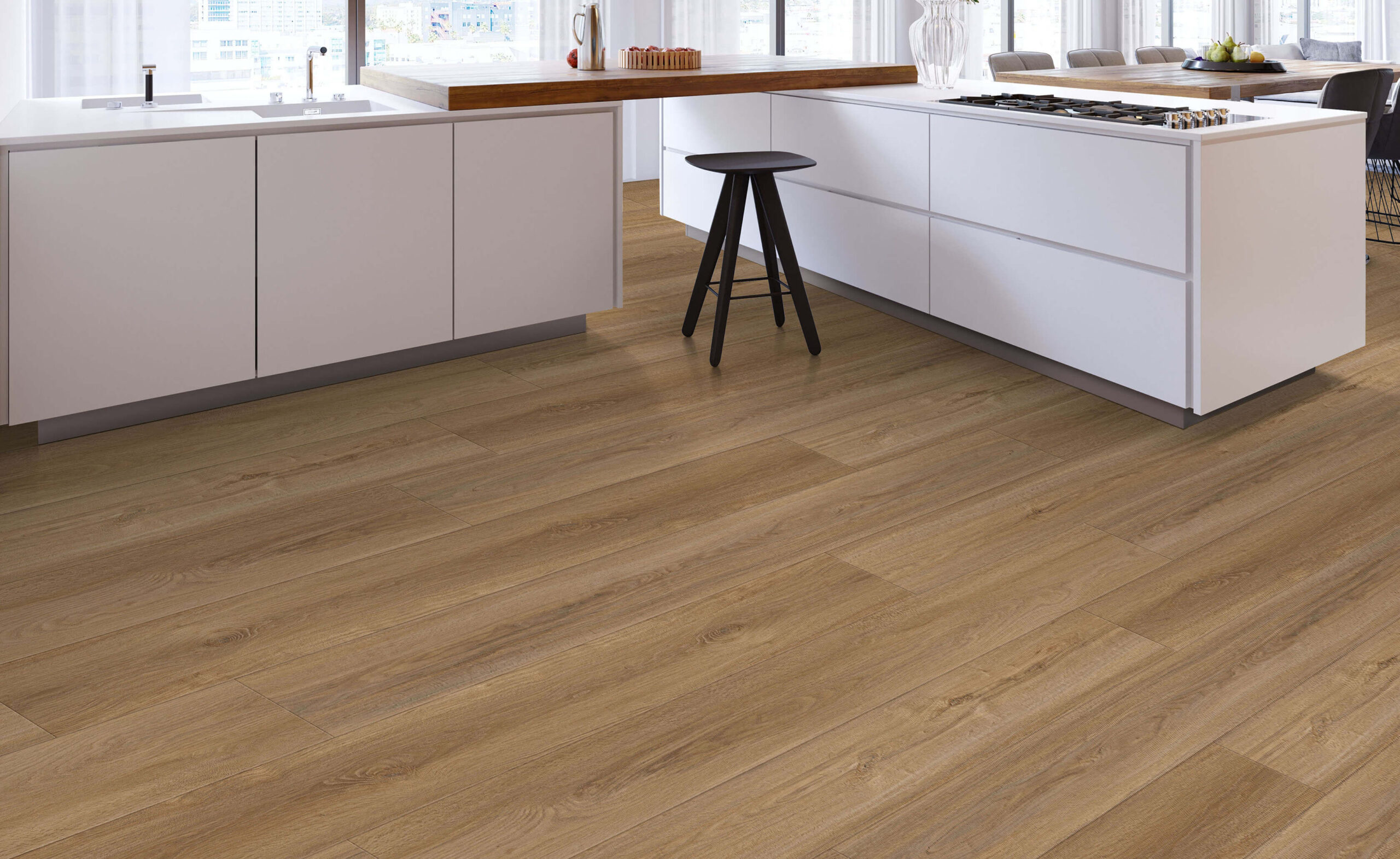
The wear layer is part of the total thickness
Dryback LVT has no attached pad. The total thickness is the whole plank: UV coat, wear layer, décor film, vinyl core and backing. A 2.5 mm plank with a 0.50 mm wear layer is 2.5 mm in total, not 3.0 mm. Put total thickness and wear layer on two separate lines when you compare quotations.
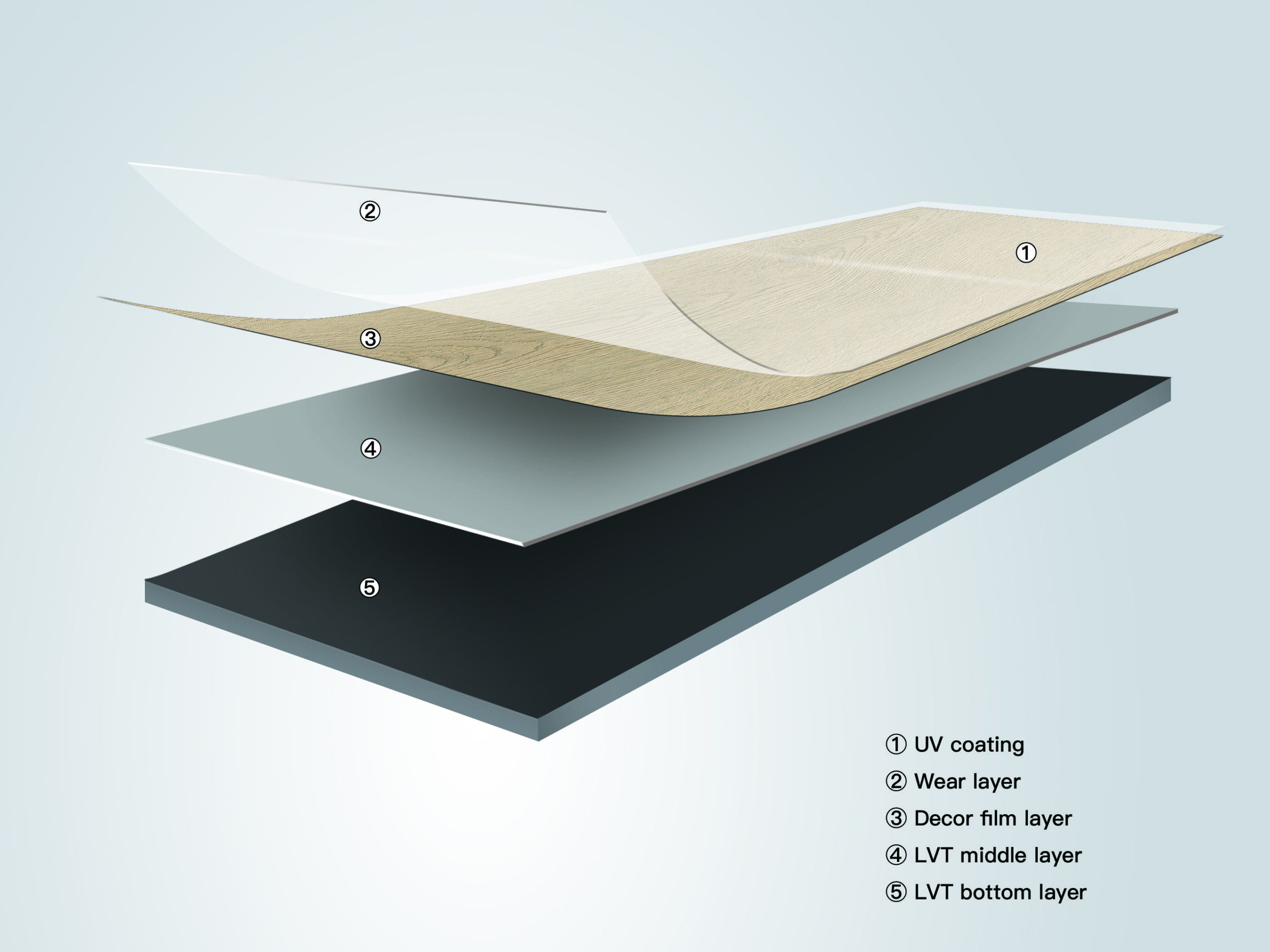
Confirm these six points before comparing price
Listed from the top of the plank to the underside. Each card links to the options further down this page.
UV coating
Sets the finish. The current Dryback datasheets state a UV-cured matte finish at 4–6 GU. A functional option, such as antibacterial, anti-stain or cigarette-burn resistance, changes the cost and the reports that apply.
Wear layer
0.30, 0.50, 0.55 or 0.70 mm, depending on the grade. It sits inside the total thickness and decides the use class you can document.
Texture and edge
Texture and edge change how the plank reads on the floor. They are also where most sample approvals fail.
Décor
The printed film carries the wood, stone, concrete or carpet look. The texture options follow the décor you choose.
Total thickness
The flexible core makes up most of the plank. The current documented 2, 2.5 and 3 mm builds have no fiberglass layer.
Backing and adhesive
The backing is bonded to the subfloor with full-spread adhesive. Subfloor preparation and adhesive choice affect the finished floor as much as the plank does.
Three grades, 17 standard SKUs
Each grade is one total thickness. Choose the grade, then the wear layer and size, and download the TDS for that exact SKU before comparing quotations. The SKU code shows the grade and thickness, the wear layer and the plank size in millimetres.
Typical positioning only. A use class or project suitability depends on the tested build and the documents for the selected SKU, not on the grade name.
| SKU | Wear layer | Plank size | TDS |
|---|---|---|---|
| Essential 2.0 mm · 0.30 mm wear layer · not made in 1524 mm length | |||
| 0.30 mm (12 mil) | 184.2 × 1219.2 mm | TDS PDF | |
| 0.30 mm (12 mil) | 228.6 × 1219.2 mm | TDS PDF | |
| Select 2.5 mm · 0.30 / 0.50 / 0.55 mm wear layer | |||
| 0.30 mm (12 mil) | 184.2 × 1219.2 mm | TDS PDF | |
| 0.30 mm (12 mil) | 228.6 × 1219.2 mm | TDS PDF | |
| 0.30 mm (12 mil) | 228.6 × 1524 mm | TDS PDF | |
| 0.50 mm (20 mil) | 184.2 × 1219.2 mm | TDS PDF | |
| 0.50 mm (20 mil) | 228.6 × 1219.2 mm | TDS PDF | |
| 0.50 mm (20 mil) | 228.6 × 1524 mm | TDS PDF | |
| 0.55 mm (22 mil) | 184.2 × 1219.2 mm | TDS PDF | |
| 0.55 mm (22 mil) | 228.6 × 1219.2 mm | TDS PDF | |
| 0.55 mm (22 mil) | 228.6 × 1524 mm | TDS PDF | |
| Premium 3.0 mm · 0.55 / 0.70 mm wear layer | |||
| 0.55 mm (22 mil) | 184.2 × 1219.2 mm | TDS PDF | |
| 0.55 mm (22 mil) | 228.6 × 1219.2 mm | TDS PDF | |
| 0.55 mm (22 mil) | 228.6 × 1524 mm | TDS PDF | |
| 0.70 mm (28 mil) | 184.2 × 1219.2 mm | TDS PDF | |
| 0.70 mm (28 mil) | 228.6 × 1219.2 mm | TDS PDF | |
| 0.70 mm (28 mil) | 228.6 × 1524 mm | TDS PDF | |
Décor, surface texture, edge, colour count and packing are confirmed per order and quoted against the selected SKU. Herringbone, other plank sizes and tile formats are quoted on request. Carton, pallet and container loading data are calculated per SKU in the quotation.
Set the format and edge before sample approval
A useful sample request combines the commercial brief with the physical choices. Buyers who compare on décor alone usually have to start the sample round again.
Format
Three standard plank sizes: 184.2 × 1219.2, 228.6 × 1219.2 and 228.6 × 1524 mm. Herringbone and tile formats are quoted separately against the build.
Surface
Match the décor with an available texture. Natural wood, crystal, embossed and selected EIR routes depend on the décor.
Edge
Straight edge or an available micro-bevel route, confirmed on the approved sample.
Finish
Colour, gloss and any coating option are agreed before the production standard is signed off.
Send a useful selection brief: SKU codes, décor codes, surface, edge, intended market, annual volume and any document requirement. Availability is confirmed against the selected build and approved sample.
Choose the wear layer by channel and project use
The combinations below follow the 17 standard SKUs. Wear layer thickness alone does not establish a use class; check the class on the TDS of the exact SKU before you repeat it in a tender or a price list.
| Wear layer | Grades | Documented reference |
|---|---|---|
| 0.30 mm (12 mil) | Essential 2.0 mm, Select 2.5 mm | 2.0 mm, 184.2 × 1219.2 mm plank: Class 31 on the current TDS. |
| 0.50 mm (20 mil) | Select 2.5 mm | Documented example on the current 2.5 mm datasheet: Class 32. |
| 0.55 mm (22 mil) | Select 2.5 mm, Premium 3.0 mm | Confirm the class on the TDS of the selected SKU. |
| 0.70 mm (28 mil) | Premium 3.0 mm | Documented example on the current 3 mm datasheet: Class 34. |
Surface texture is chosen with the décor
Wood décors come with natural wood grain, crystal or embossed textures, and EIR (embossed in register) on selected décors. Stone, concrete, terrazzo and carpet looks use Coral or Leather texture. The current Dryback datasheets state a UV-cured matte finish at 4–6 GU. Texture depth, gloss and the décors each texture is offered on are covered in the surface textures and gloss guide.
Design routes

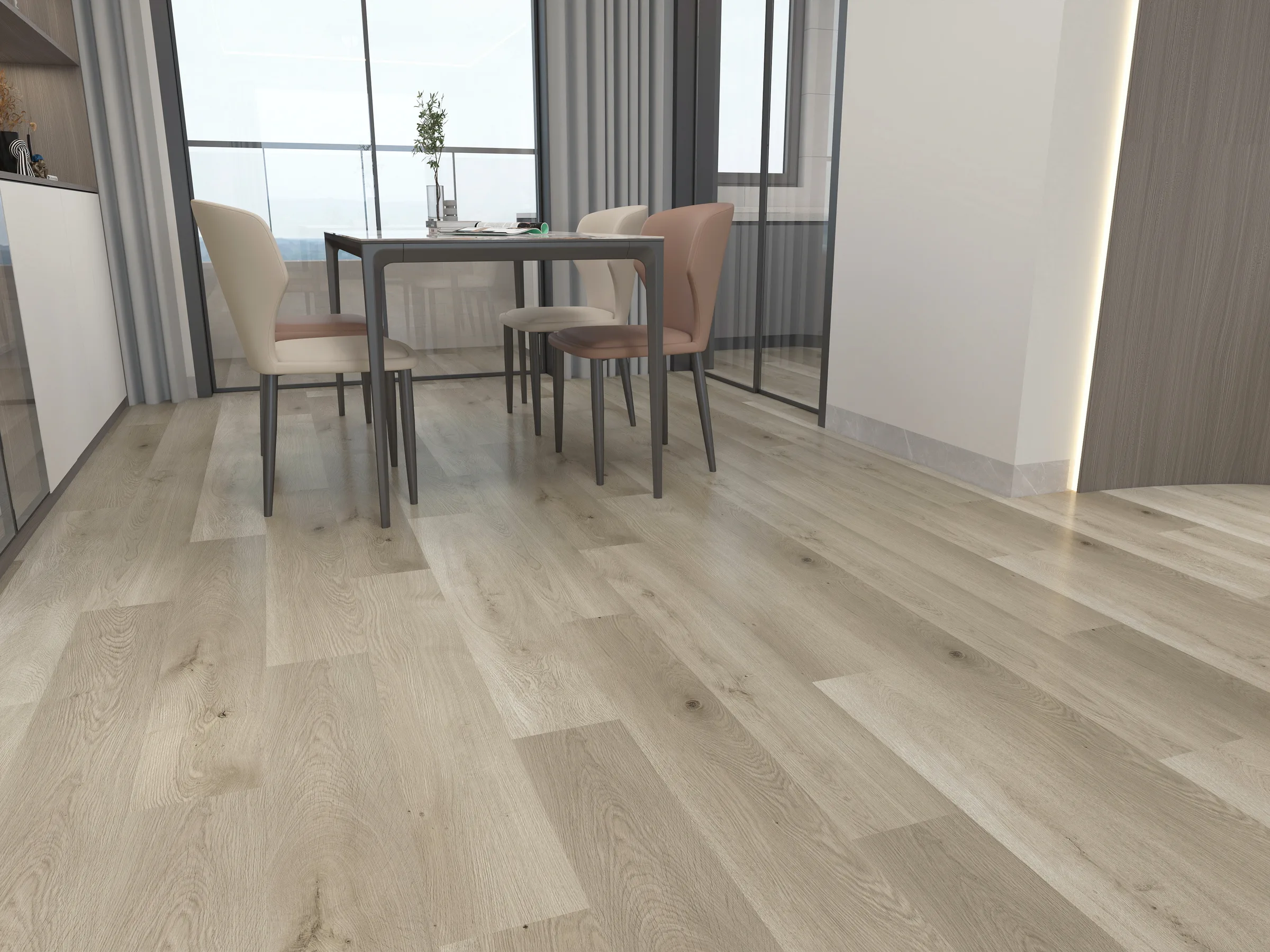
Images show the design direction, not the final colour or appearance of every build. Confirm texture, gloss, décor, edge and wear layer together on a physical sample before quotation approval.
Four checks that affect a glue-down floor
The flooring supplier, adhesive supplier and installer need one coordinated specification. Moisture, temperature and curing limits come from the approved adhesive system, not from the flooring alone. The flooring installation guide covers subfloor and jobsite planning.
Subfloor condition
Check flatness, strength and cleanliness, and whether grinding, priming or levelling is needed before installation.
Moisture assessment
Record the substrate and test method, then follow the limits stated by the approved moisture-control and adhesive system.
Adhesive selection
Choose the adhesive for the substrate, traffic, site conditions and local rules, and get its current application instructions.
Site and handover
Plan acclimation, rolling, curing and return to service according to the approved installation method.
Dryback, SPC click or loose lay?
| Decision | Dryback LVT | SPC click | Loose lay vinyl |
|---|---|---|---|
| How it is installed | Full-spread adhesive over a prepared subfloor. | Click-jointed floating floor; expansion and installation rules apply. | Product-specific loose lay or fixative route; perimeter and area rules vary. |
| Subfloor focus | Smoothness, cleanliness, dryness and adhesive compatibility show through in the finished surface. | Flatness still matters; the rigid click construction changes how the floor is assembled. | Subfloor condition and the fixing method still need project review. |
| Floor height | 2.0 to 3.0 mm total. | 5 to 8 mm finished, including a 1.0 mm attached IXPE pad. | Check the selected loose lay product specification. |
| Replacement planning | A bonded plank or tile is removed and the adhesive bed prepared again. | Access and replacement depend on the locking layout and room position. | Depends on the product and fixing plan. |
Documents are matched by SKU, construction and market
A report name alone is not enough. The product description, total thickness, wear layer, size, test standard, issuing body and intended market must fit the SKU being purchased. The ranges named in each certificate are listed on the certifications page.
Technical data
Check the TDS revision, construction, dimensions, tolerances and declared performance for the selected SKU.
Market documents
Name the destination market and standard, so the declaration or report can be checked before it is listed as available.
Test scope
Read fire, slip and emissions reports against the exact sample description and test method. One result does not cover a whole range.
Packing data
Use the approved carton, pallet and loading data for the final size and build when planning an order.
Installation information
Coordinate the flooring instructions with the adhesive manufacturer and the project substrate requirements.
Import reference
HS 3918.10 is a common starting reference; the importer or broker confirms the final customs treatment.
Send the standard and the proposed build if a document is required. We check which report applies and tell you about any gap before the requirement goes into a quotation.
Your brand programme, confirmed before production
Packaging and brand work follow the same confirmed SKU, market and document responsibility as the product quotation. See the OEM and private-label options for the full programme.
Approve the construction before artwork
Confirm the total thickness, wear layer, décor, surface and edge first. Carton marks, labels, barcode data, sample boards and the installation guide are then prepared around the approved item, not as a separate project.
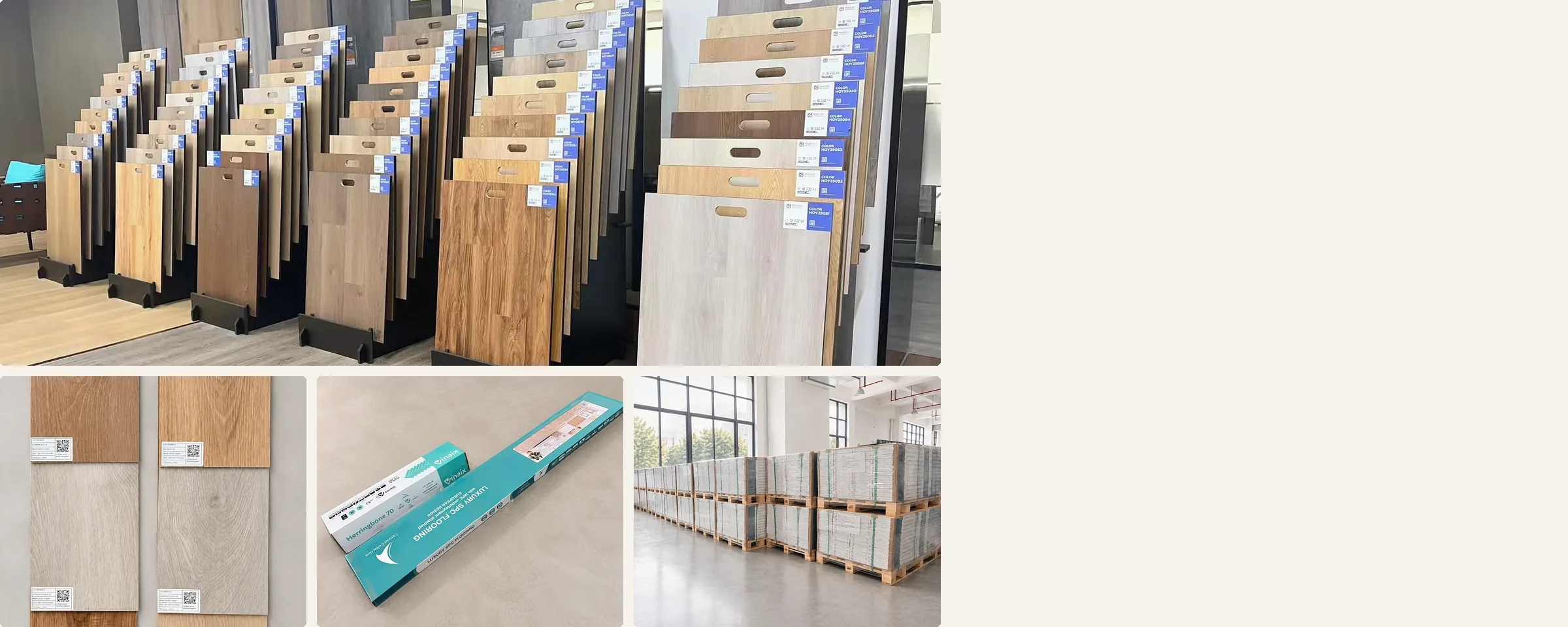
- Brand and collection name
- Carton artwork and marks
- Labels and barcode data
- Sample board or display brief
- Installation guide responsibility
- Final pre-production approval
- Standard SKU, existing décor
- From 800 m² per design / colour
- Custom colour or OEM design
- From 2,200 m²
- Production
- Typically 35–40 days after order and specification confirmation
- Shipping terms
- FOB Shanghai
- Samples
- Standard samples free; normally 7–14 days; courier paid by the buyer and refunded against a later formal order
Final MOQ, timing and sample arrangement are confirmed in the quotation, because construction, colour count, packaging and approval work can change the plan.
Popular Dryback LVT buying questions
Category-level answers. The TDS of the selected SKU holds the figures for each build.
What is Dryback LVT?
“Dryback LVT” and “glue-down LVT” name the same installation category. Neither term identifies a thickness, wear layer or class.
Which thickness should I compare?
The wear layer is inside the total thickness. A 2.5 mm plank with 0.55 mm wear layer and a 3.0 mm plank with 0.55 mm wear layer are different builds with different TDS.
What is needed before choosing the adhesive?
The final adhesive belongs to the approved flooring-and-adhesive system for the project. See the installation checks.
Can I order 200 m²?
Custom colour or OEM development starts from 2,200 m². For evaluation, request samples first; standard samples are free and the courier is paid by the buyer.
Does glue-down need a flatter subfloor than click?
Skim and prime the subfloor to the adhesive maker’s instruction, and run the moisture test it calls for, before the adhesive goes down.