• FOB Shanghai by default
  • MOQ confirmed by product & colour
  • Technical data sheet for every SKU
Concrete-effect designs · Rigid core click

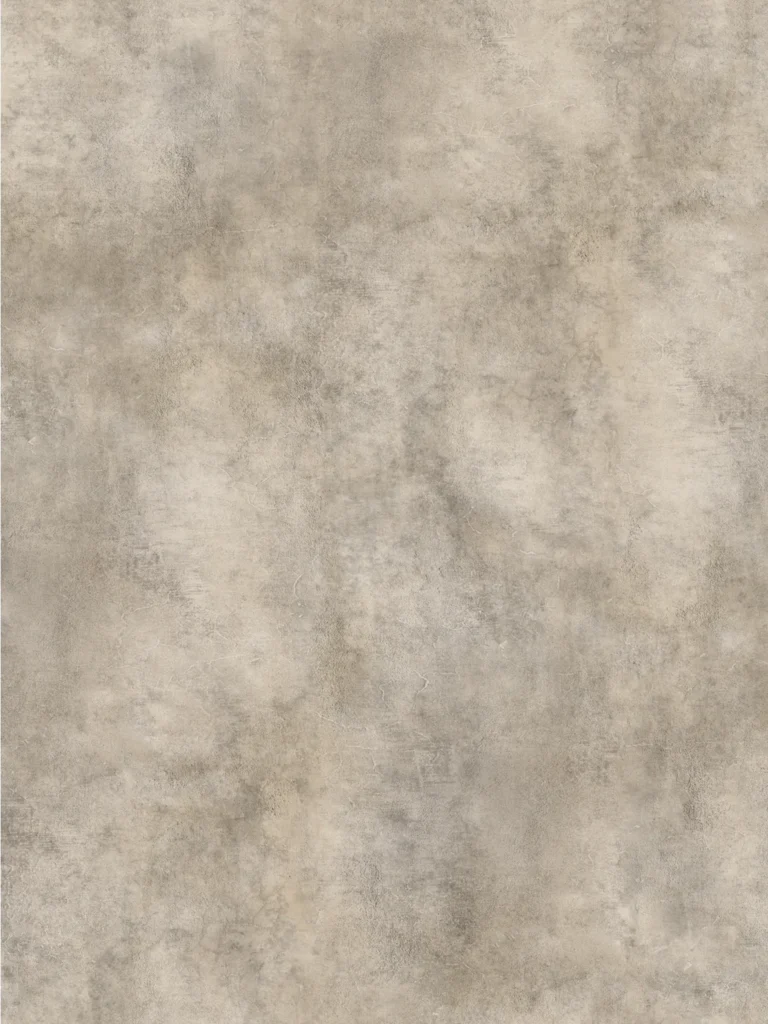
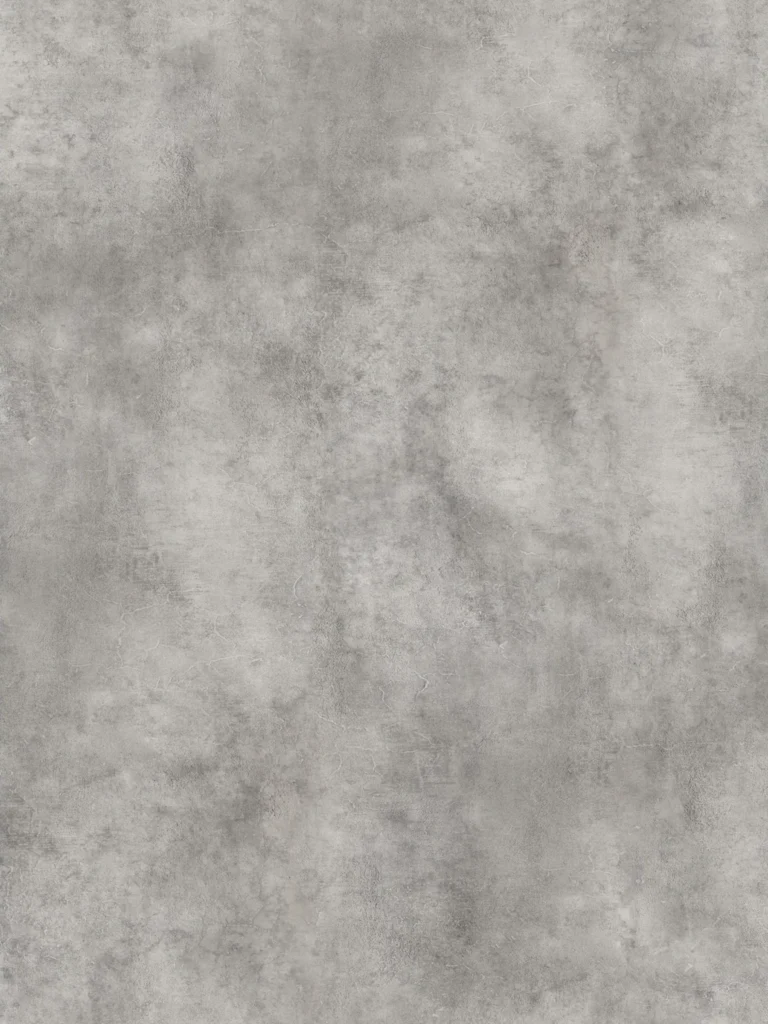
Micro Cement Look
SPC Vinyl Flooring

A printed mineral appearance on rigid SPC flooring, supplied as click-jointed pieces for B2B ranges and project briefs.

Choose the tone, surface and visible joint together. This is a factory-finished vinyl floor, rather than an applied cement coating.
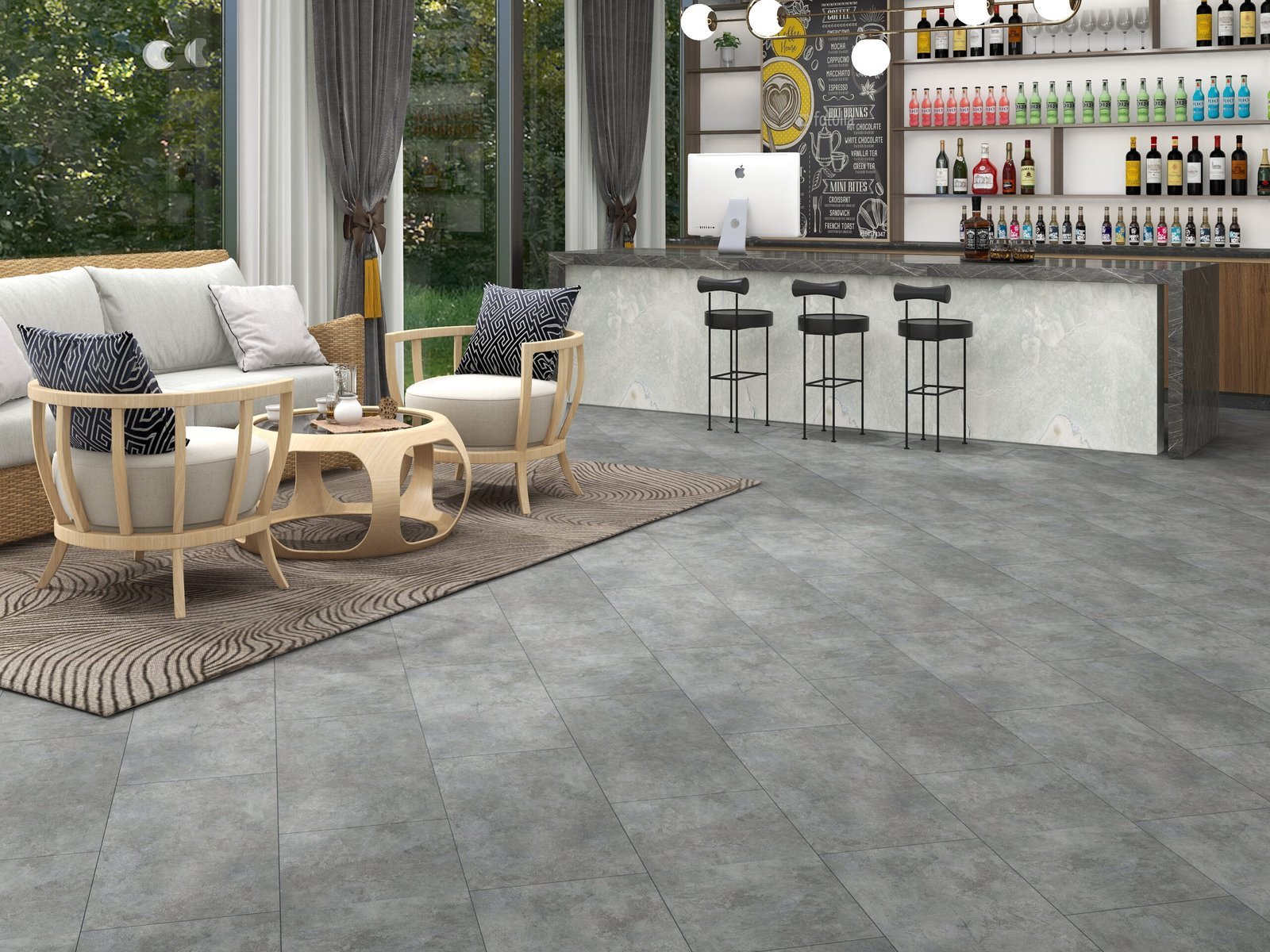
Interior design reference showing grey micro cement look tiles with visible joints in a lounge and bar setting
Room-scene reference. Approve the offered décor, surface and joint on physical samples.
What to review

A mineral look.
A visible tile joint.

Printed SPC is assembled piece by piece. Review the joint, repeated print and physical surface together before approving the floor.

Joint
Compare joined samples in the proposed format and laying direction.
Repeat
Use the full design plan and assembly view to inspect the printed pattern.
Surface
Review texture and gloss under the intended lighting using a physical sample.
SPC flooring layer construction reference diagram
Construction reference only. The diagram does not declare dimensions or performance for every offered product.
Define the proposed product

Keep the décor code.
Add the build you need.

A useful quotation identifies the finished floor, not only the colour. State the board and attached pad separately, then match the complete SKU specification.

Construction
Rigid SPC core with click installation
Board & wear layer
Requested board thickness and wear layer in mm
Format
Width × length, laying direction and required joint appearance
Surface
Proposed Coral texture, gloss and physical sample reference
Backing
IXPE or EVA where selected; material and pad thickness
Order context
Quantity per décor, application, destination and document checklist
Compare SPC constructions →
Finish options

Refine the finished sample.

Compare surface and edge first. Add the backing and locking requirements to the same product brief.

Surface & edgeCoral texture · joint appearance
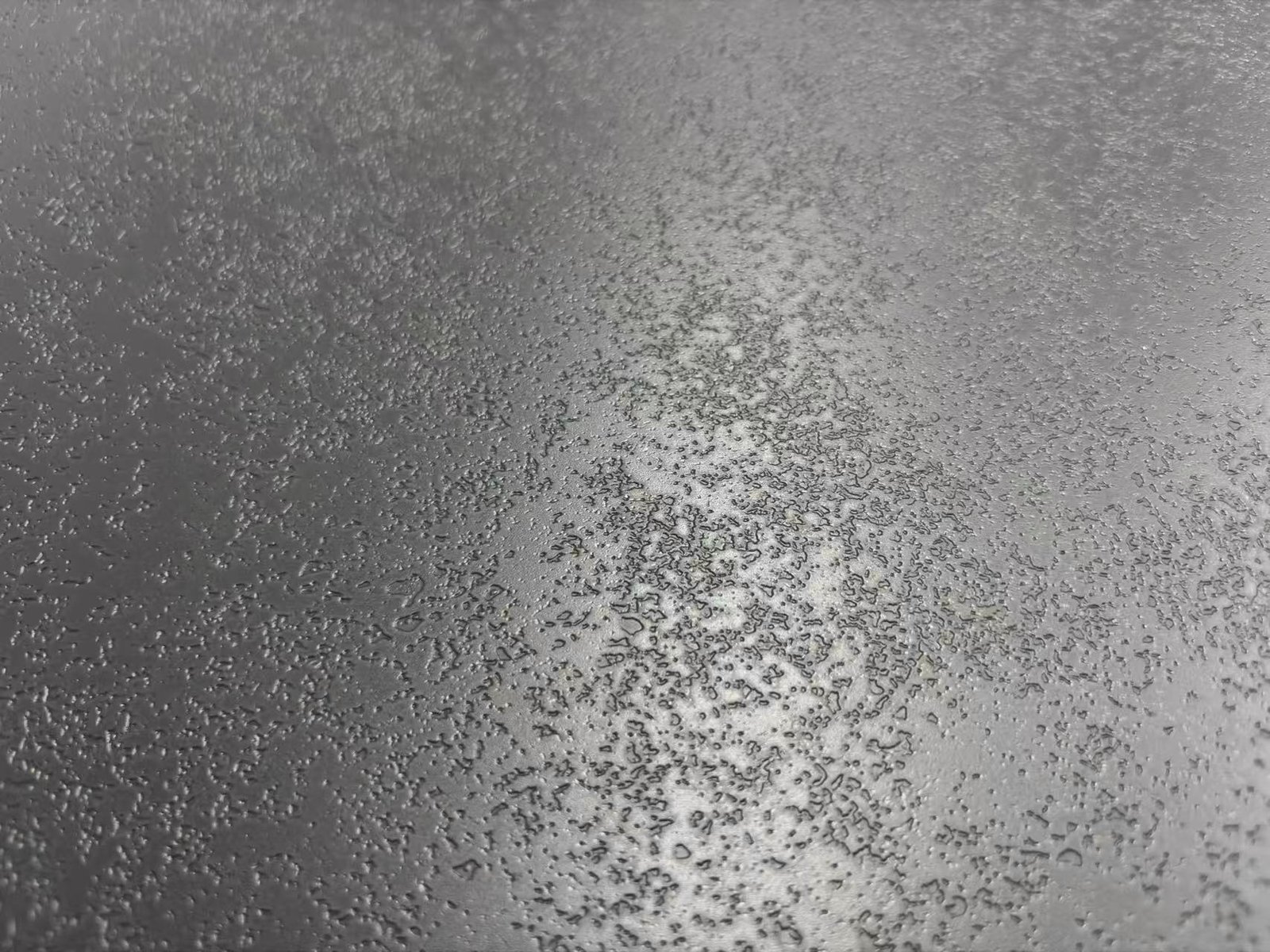
Coral texture surface reference
Coral texture reference · open the image for a closer view.

Surface and gloss

Review the relief under side lighting and inspect the finish under the intended room lighting. Texture alone does not establish a slip rating.
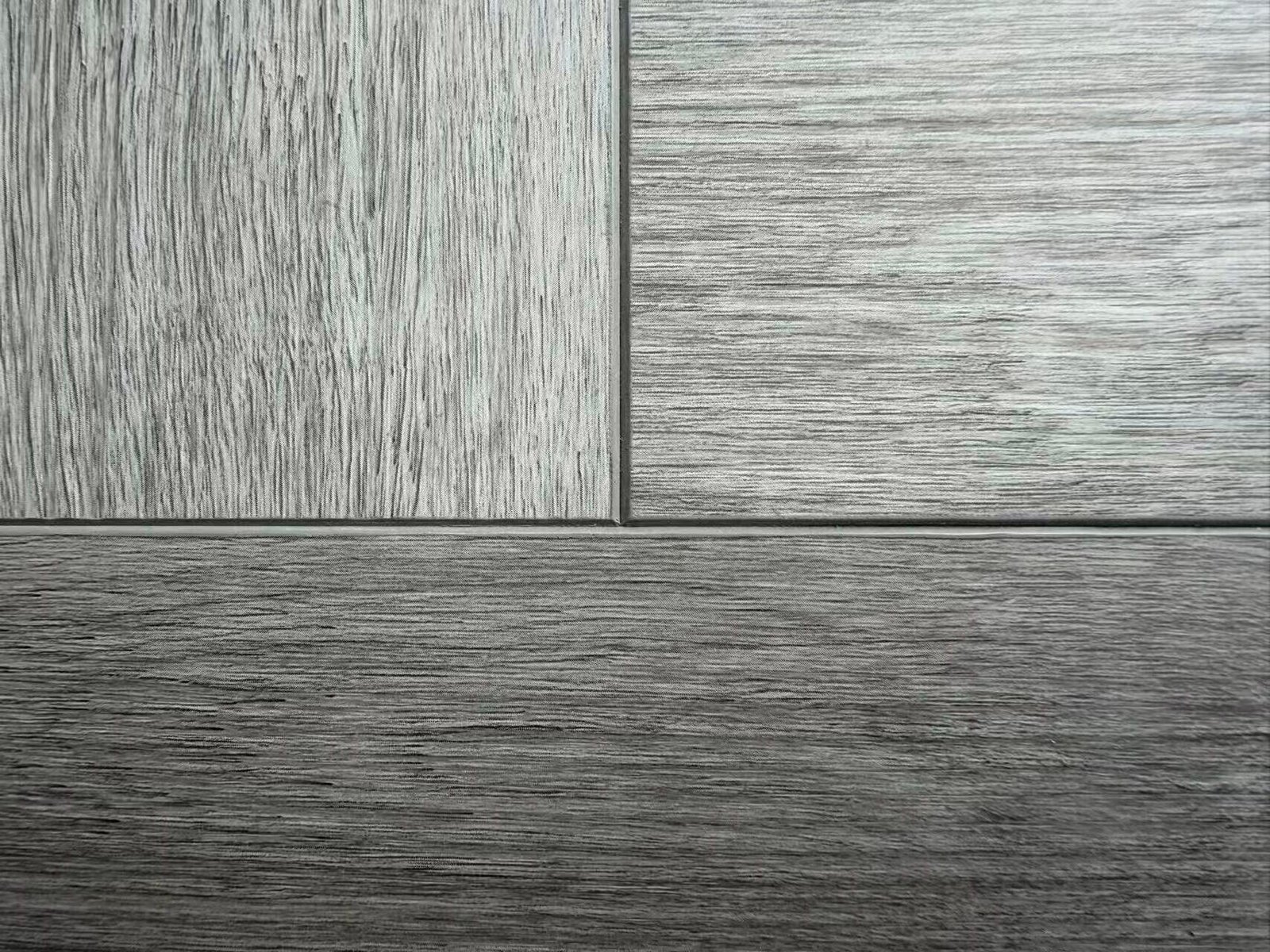
Printed bevel edge reference shown on a wood-look floor
Printed-bevel reference on a wood-look sample. Approve the edge separately on the mineral décor.

Edge and layout

Compare joined samples in the proposed format. The bevel and joint line affect the overall appearance as much as the printed tone.

No bevelMicro bevelPrinted bevel
Attached backingIXPE · EVA
Attached backing

Specify the pad with the board.

Pad thickness is one part of the finished build. It does not establish acoustic performance or allow substitution between tested assemblies.
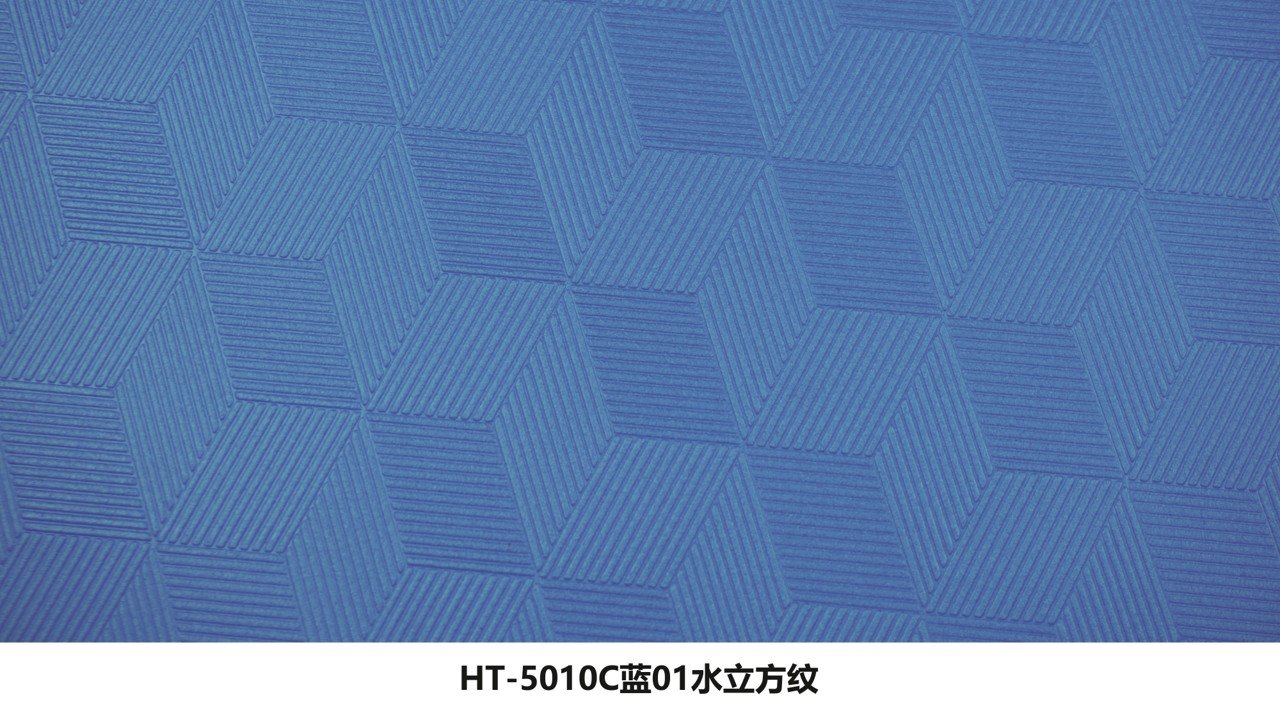
Blue IXPE backing pad reference

IXPE

Pad thickness: 1.0 / 1.5 / 2.0 mm

Foam expansion: 7.5× / 10× / 15×

EVA backing pad reference

EVA

Pad thickness: 1.0 / 1.5 / 2.0 mm

Select material and thickness for the offered SPC build.

IXPE foam expansion ratio is not density in kg/m³ or a sound rating. Identify the available pad combination for the SKU and review matching assembly evidence where sound performance is specified.

Locking systemProfile & installation

Unilin locking technology brand reference

Match the locking system.

The locking profile, applicable documentation and installation instructions belong to the offered SKU. Identify them before sample and packaging approval.

Project checks

Match the evidence
to the proposed floor.
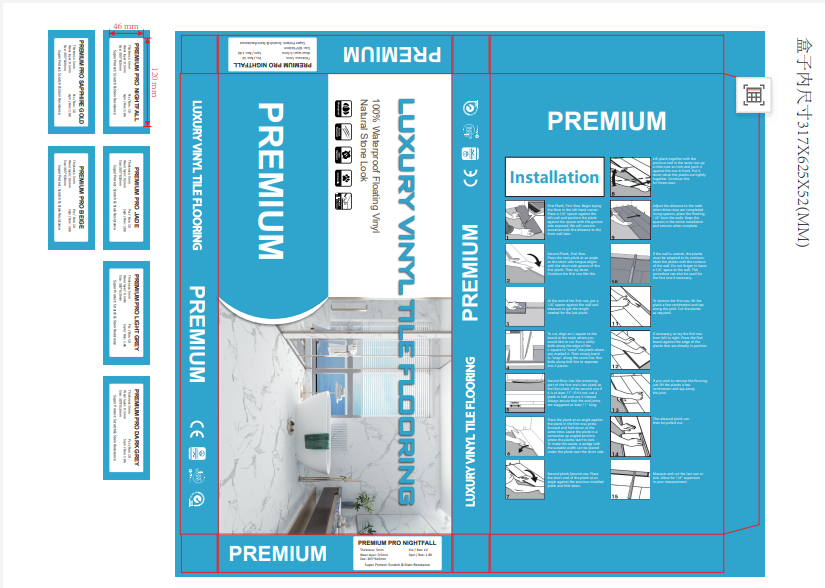
Ecoflors OEM design and packaging reference for vinyl flooring
Branding reference. Agree the actual components and artwork for the order.
OEM & private label

An approved sample.
A consistent brand brief.

Connect the décor and complete SPC build with the carton marks, labels, sample boards and required product information.

For a colour beyond the published references, send a physical colour sample with the target finish, construction, quantity and market for a development review. Approve the proposed match in hand; product and artwork approvals are separate decisions.

View OEM & private-label planning →
Buyer questions

Clear answers.
A better prepared enquiry.

Start with appearance and samples, then review the build, project evidence and order details.

Appearance & samples

Will this create a joint-free microcement floor?
No. It is a printed cement-effect design on factory-made SPC pieces joined by a click system. The tile boundaries remain part of the appearance. Applied microcement is a different coating system, which also has its own substrate and movement-joint requirements.
Can I request a colour beyond the published references?
Yes, you can submit a colour-development request. Send a physical colour sample or reference, target surface and gloss, proposed build, quantity and destination. Development feasibility and sample approval are separate from choosing an existing published décor.
How should we approve colour and repeat orders?
Review several physical pieces under the intended lighting. Inspect tone, tonal movement, repeat, surface and joined edges together. Retain a labelled approved sample and agree batch-review requirements; screen colour or a shared code does not guarantee an identical later batch.

Product & project requirements

Which thickness, wear layer and format should we specify?
State the required board thickness, wear layer and width × length, then identify any attached pad separately. Choose the build against the application, floor-height constraints and required evidence. The published décor is not a universal product specification for every format or thickness.
Can it be specified for wet areas or underfloor heating?
Review the actual SKU and installation instructions for the proposed location and heating system. Check the documented thermal and installation conditions, wet-area detailing and slip requirement. A water-resistant board does not make the complete floor watertight; a cement visual does not establish heating suitability.
What backing options and acoustic results are available?
IXPE and EVA pad thickness options are 1.0, 1.5 and 2.0 mm. IXPE foam expansion options are 7.5×, 10× and 15×, with the offered combination identified for the build. Expansion ratio is not density or a sound rating. ΔLw is expressed in dB; IIC and STC are rating numbers and cannot be substituted for ΔLw.
Which compliance documents should our project request?
Send the destination market and the tender checklist. Market-entry declarations and marking are separate from fire, slip, indoor-emissions and acoustic evidence. Review the product, surface, backing and installation scope of the matching documents; no grade is established by the décor appearance.

Ordering & private label

What is the MOQ, and can several décors share a container?
Existing SPC/LVT programme starting points are 800 m² per design or colour; custom colour or OEM development starts at 2,200 m². Check applicability to the selected micro cement décor and build. A mixed-container review needs the quantity per design and the complete packing plan, not just a total area.
Are samples free, and who pays the courier cost?
Standard samples are free. Buyers who have not placed a formal order pay the courier cost, credited in a later formal order. Existing customers receive the agreed new-sample and courier-cost exemption for shipments up to 10 kg after eligibility is checked. The sample request page explains delivery arrangements.
What is needed for packing, timing and private-label quotations?
Send the product build, format, quantity per décor, destination, target timing and packaging brief. Request pieces and area per carton, net and gross weights, pallet arrangement and volume. Container loading depends on weight, volume and route limits. Production timing, artwork approval and document responsibilities belong in the order proposal.
1