
Dryback LVT Flooring for Importers, Distributors & Project Buyers
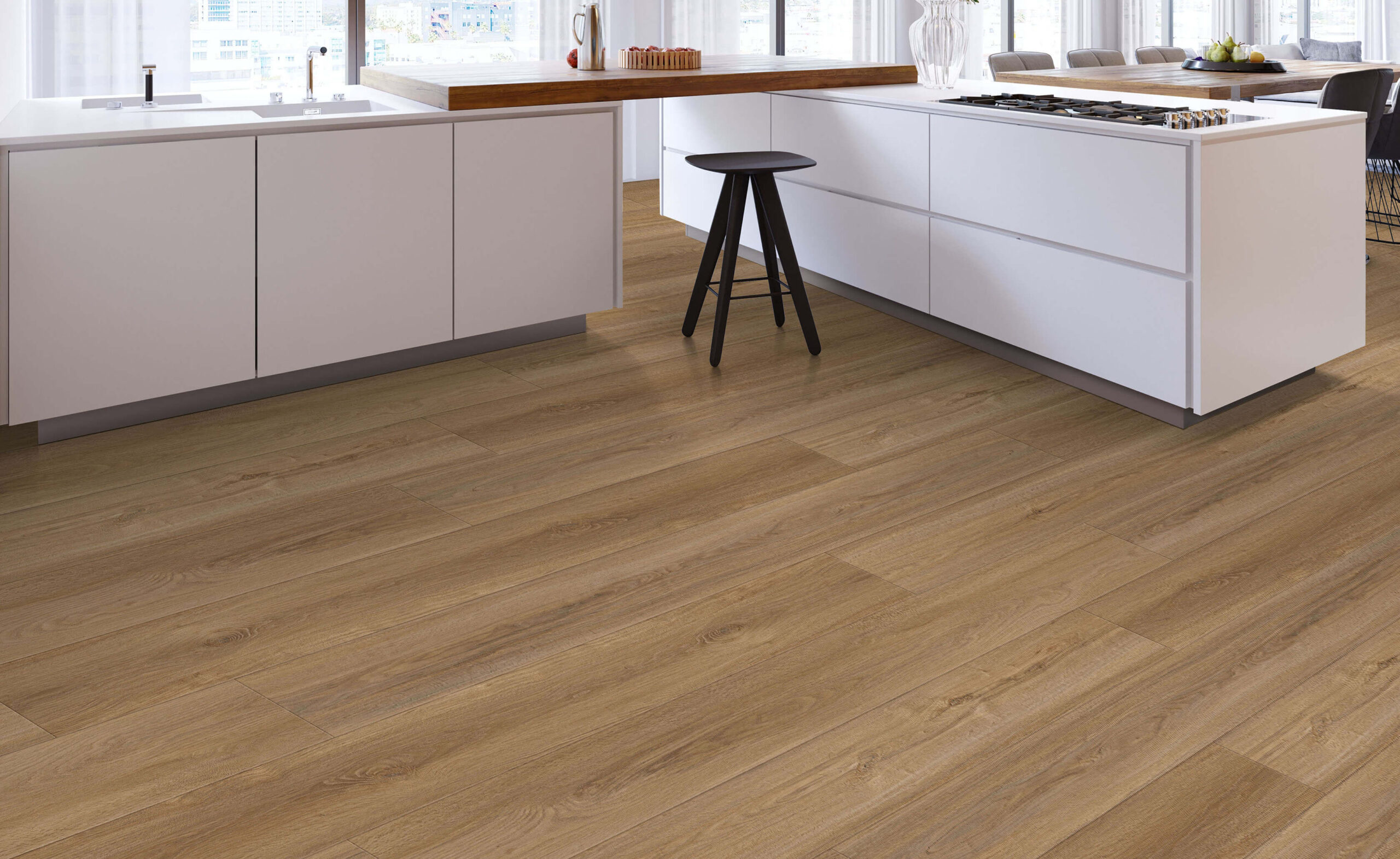
Dryback LVT is flexible vinyl plank or tile installed with full-spread adhesive over a prepared subfloor. Use this Hub to compare current 2 mm, 2.5 mm and 3 mm programmes before moving to the exact product specification.
- 2 / 2.5 / 3 mm programmes
- Glue-down installation
- Plank and tile routes
- Documents matched by SKU
- Current programme range
- 2–3 mm
- Installation route
- Glue-down
- Standard programme MOQ
- From 800 m²
- Production networkMain production in Jiaxing, with selected partner processes mainly in the Changzhou area.
- Build before priceThickness, wear layer, format and intended use are confirmed before quotation.
- Evidence by SKUReports and declarations are checked against the requested construction and market.
- B2B programmeFor importers, distributors, private labels and project procurement teams.
Four answers before you compare quotations
These are category-level answers. The linked thickness pages hold the detailed specifications for each current programme.
What is Dryback LVT?
It is a flexible luxury vinyl floor bonded to a prepared subfloor with a compatible adhesive system. The finished result depends on the floor build, subfloor preparation, adhesive and site conditions working together.
Is Dryback the same as glue-down LVT?
Yes. Buyers commonly use “Dryback LVT” and “glue-down LVT” for the same installation category. The term does not identify one thickness, wear layer or performance class.
Which thickness should I compare?
Start with the required wear layer, intended traffic, finished floor height, format and documented class. Then compare the current 2 mm, 2.5 mm and 3 mm product pages on the same basis.
What is needed before choosing adhesive?
Share the substrate type, moisture assessment, site conditions, intended use and local installation requirements. Final adhesive selection belongs to the approved flooring-and-adhesive system for the project.
Compare the build first, then open the exact specification
Each card gives only the information needed to choose the next page. Dimensions, packing data and report scope stay with the product build they belong to.
2 mm Dryback LVT
A compact build for buyers working with a 2 mm total thickness requirement.
- Total thickness
- 2.0 mm
- Current wear layer
- 0.30 mm
- Current TDS class
- Class 31
2.5 mm Dryback LVT
For programmes that need a 2.5 mm total build with wear-layer choice by SKU.
- Total thickness
- 2.5 mm
- Current wear layers
- 0.30 / 0.50 / 0.55 mm
- Documented example
- 0.50 mm · Class 32
3 mm Dryback LVT
For buyers comparing 3 mm builds with 0.55 mm or 0.70 mm wear layers.
- Total thickness
- 3.0 mm
- Current wear layers
- 0.55 / 0.70 mm
- Documented example
- 0.70 mm · Class 34
Evidence boundary: a class shown for one documented build does not transfer automatically to another wear layer, size, surface or construction. Request the document set for the exact SKU under review.
What Dryback changes in a flooring project
Installation method affects substrate preparation, site work and future replacement. Compare systems against the actual project rather than total thickness alone.
| Decision | Dryback LVT | SPC click | Loose lay vinyl |
|---|---|---|---|
| How it is installed | Full-spread adhesive over a prepared subfloor. | Click-jointed floating floor; expansion and installation rules apply. | Product-specific loose lay or fixative route; perimeter and area rules vary. |
| Subfloor focus | Smoothness, cleanliness, dryness and adhesive compatibility are central to the finished surface. | Flatness still matters; the rigid click construction changes how the floor is assembled. | Subfloor condition and the selected fixing method still need project review. |
| Floor height | Low-profile builds are available in the current 2–3 mm programme. | Rigid-core click builds are thicker and may include an attached pad. | Check the selected loose lay product specification. |
| Replacement planning | Individual plank or tile replacement requires removal of the bonded piece and adhesive preparation. | Access and replacement depend on the locking layout and room position. | Replacement method depends on the product and fixing plan. |
Read the layers as one approved build
The diagram explains the general Dryback LVT structure. The exact material thicknesses and test coverage must come from the selected SKU’s current technical data sheet.
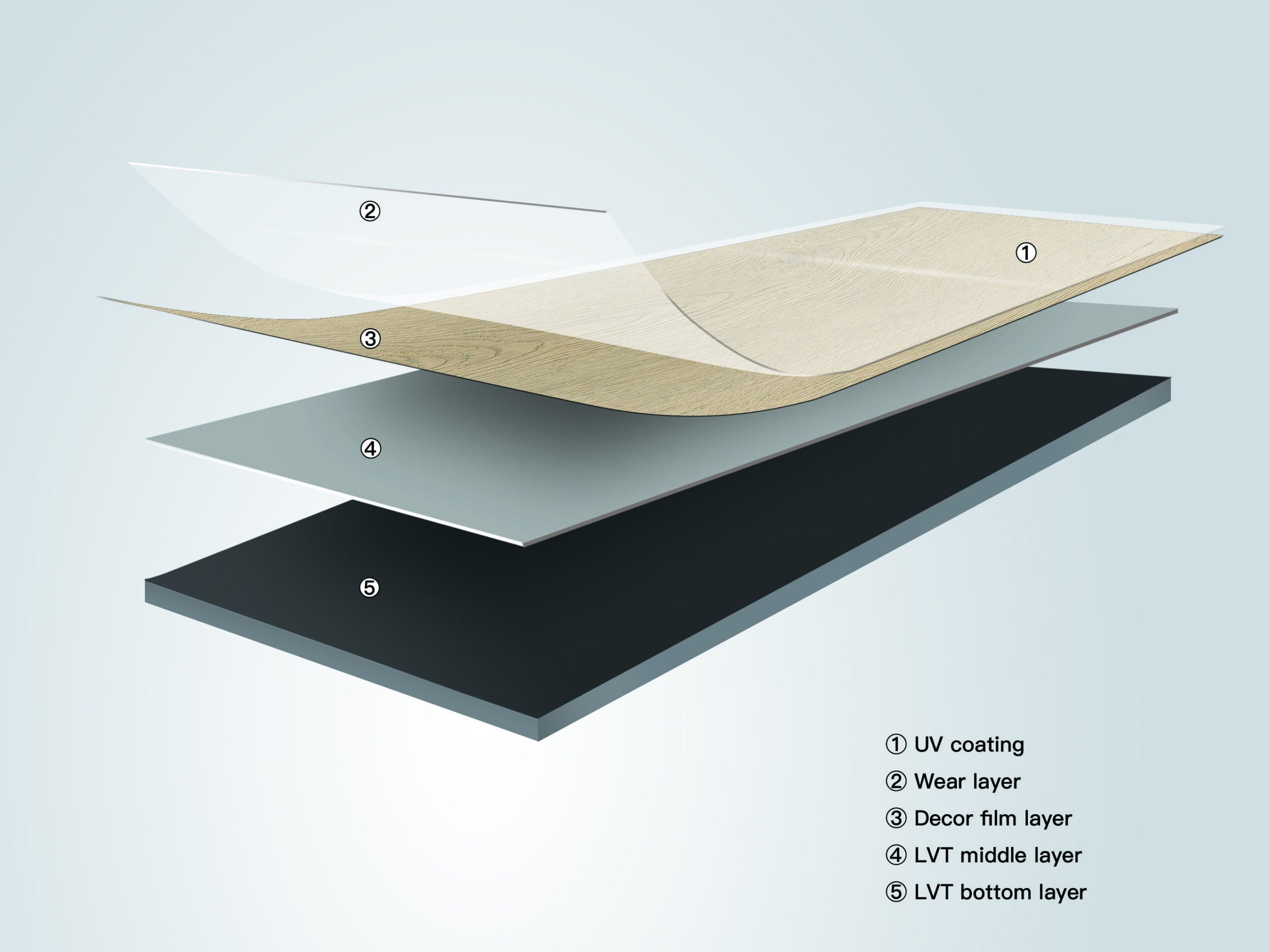
UV coating
Top treatment selected with the surface and finish programme.
Transparent wear layer
The wear-layer option must match the quoted SKU and supporting document.
Printed décor film
Defines the approved wood, stone or other visual direction.
Vinyl core
Provides the main body of the flexible glue-down construction.
Backing layer
Forms the underside prepared for the specified adhesive installation route.
The current documented 2 mm, 2.5 mm and 3 mm pages describe constructions without a fiberglass layer. Confirm this again on the exact quotation and TDS if the build changes.
Define the option set before sample approval
A useful sample request combines the commercial brief with the physical product choices. This reduces comparison based on décor alone.
Format
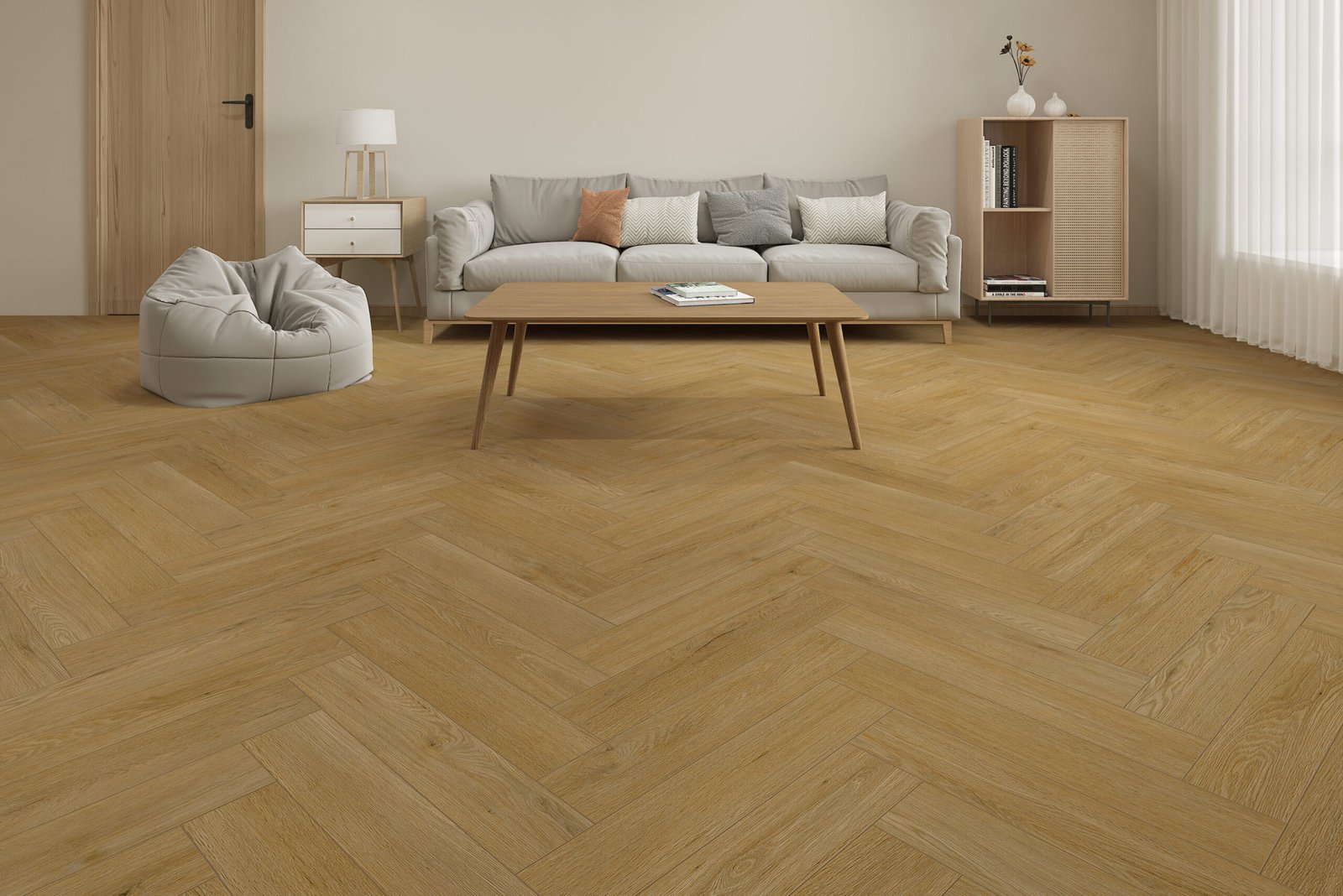
Confirm plank or tile, target dimensions and whether a selected pattern format such as herringbone is required.
Surface
Match the décor with the available surface direction. Natural wood, crystal, stone and selected EIR routes depend on the SKU.
Edge
Confirm straight edge or an available micro-bevel route together with the approved sample.
Finish
Agree colour, gloss direction and treatment requirements before production standards are signed off.
Send a useful selection brief: total thickness, wear layer, size, surface, edge, colour direction, intended market, annual volume and any document requirement. Availability is confirmed against the selected build and approved sample.
Surface texture construction options
Choose the texture together with the décor, gloss direction, wear layer, edge and target channel. The names below describe available surface directions; final availability is confirmed against the selected Dryback LVT build and approved sample.
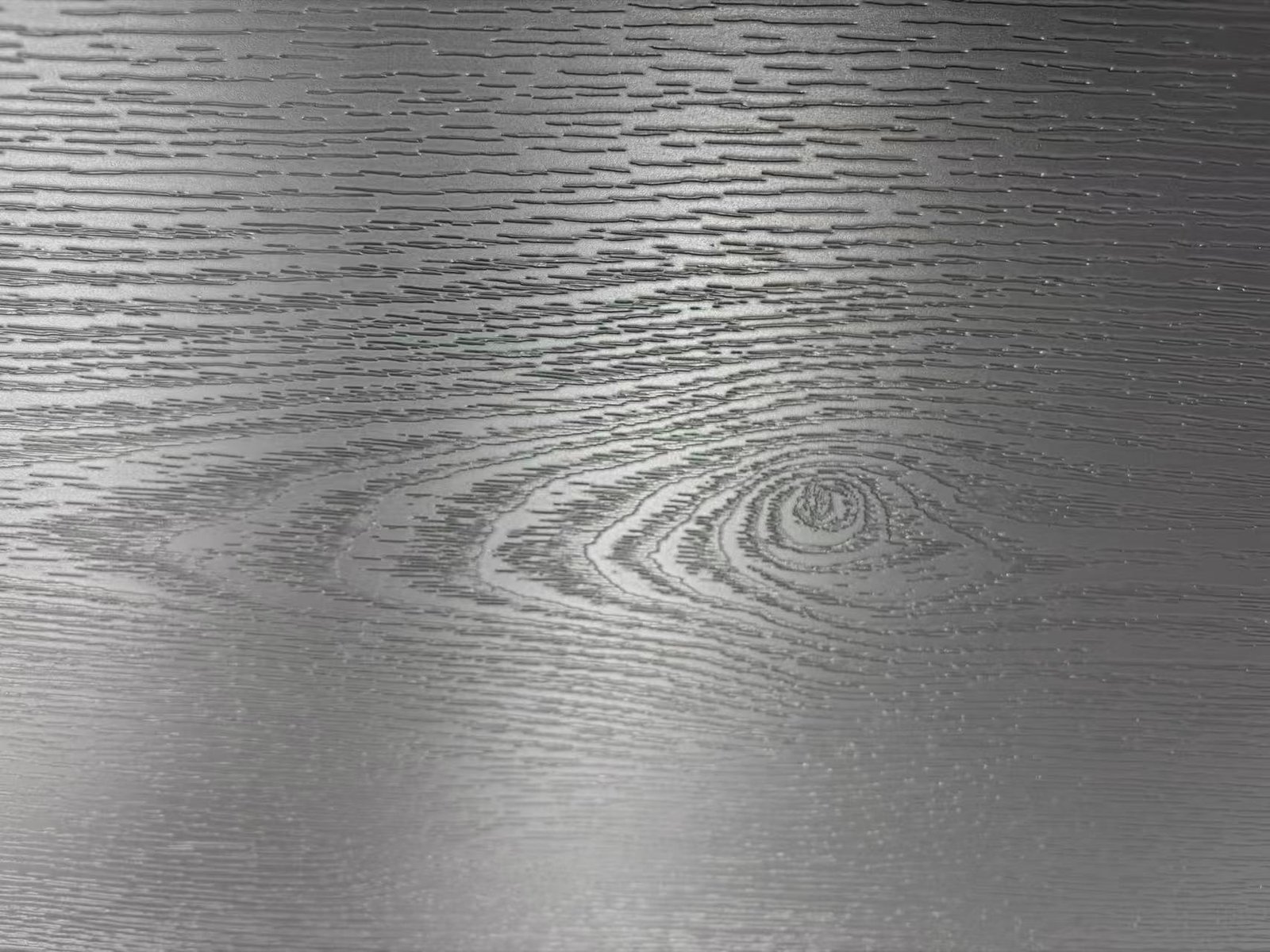
EIR: Embossed in Register
The print and embossing follow the same grain direction for selected wood-look programmes.
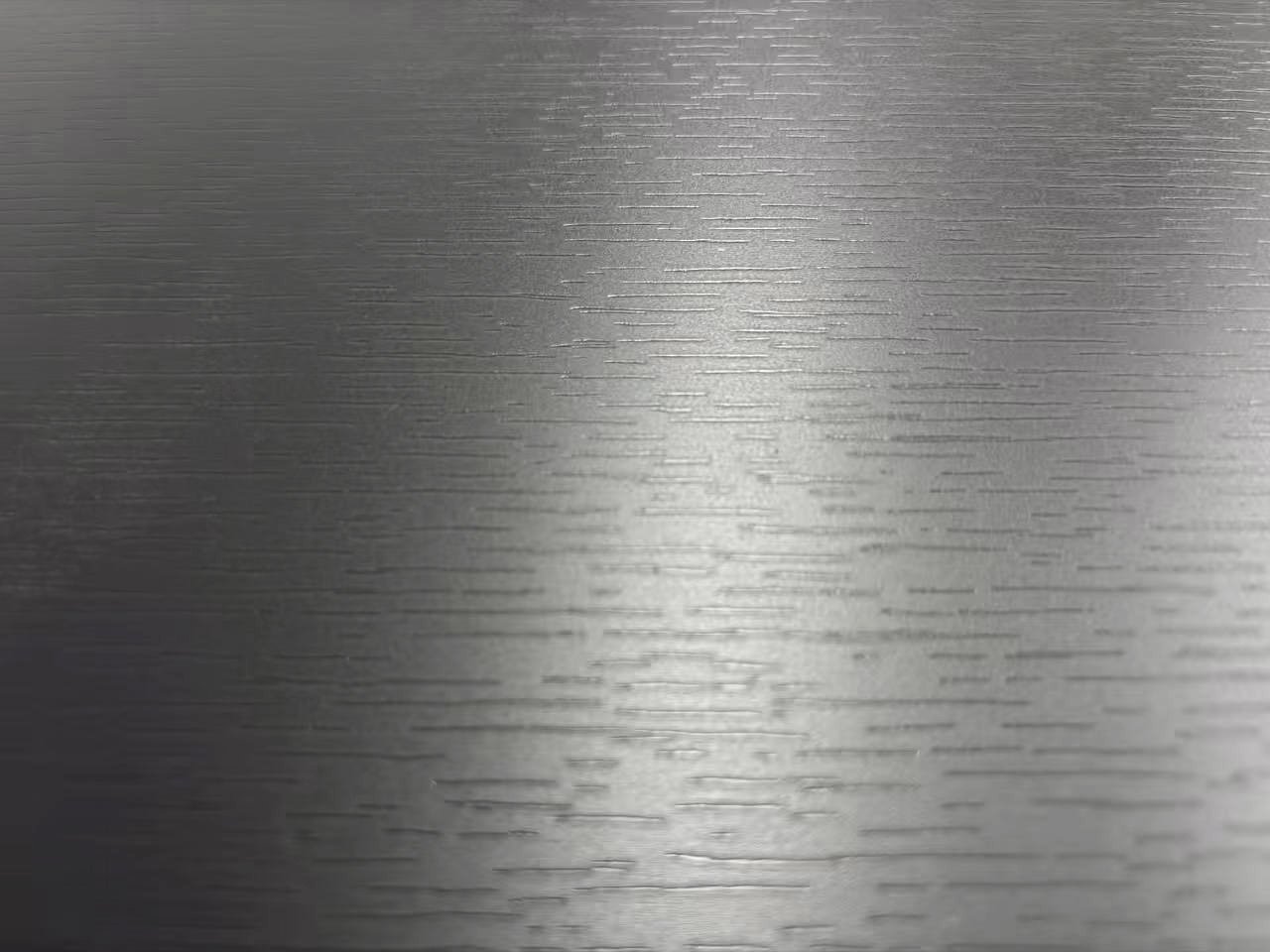
Crystal texture
A clean crystal-style surface direction for modern wood and neutral colour ranges.
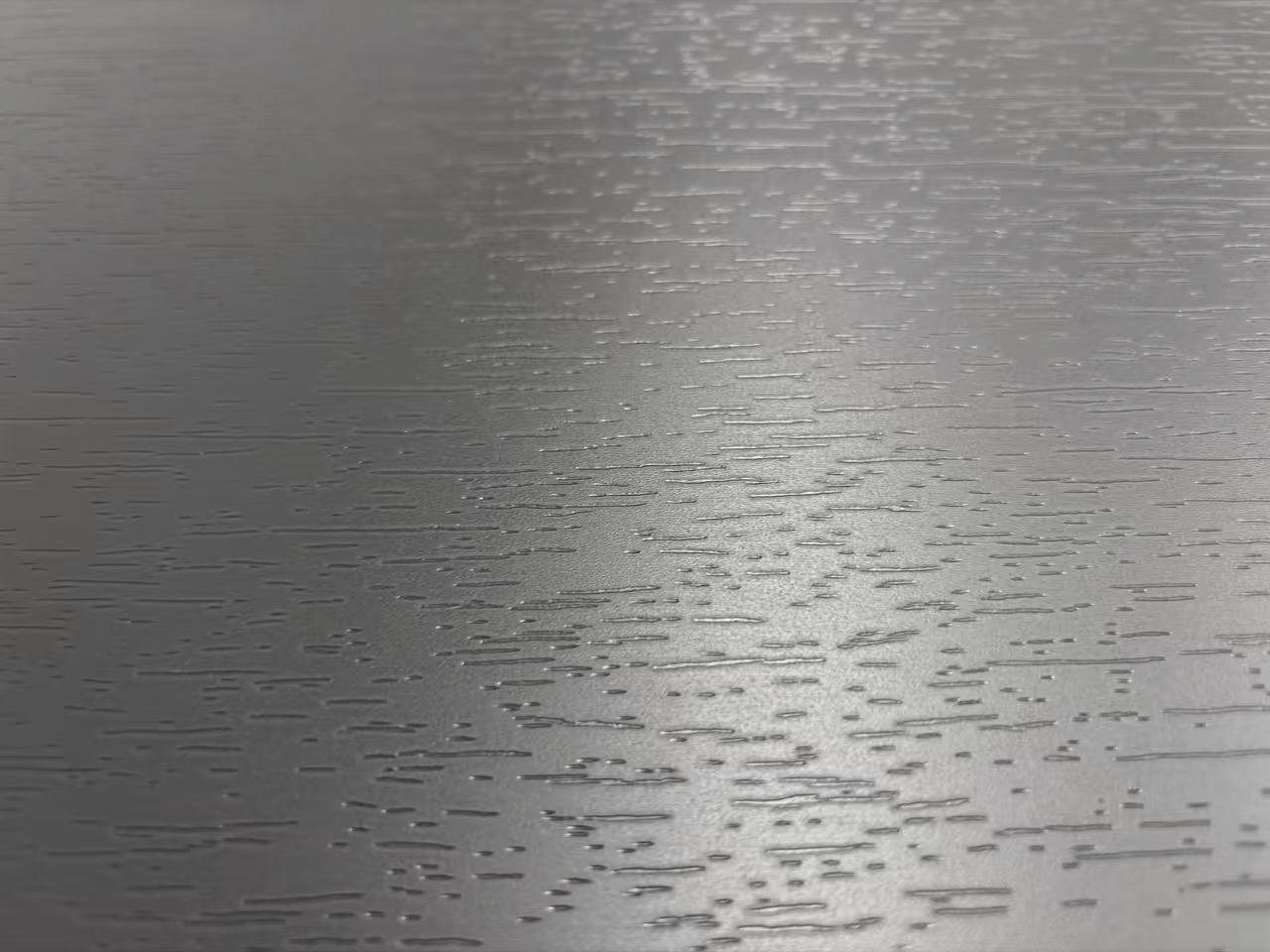
Crystal deep texture
A deeper crystal direction when the range needs a stronger tactile surface.
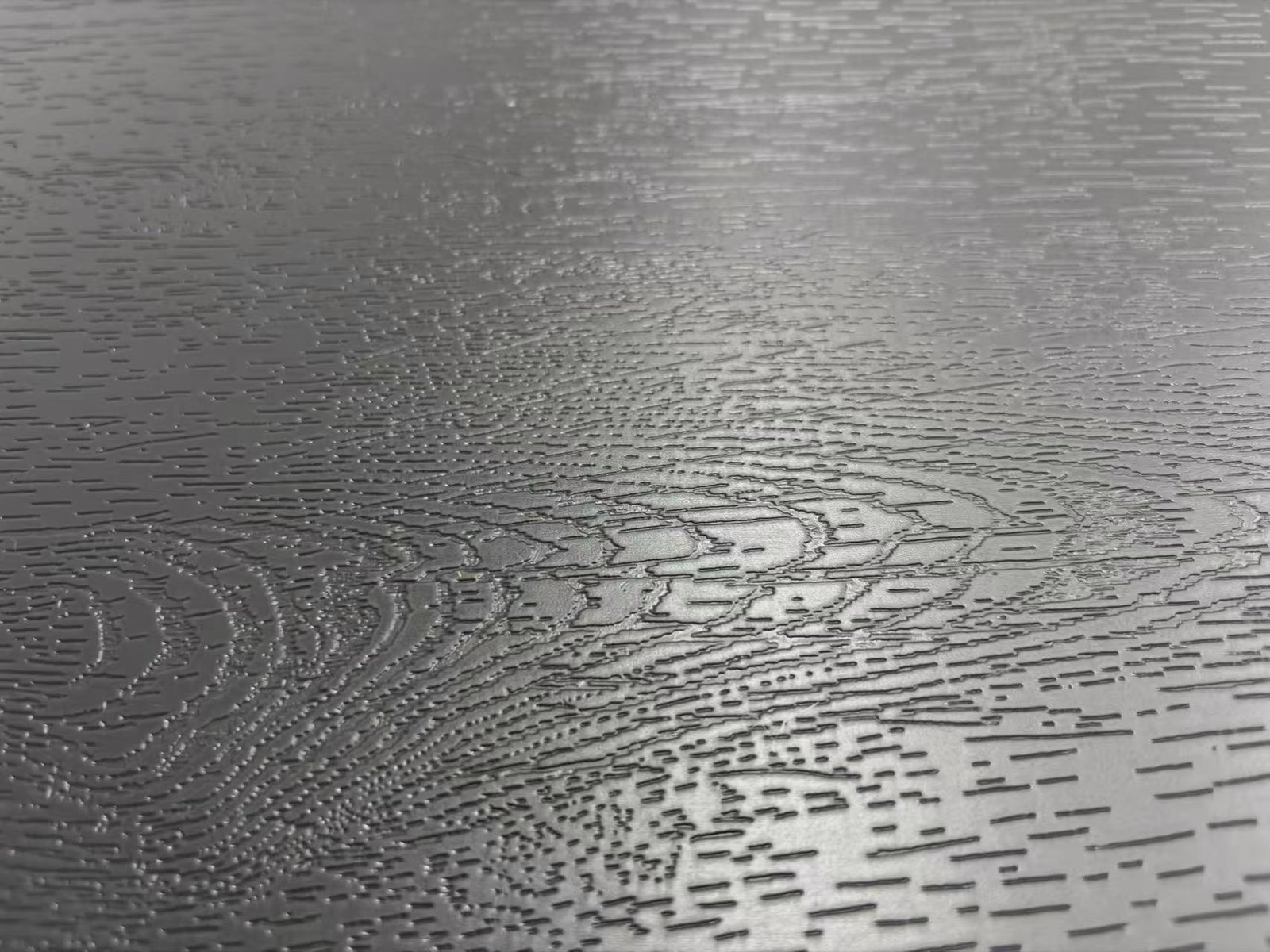
Natural wood texture
A wood-grain direction for oak, walnut and other wood-look collections.
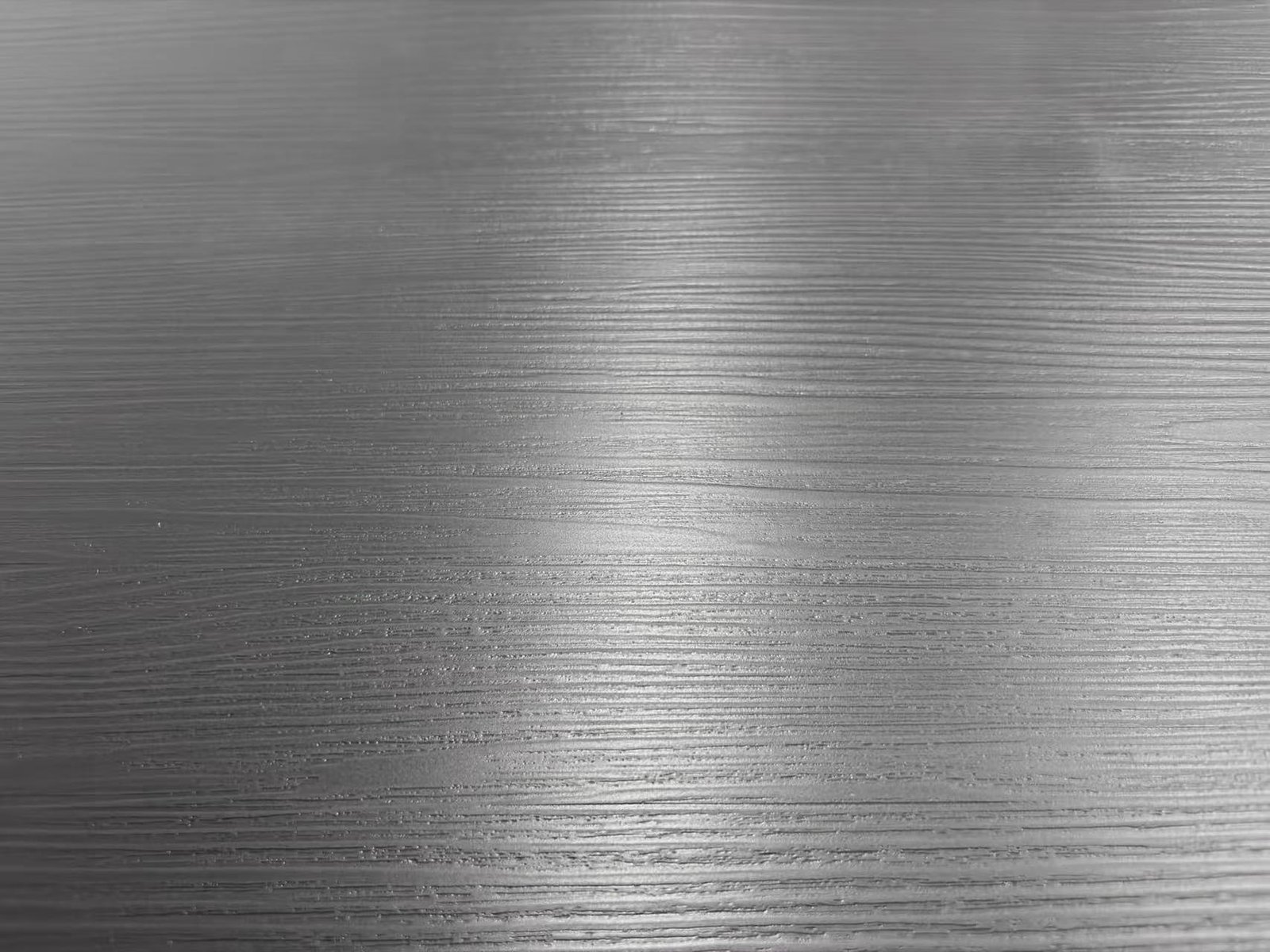
Basic pattern embossed light
A lighter embossed option for ranges that need a restrained surface feel.
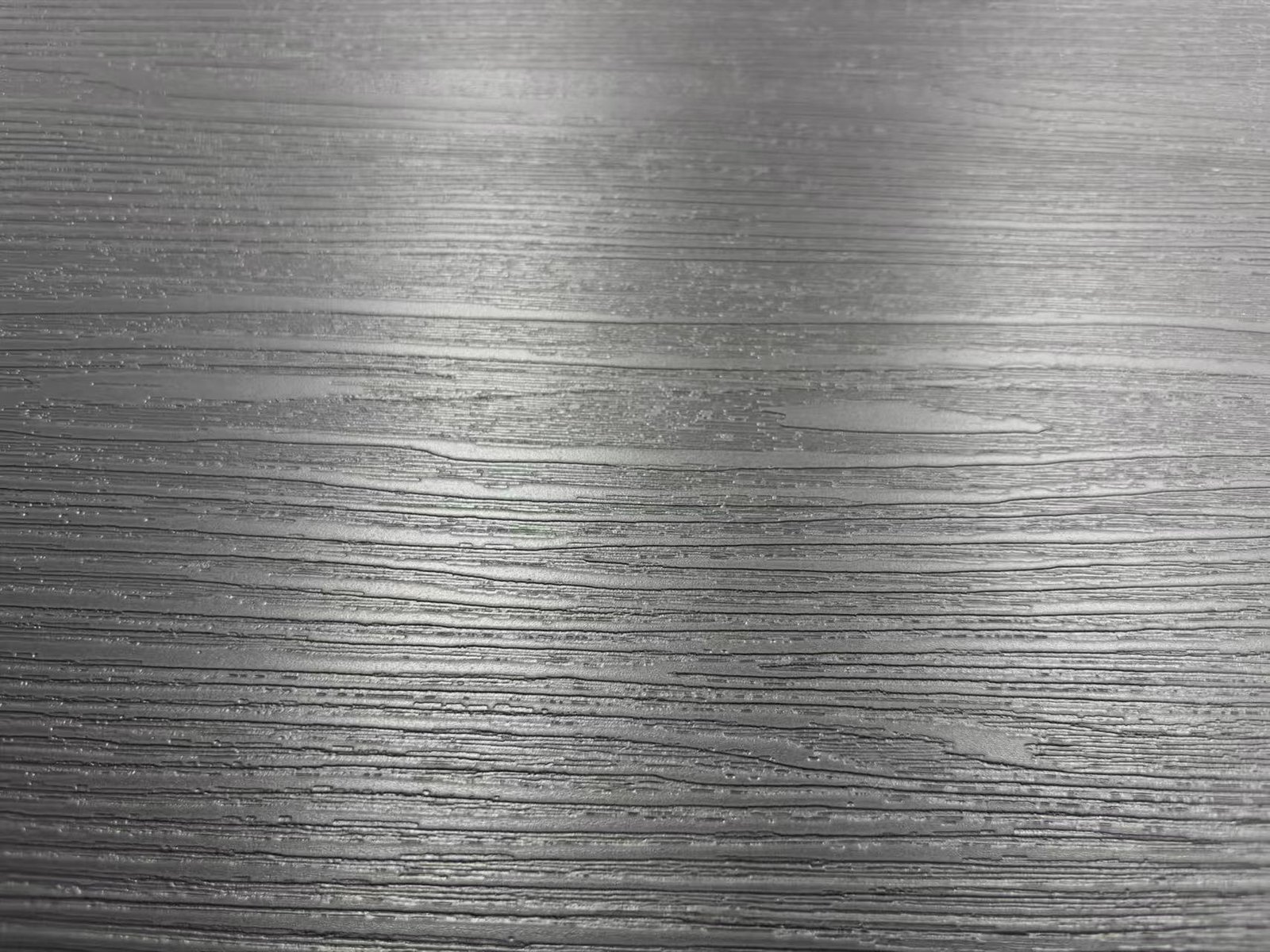
Basic pattern embossed deep
A deeper embossed direction with more visible and tactile surface definition.
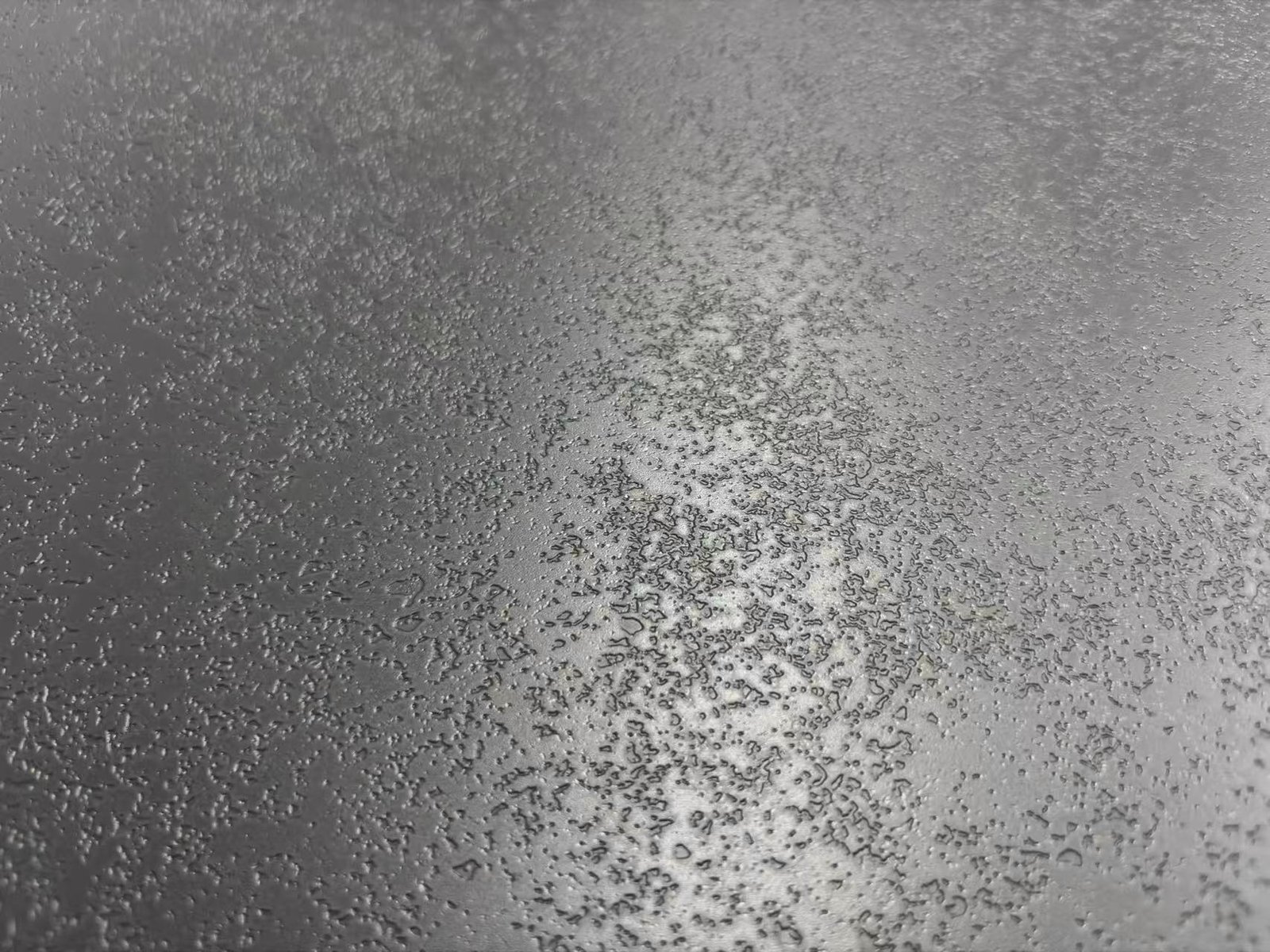
Coral texture
A decorative tactile route for selected designs and buyer channels.
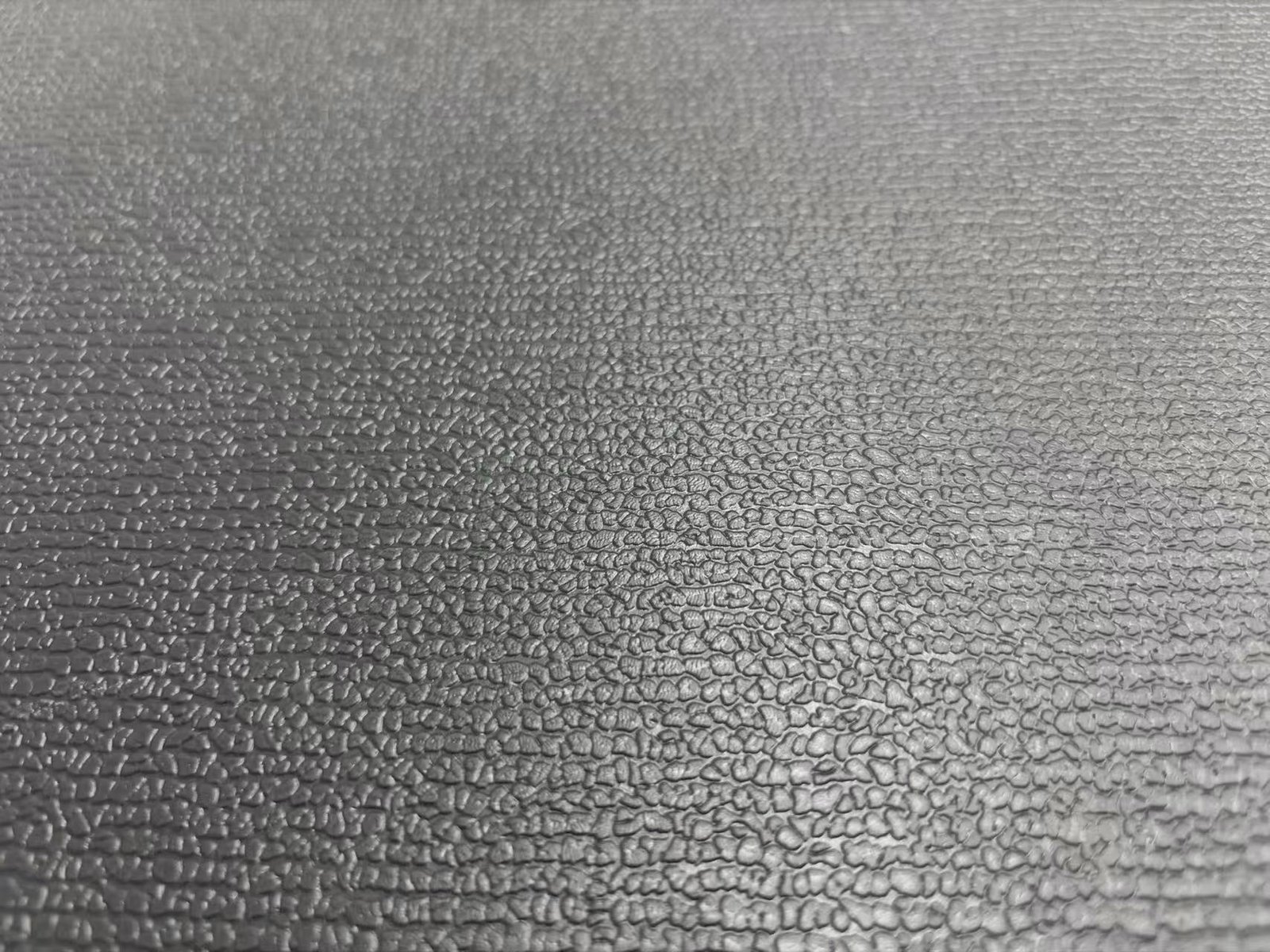
Captal texture
A special texture route that must be matched with the décor, coating and gloss.
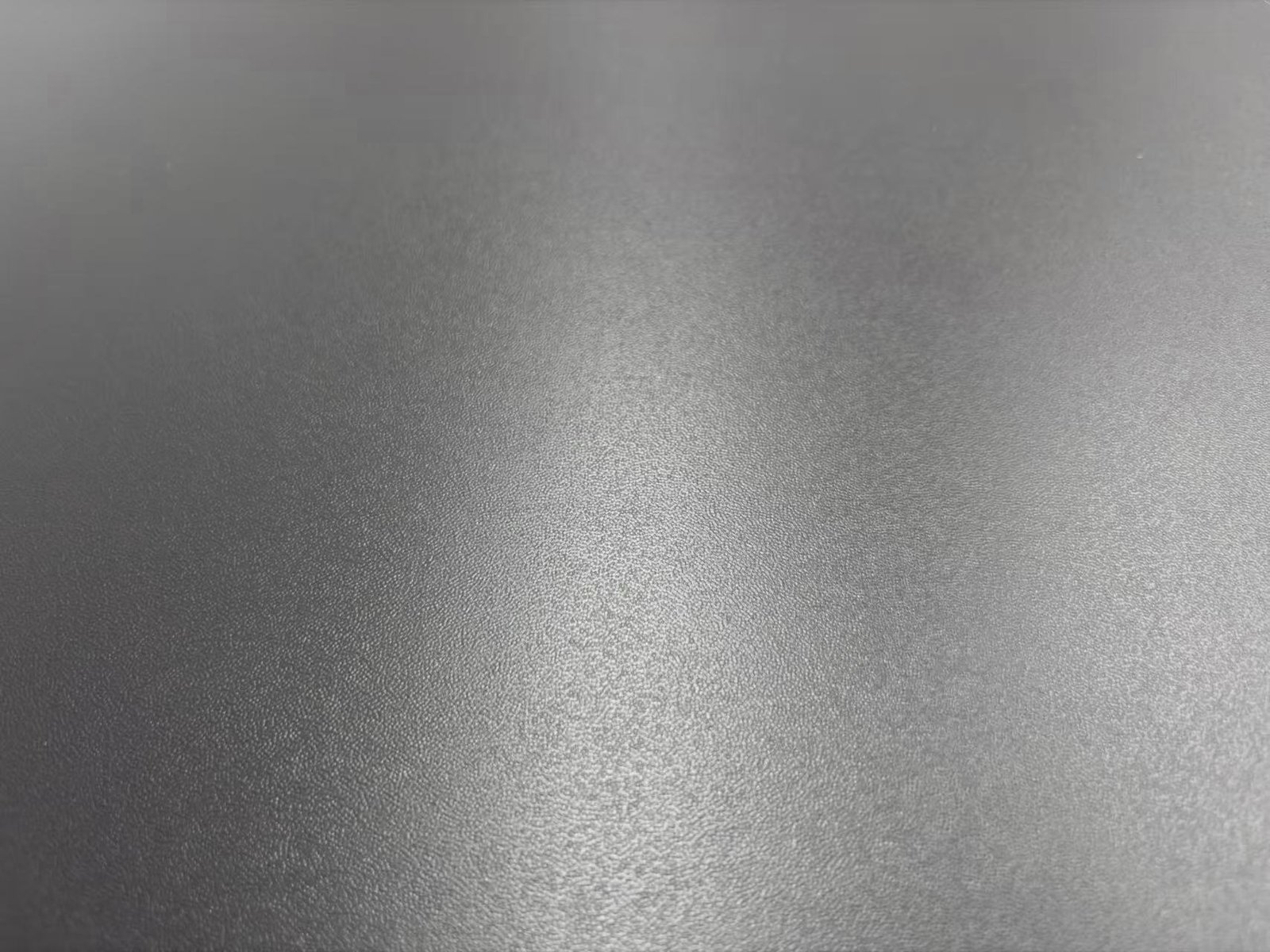
Leather texture
A leather-inspired surface direction for selected commercial or design-led ranges.
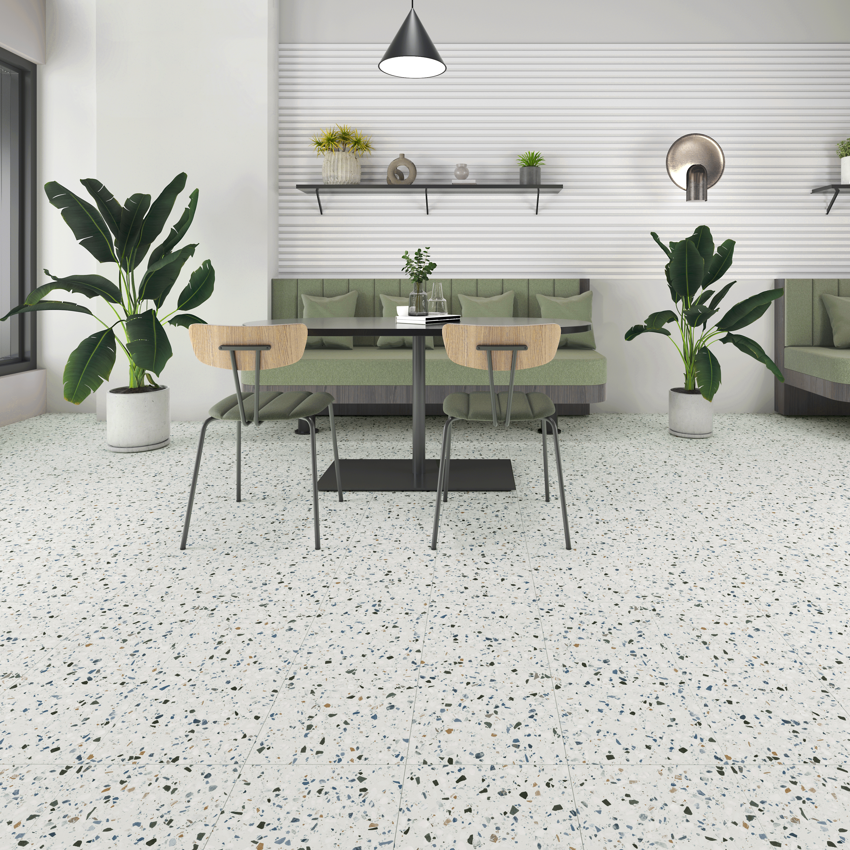
Sample approval: images show the surface direction, not the final colour or guaranteed appearance of every build. Confirm texture, gloss, décor, edge and wear layer together on a physical sample before quotation approval.


Match every document to the quoted construction
A report name alone is not enough. The product description, total thickness, wear layer, size, test standard, issuing body and intended market must fit the SKU being purchased.
Technical data
Confirm the current TDS revision, construction, dimensions, tolerances and declared performance for the selected SKU.
Market documents
State the destination market and requested standard so the applicable declaration or report can be checked before it is listed as available.
Test scope
Review fire, slip, emissions or other reports against the exact sample description and test method instead of extending one result to a complete range.
Packing data
Use approved carton, pallet and loading information for the final size and build when planning an order.
Installation information
Coordinate the flooring instructions with the selected adhesive manufacturer and project substrate requirements.
Import reference
Use HS classification guidance as a reference, then confirm final customs treatment with the importer or broker.
Send the standard and the proposed build if a document is required. We will check which report applies and identify any gap before the requirement is repeated in a quotation.
Four checks that affect a glue-down floor
The flooring supplier, adhesive supplier and installer need one coordinated specification. Fixed moisture, temperature or curing numbers should come from the approved project system.
Subfloor condition
Check flatness, strength, cleanliness and the need for grinding, priming or levelling before installation.
Moisture assessment
Record the substrate and test method, then follow the limits stated by the approved moisture-control and adhesive system.
Adhesive selection
Choose the adhesive for the substrate, flooring, traffic, site conditions and local requirements. Obtain the current application instructions.
Site and handover
Plan acclimation, working conditions, rolling, curing and return to service according to the approved installation method.
Your brand programme starts with an approved product build
Packaging and brand work should follow the same confirmed SKU, market and document responsibility used for the product quotation.
Align the product, sample and sales material
Define the construction first. Then prepare the carton marks, labels, barcode data, sample boards and installation guide around the approved item instead of treating packaging as a separate project.
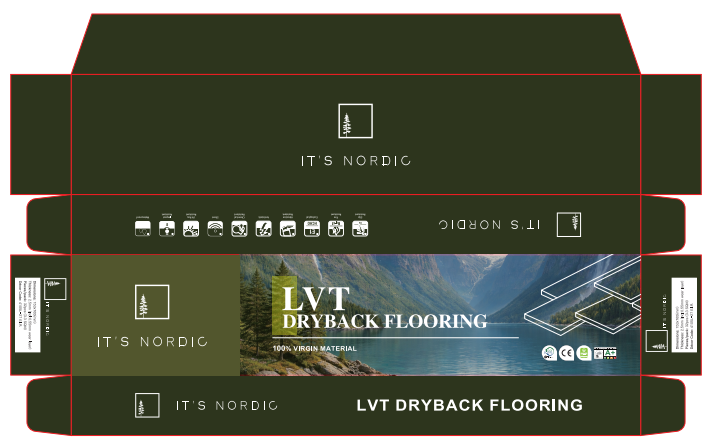
- Brand and collection name
- Carton artwork and marks
- Labels and barcode data
- Sample board or display brief
- Installation guide responsibility
- Final pre-production approval
- Existing programme
- From 800 m² per design / colour
- Custom development
- From 2,200 m²
- Production planning
- Typically 35–40 days after order and specification confirmation
- Samples
- Normally 7–14 days; courier cost by buyer
Final MOQ, timing and sample arrangement are confirmed in the quotation because construction, colour count, packaging and approval work can change the plan.
Continue with the page that owns the next decision
This Hub owns category comparison. The linked pages hold product specifications, installation guidance and evidence boundaries.
Exact Dryback builds
System alternatives
Send the build, market and order brief
A useful first quotation starts with the decisions that change product cost, document scope and production planning.
- Total thickness and wear layer
- Plank or tile size, surface and edge
- Required quantity and number of colours
- Buyer type and intended application
- Destination market and required standards
- Target purchase date
Need to approve the finish first?
Request a sample set with the target build, colour direction, surface and edge. Samples are normally prepared in 7–14 days; courier cost is paid by the buyer.
Request Sample KitRequest a Dryback LVT quotation
If some details are still open, send the intended use, destination and approximate quantity. We can identify which specification decisions remain.
We use the information submitted through this form only to answer your request, check specifications, technical documents and commercial terms, and prepare samples or a quotation when requested. We do not use it for newsletters or marketing without separate consent. See our Privacy Policy. If drawings, specifications or tender documents are needed, we will request them by email after the first contact.
Email: sales@ecoflors.com · WhatsApp: +86 134 8633 9267