
SPC- und LVT-Bodenbeläge für Deutschland, mit Nachweisen pro Konstruktion
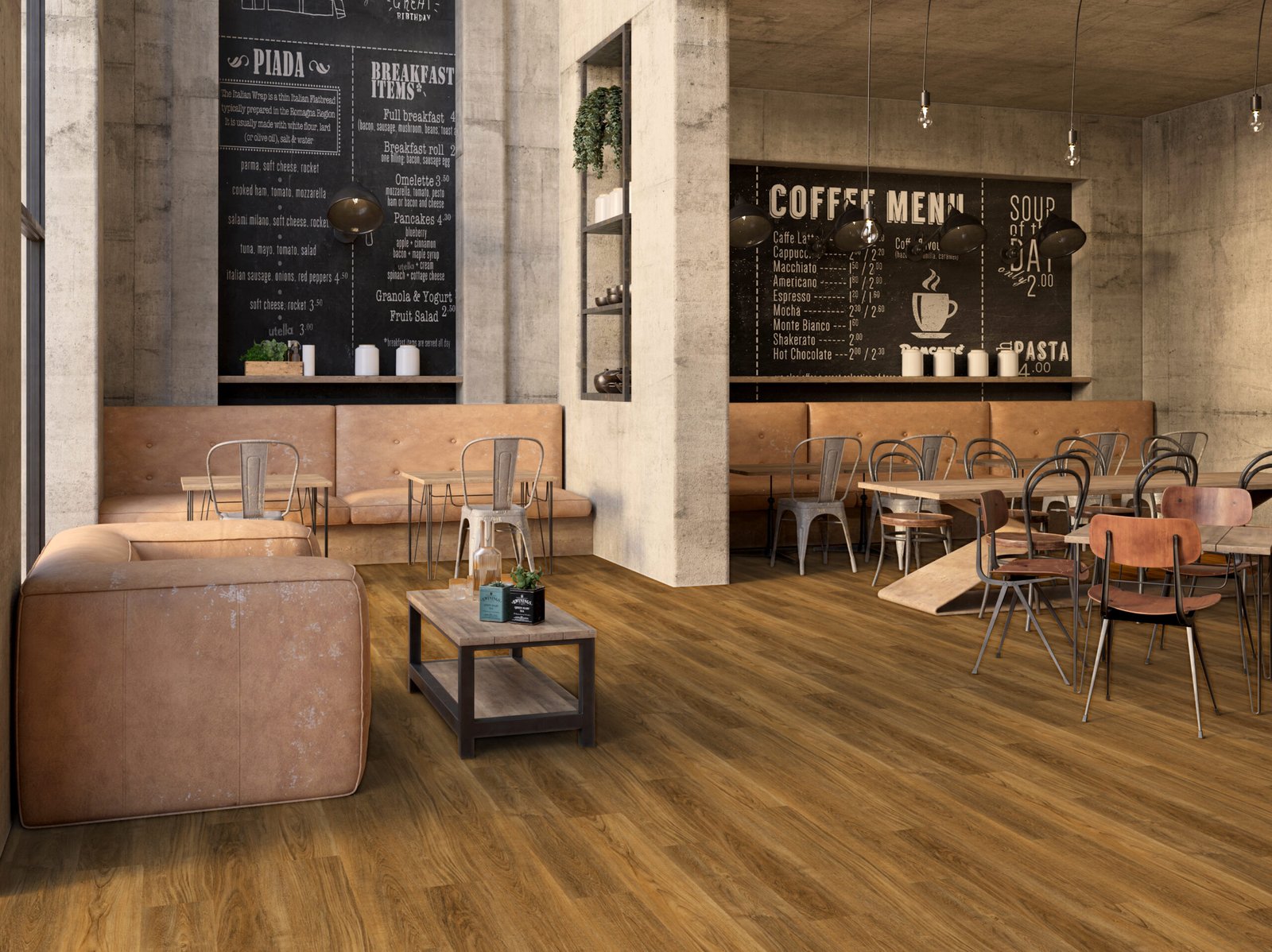
A report covers the construction tested. We confirm which documents apply to your SKU at quotation.
Acht Prüfpunkte für einen Auftrag in Deutschland,
und wo unsere Nachweise stehen.
They are listed by type because different people check them: the market surveillance authority, the fire-safety planner, the employer, the funding body. A report is evidence for the construction tested, so the last two columns separate what we can match from what stays with you.
| Requirement | Type | When it matters | Our evidence | Your side |
|---|---|---|---|---|
| CE marking and DoPEN 14041 · CPR | EU law | Every floor covering placed on the market | Test reports behind the DoP, per product family. PP flooring also has a notified-body certificate for reaction to fire (system 1). | For products made available in Germany, BauPG § 8 sets German as the DoP language. The economic operator who issues the DoP provides it; our documents are in English. |
| Reaction to fireEN 13501-1 | State building codes | The class is set by the state building code, building type, location and the Leistungsverzeichnis. Where schwerentflammbar is required, for example in required stairwells and corridors, floors need Cfl-s1 or better. | Bfl-s1 on the Dryback 3.0 mm datasheet. PP flooring: Bfl-s1 in its CE certificate, loose laid or glued on a non-combustible substrate. Other builds confirmed per SKU. | Check that substrate, adhesive and underlay match the tested end use. |
| Indoor air: ABG and AgBBMVV TB · chamber test at 3 and 28 days | Building law, proven by test | Interiors. Planners and public clients ask for the report. | Chamber-test reports to the AgBB scheme exist for specific tested builds. We confirm per SKU which report covers your construction. | Ask for the report that matches your construction. |
| Slip resistanceASR A1.5 · R classes | Workplace rule | Offices, shops, care and education: the R class follows the room use. | R10 to DIN 51130 on the Dryback 3.0 mm datasheet. Other builds confirmed per SKU. | Tell us the R class your rooms need. |
| Impact soundDIN 4109 · ΔLw | Building law, whole build-up | Apartments and mixed-use buildings | Checked per build against your target. | Send the ΔLw target and the ceiling build-up. |
| Blue AngelDE-UZ 120 · resilient floor coverings | Voluntary label | Public tenders and ranges sold on low emissions | Held for PP flooring only: 2.0–7.0 mm with surface coating, without underlay (certificate April 2026). Our SPC and LVT do not carry the label. | Own brand? Check label use with RAL before printing packaging. |
| QNG, DGNB, BNBBuilding certification | Funding and rating | KfW new-build loans at QNG level; DGNB and BNB projects | A product passport assessed against QNG, DGNB and BNB criteria exists for one PVC flooring line. Whether it covers your SKU is confirmed at quotation. | The building is certified, not the floor. Your sustainability consultant uses the passport. |
| EPDEN 15804 · ISO 14025 | Voluntary declaration | Life-cycle assessment for QNG and DGNB | EPD for SPC, LVT and PP product families, modelled for delivery to Europe, valid to 2031. Coverage of your SKU confirmed at quotation. | Check the EPD matches the product in your LCA. |
Reports and certificates are issued for tested builds from our production network. Report numbers are not published here; send the SKU and we list the documents that apply. CE DoP guide · All certifications
Rigid-Klickvinyl und Designbelag zum Kleben,
sechs Aufbauten mit Datenblatt.
German trade names map onto our constructions: Rigid-Klickvinyl is SPC click, Designbelag zum Kleben is glue-down LVT. Each build below has its own datasheet; German evidence such as AgBB reports is matched to the build you order.
183 × 1220 mm plank with 1.0 mm IXPE attached. The standard format for flats and renovation.
Ecoflors datasheet 2026.08.31-R04
228.6 × 1524 mm long plank with a thicker 1.5 mm IXPE layer, for larger rooms with fewer joints.
Ecoflors datasheet 2026.08.31-R02
110 × 610 mm herringbone boards that click together, so the pattern goes down without adhesive.
Ecoflors datasheet 2026.08.31-R02
184.15 × 1219.2 mm plank with a 0.70 mm wear layer for the heaviest traffic in retail and public buildings.
Ecoflors datasheet 2026.09.09-R01
228.6 × 1524 mm long plank with EIR texture, glued over large commercial areas.
Ecoflors datasheet 2026.08.31-R03
153 × 765 mm herringbone for glued pattern floors in hotels, offices and shops.
Ecoflors datasheet 2026.08.31-R03
Datasheets and reports are in English. Also for Germany: PVC-free PP flooring, ABA hybrid, SPC wall panels, 7 mm SPC Click.
Check who issues the German DoP, your packaging duties as the first to place packed goods on the German market, and which SKUs share evidence so one report set covers the range.
Range plan and SKUs, annual volume, carton text and artwork, arrival port.
Check pollutant evidence for QNG, the EPD for the life-cycle assessment, behaviour over floor heating and the impact-sound target of the ceiling build-up.
Target QNG level, screed and heating build-up, ΔLw target, area and delivery window.
Check the fire class for escape routes, the R class under ASR A1.5, whether the tender names Blue Angel, and glue-down or click for the traffic level.
The Leistungsverzeichnis positions, fire and R class, area, delivery date.
Wenn PVC ausgeschlossen ist,
muss das Umweltzeichen zum Aufbau passen.
The Blue Angel is Germany’s federal environmental label. Ours covers PP flooring from 2.0 to 7.0 mm with a surface coating and without underlay. An attached underlay takes the product outside that scope, so tell us early if your range needs one.
The certificate names the licence holder and the product it covers. If the floor will carry your brand, check with RAL gGmbH how the label may be used before packaging artwork is fixed.
Fußbodenheizung plant das Projekt.
Die Daten zum Aufbau liefern wir.
Whether a floor goes over heating is decided in the heating design. German heating law does not set requirements for floor coverings: the 65% renewable-heating rule of the 2024 GEG was removed when the Gebäudemodernisierungsgesetz took effect in July 2026.
What the planner needs is data on the exact build. Our SPC SKUs carry 1.0 or 1.5 mm attached IXPE, so the value that matters is for the whole build-up, not the board alone.
Dryback 3.0 mm: packing data on request. Estimates from Ecoflors datasheets 2026.08.31 R02–R04. Weight, not volume, sets the load. The loading plan for your order is confirmed before shipment.
The EU packaging regulation applies from 12 August 2026. Germany import guide
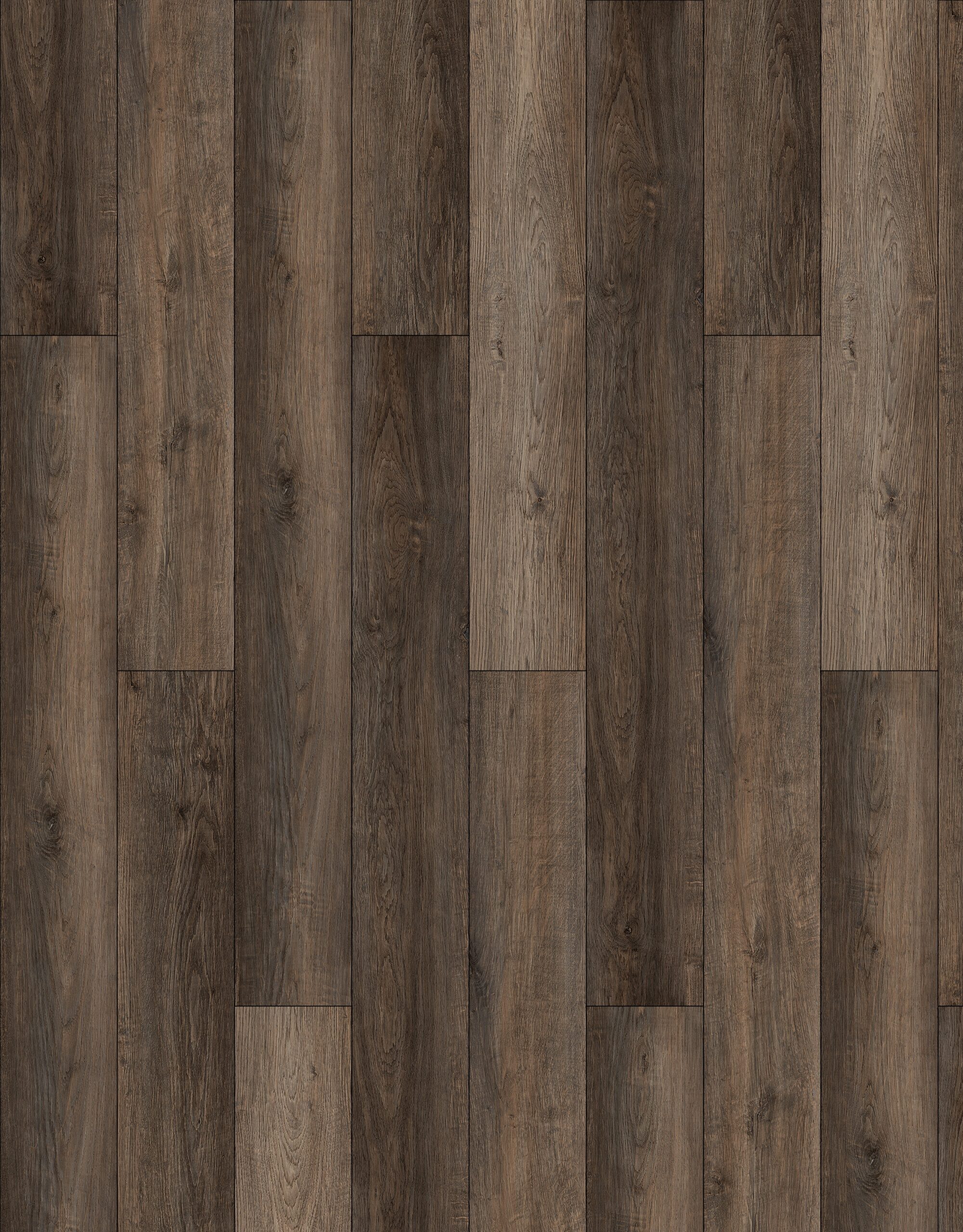
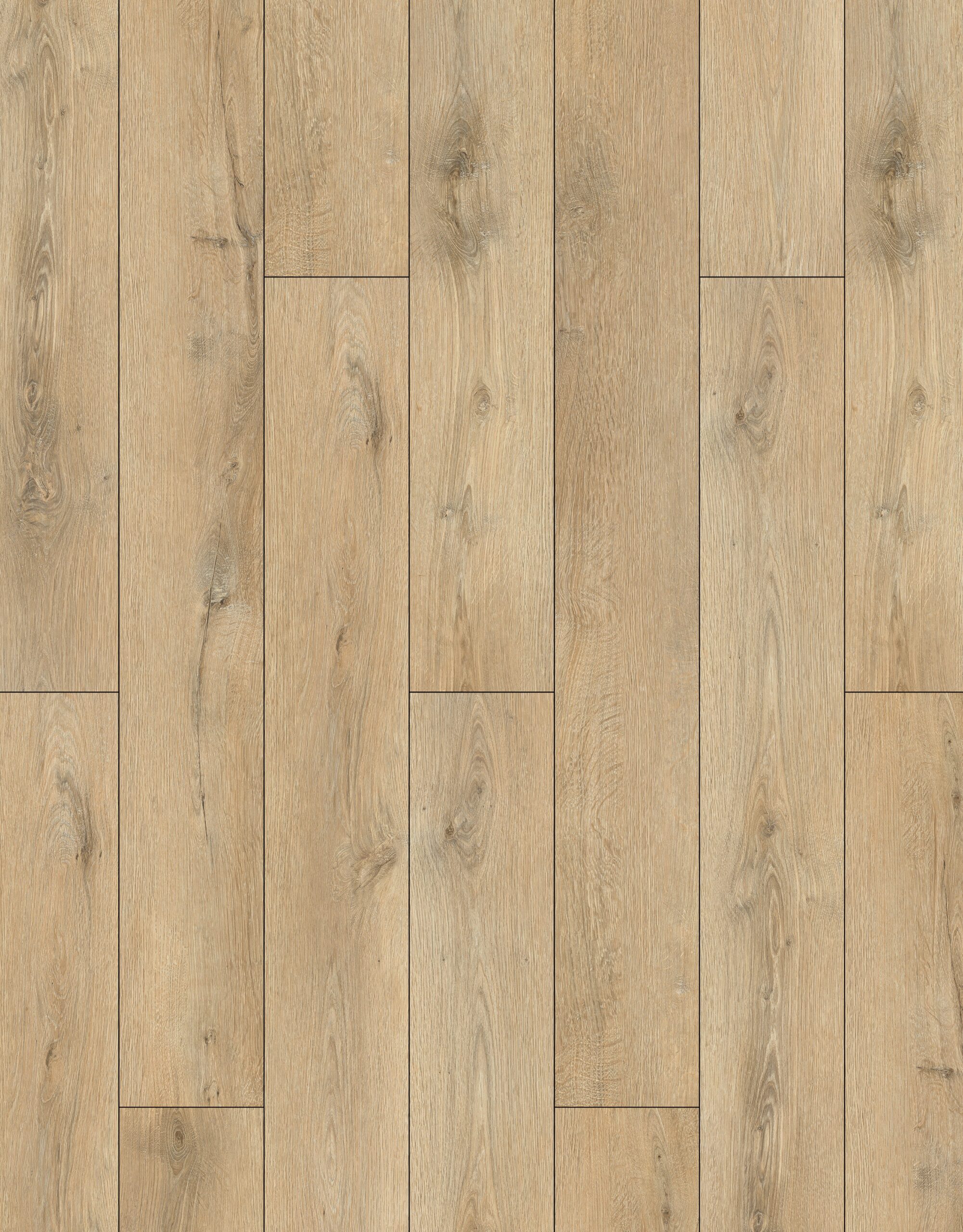
Sechs Stein- und sechs Holzdekore aus der aktuellen Kollektion
Stone looks suit retail, offices and bathrooms; wood looks suit flats and hotels. Tell us the decor codes with your enquiry and we confirm which of the builds above each decor comes in, and the MOQ that applies.
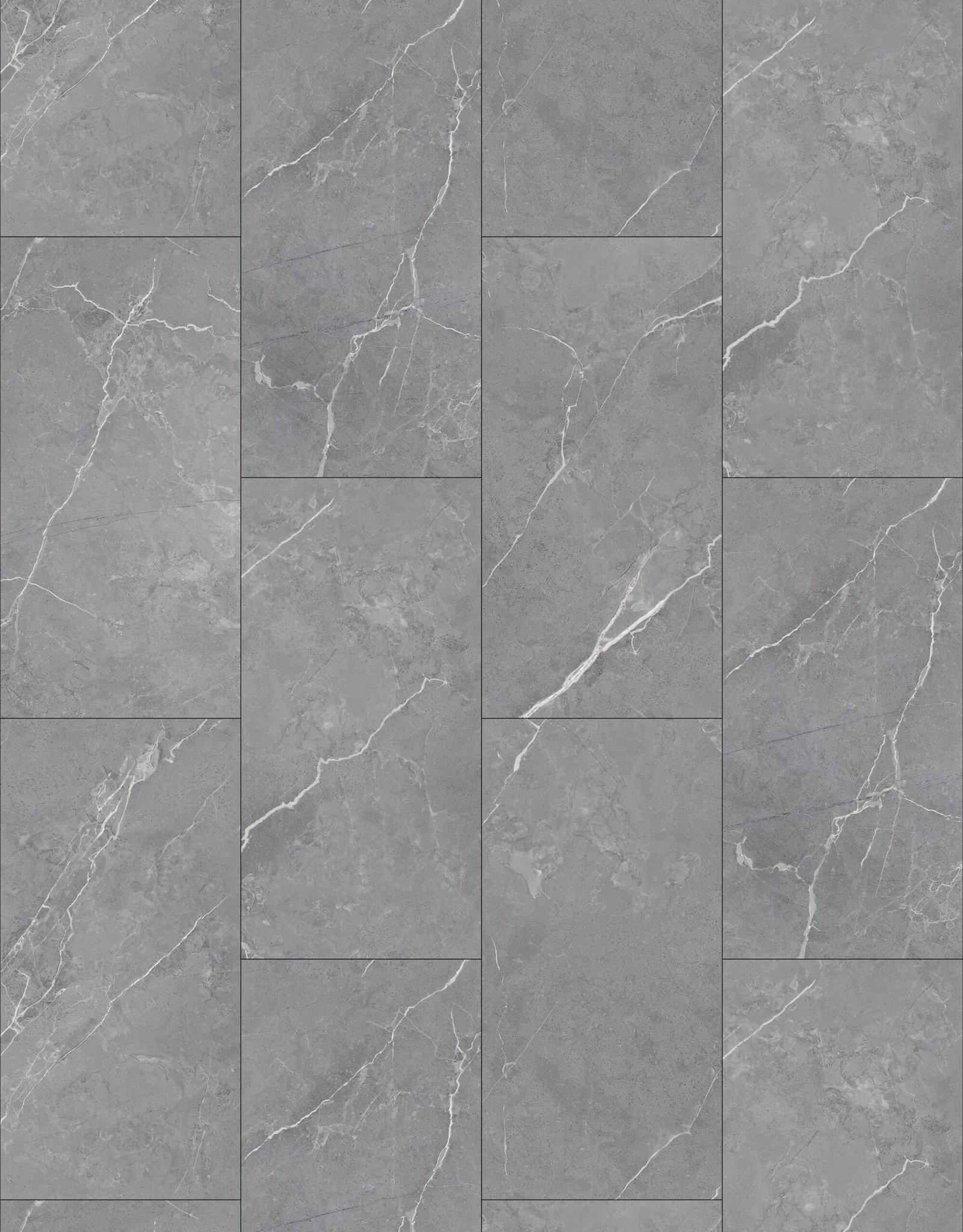

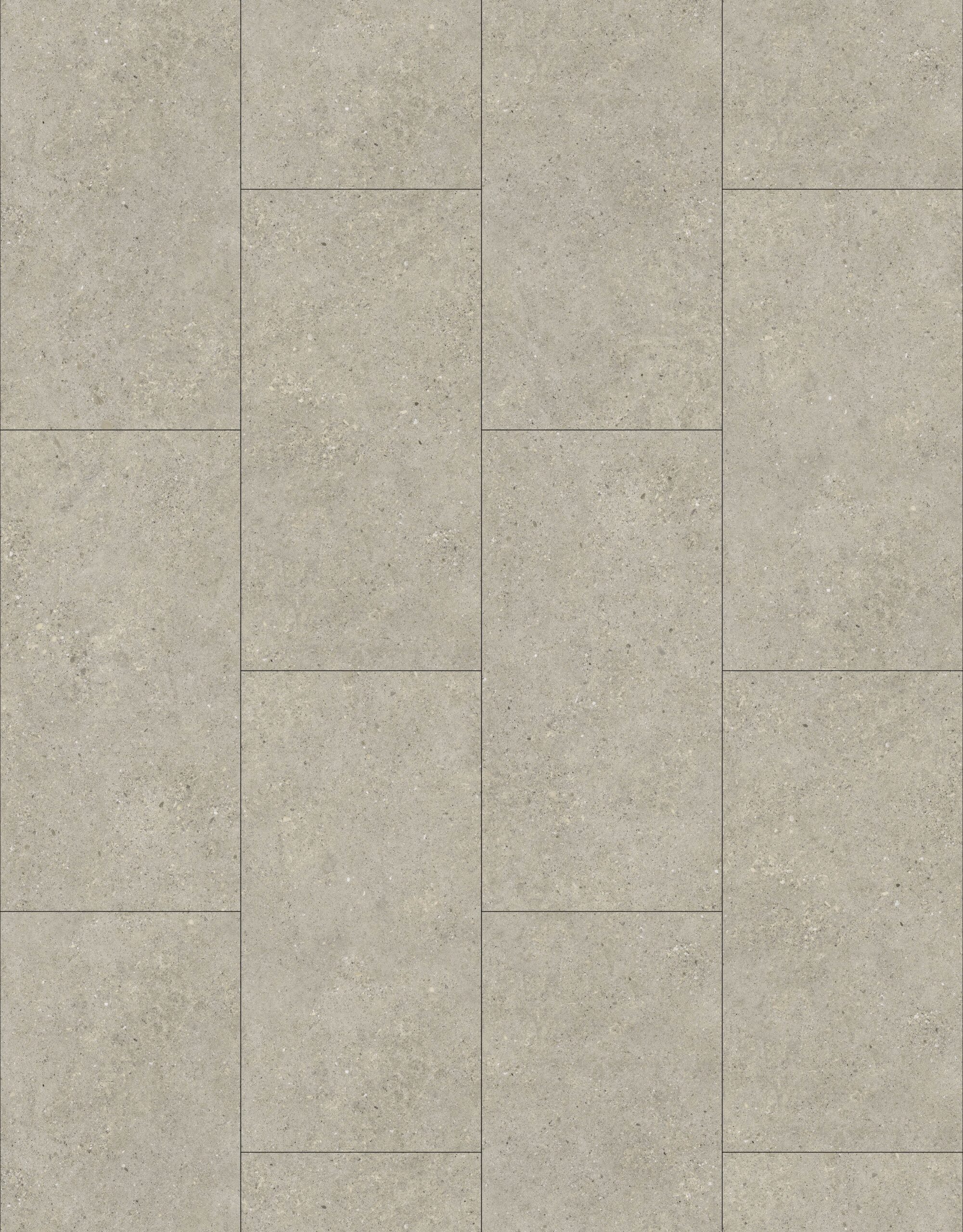

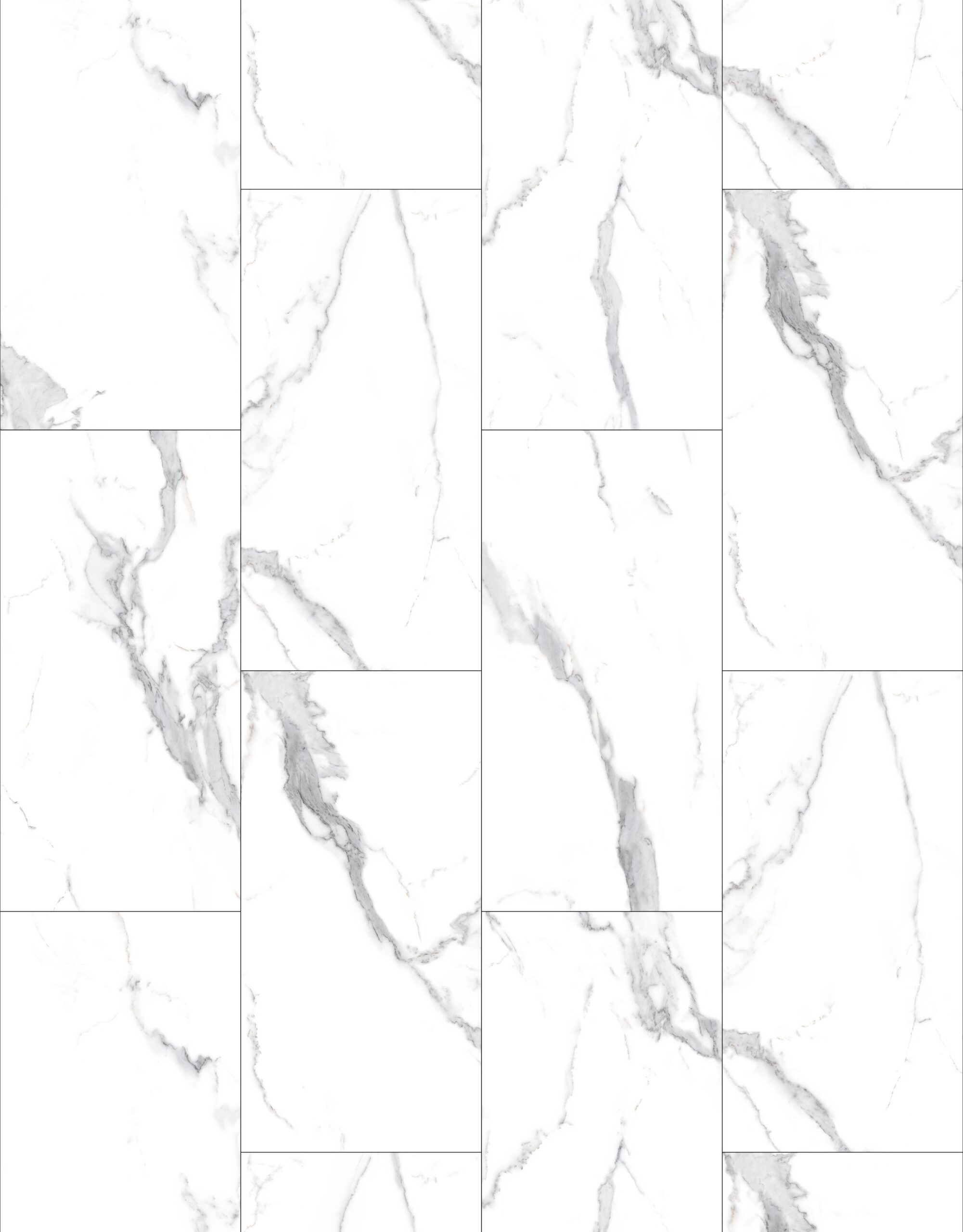




Boden und Wand aus einem Auftrag,
geprüft nach unterschiedlichen Regeln.
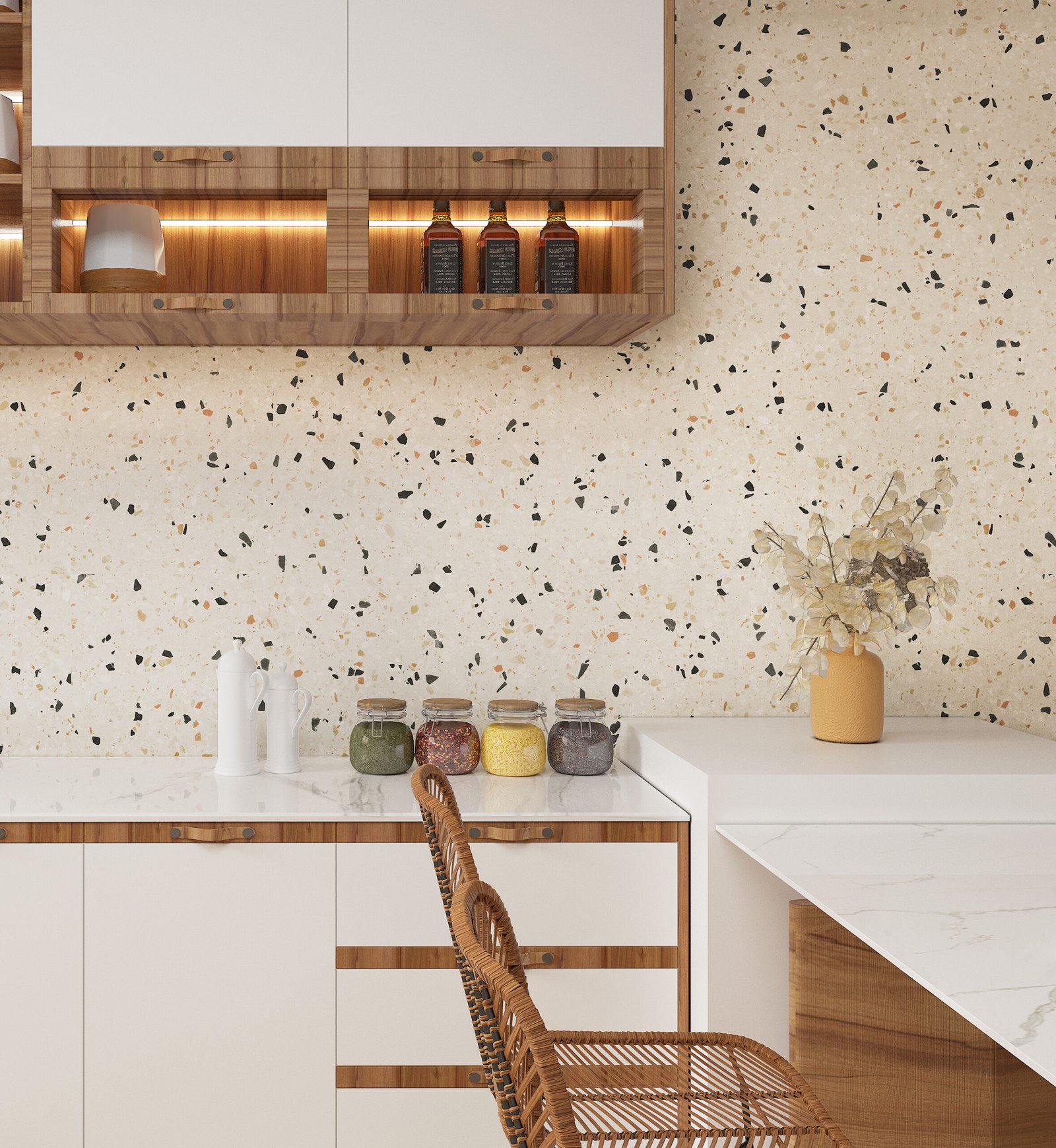
SPC wall panels give bathrooms, hotel rooms and shop fit-outs a rigid decorative wall surface. Ask for them with your flooring enquiry and we quote floors and walls together.
Walls are not floors in German building law. A wall lining is classified to EN 13501-1 as a building product, without the fl suffix used for floor coverings, so a floor fire report never covers a wall panel. Tell us the room and the class your planner requires and we confirm the evidence for the panel itself.
Ihre Marke auf dem Karton,
vor Produktionsbeginn abgestimmt.
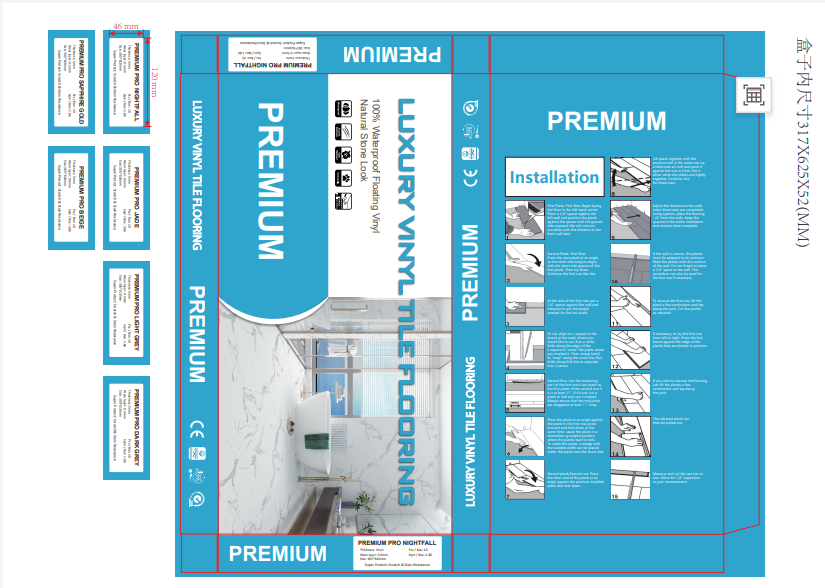
Carton print, labels and inserts are designed around your brand. For Germany the artwork usually has to carry more than a logo: the producer identification the EU packaging regulation asks for, German-language notices, EAN codes and the CE label data for the DoP you issue.
We fix all of it in the artwork proof before the line starts. Custom colours and OEM designs start from 2,200 m²; our own designs from 800 m² per colour.
Production · SPC line
Checks · core density measured on samples
Warehouse · packed cartons before loading
Zehn Fragen deutscher Einkäufer
Questions in German, answers in English: short answer, what it means for your purchase, what we supply and where the limit is.
Welche CE- und DoP-Dokumente benötigen wir für SPC- und LVT-Bodenbeläge in Deutschland?
For SPC and LVT floor coverings under EN 14041 you normally need the Declaration of Performance, the CE marking and the test reports for the construction you buy. For products made available in Germany, BauPG § 8 sets German as the DoP language; the economic operator who issues the DoP provides it.
- For your purchase
- Before ordering, check that the DoP and CE data cover reaction to fire, slip resistance and the other declared characteristics of that exact construction.
- What we supply
- Technical documents and test reports per construction, where available. Our documents are in English.
- Limit
- A report for one construction does not automatically cover other thicknesses, backings, IXPE versions or installation methods.
Wer ist verantwortlich für die DoP, wenn wir unter unserer eigenen Marke verkaufen?
If you place the floor on the market under your own name or brand, EU construction products law can treat you as the manufacturer, and you issue the DoP.
- For your purchase
- Settle who issues the DoP and which technical documentation it is based on before packaging is printed and before launch.
- What we supply
- Test reports and technical data for the construction you buy.
- Limit
- We supply the technical basis. The legal responsibility of the brand owner or importer stays with them.
Welche VOC- oder Emissionsnachweise sind für Deutschland wichtig?
German projects look at VOC emissions, assessment under the AgBB scheme, indoor air quality and project sustainability requirements. EN 14041 alone does not cover emissions.
- For your purchase
- Emission documents have to match the construction you order.
- What we supply
- Emission reports within their valid scope, matched to your SKU at quotation.
- Limit
- We do not claim “low VOC” in general. Applicability is checked per SKU and per report.
Reichen GREENGUARD Gold, Indoor Air Comfort Gold oder FloorScore für deutsche Projekte aus?
They can help, but they do not replace the check a German client, tender or assessor makes.
- For your purchase
- Ask whether the client, planner, DGNB or BREEAM assessor or the public tender accepts the certificate in question. German-specific options include the Blue Angel, held for our PP flooring only, and a product passport for QNG, DGNB and BNB criteria, matched per SKU.
- What we supply
- Certificate name, scope, validity and the products it covers, on request.
- Limit
- A US or international VOC certificate is not presented as meeting German requirements automatically.
Welche Brandklassifizierung brauchen SPC- und LVT-Böden in Deutschland?
The Euroclass to EN 13501-1 depends on the building, the use, the location in the building and the project specification. Where a code asks for schwerentflammbar, for example in required stairwells and corridors, floors need Cfl-s1 or better.
- For your purchase
- Name the fire class required by the project or the Leistungsverzeichnis.
- What we supply
- The classification report for the chosen construction, where one exists. The Dryback 3.0 mm datasheet states Bfl-s1.
- Limit
- A fire report without IXPE does not automatically cover the same board with IXPE. Dryback, click, underlay and installation method are checked separately.
Wie wird Trittschall bei SPC Click mit IXPE in Deutschland bewertet?
Under DIN 4109 impact sound is assessed on the whole floor and building build-up, not on the covering alone.
- For your purchase
- Give us the structural slab, substrate, underlay, covering, IXPE and the target value.
- What we supply
- Available impact-sound improvement data for the tested construction.
- Limit
- IIC values or single product values do not replace an assessment of the German build-up. Values such as ΔLw are quoted only from matching test reports.
Ist SPC oder LVT für Fußbodenheizung geeignet?
SPC and LVT can go over suitable low-temperature floor heating when product, substrate, adhesive or underlay and temperature limits fit together. The heating design decides; German heating law sets no requirement for the floor covering.
- For your purchase
- Before ordering, check thermal resistance data, the maximum surface temperature and the installation instructions.
- What we supply
- Technical data and installation guidance for the chosen construction. The Dryback 3.0 mm datasheet states dimensional stability ≤ 0.12% to ISO 23999.
- Limit
- No blanket “always suitable”. The complete build-up decides.
Welche Nutzungsklasse, Nutzschicht und Dicke passen zu unserem Einsatzbereich?
It depends on the area of use, traffic, installation method and the price level you target.
- For your purchase
- Housing, offices, retail, hotels, education and healthcare can each call for a different mix of total thickness, wear layer and use class.
- What we supply
- Datasheet values per SKU: thickness, wear layer, format, use class and build. See the six datasheet builds.
- Limit
- Use classes are quoted only from the datasheet of that SKU. A class for one product does not apply to every SPC or LVT variant.
Welche Informationen brauchen Sie für ein FOB-Angebot nach Deutschland?
Product specification, quantity, colours, packaging, market requirements and the loading period you want.
- What to send
- Product type: SPC Click or LVT Dryback
- Total thickness and wear layer
- Format and surface
- Installation method and IXPE, if any
- Quantity per colour or decor
- Certificates or project documents needed
- Private label: yes or no
- Packaging requirements
- Loading period
- Destination port or warehouse region, for planning
- What we supply
- An FOB quotation to your specification.
- Limit
- FOB price, production time and loading plan become binding only after the specification and order structure are confirmed.
Wie werden Muster, Verpackung und Private Label für den deutschen Markt vorbereitet?
Samples, packaging and private label are prepared once the construction, the DoP role and the documentation needs are clear.
- For your purchase
- Decide early on neutral or own-brand packaging, EAN codes, German-language notices, CE label and pallet requirements. The producer of the packed goods also registers in the LUCID packaging register.
- What we supply
- Samples, technical data, packaging proposals and OEM support after the specification is confirmed.
- Limit
- EPAL pallets, German back labels, EAN-13 codes or particular sample sizes are handled as customer-specific requirements, not standard promises.
Aufbau und Projekt senden.
Wir antworten mit den passenden Nachweisen.
Company, a way to reach you and a short description are enough to start. Specification, quantity and port can stay open. The quotation comes FOB Shanghai with the production lead time and the documents matched to your build.
Destination market: Germany. Leave undecided fields empty.
We use the details in this form only to answer your enquiry: checking the specification and documents, and preparing samples or a quotation when you ask for them. They are not used for newsletters or marketing without your separate consent. Attachments are not enabled; if we need drawings or tender documents we ask by email.
Privacy notice: ecoflors.com/privacy-policy