SPC Flooring (Rigid Core Vinyl):
Structure, Specifications & Performance Guide
SPC flooring (Stone Plastic Composite) is a rigid core vinyl plank flooring engineered for waterproof performance, dimensional stability, and long-term durability in residential and commercial applications.
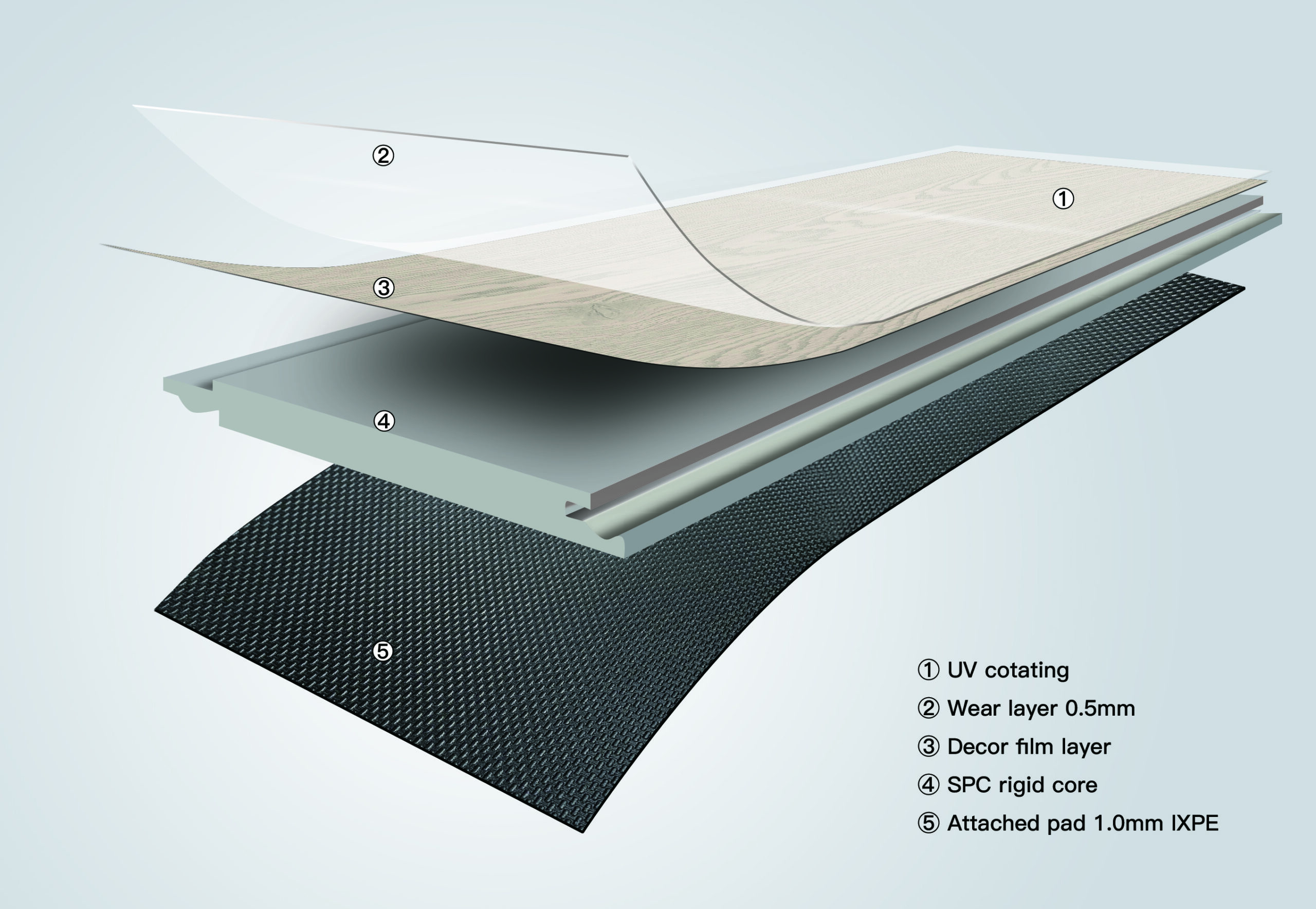
SPC Flooring Structure: Layers Explained (Rigid Core Construction)
SPC flooring is engineered with a rigid core structure and multiple protective layers, providing waterproof stability, impact resistance, and long-term durability in high-traffic residential and commercial environments.
Standard SPC flooring construction with multi-layer rigid core design for stability and durability.
1. Wear Layer (0.3mm – 0.7mm)
The wear layer is the top protective surface of SPC flooring, designed to resist scratches, abrasion, and daily wear. For commercial applications, a 20 mil (0.5mm) wear layer is typically recommended.
2. Decorative Film Layer
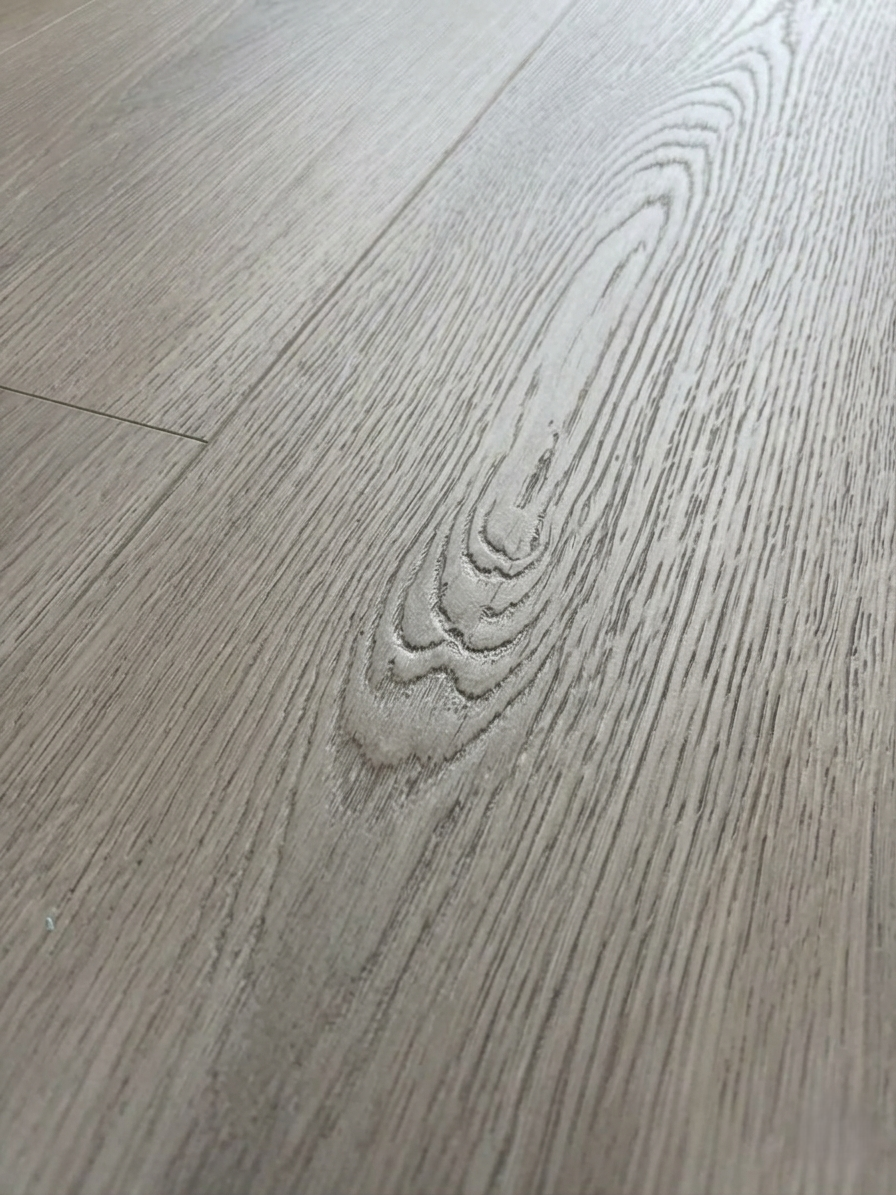
This layer defines the visual appearance of the flooring, using high-resolution printing to replicate natural wood or stone textures.
3. Rigid SPC Core (Stone Plastic Composite)
The SPC core is a high-density limestone-based layer that provides dimensional stability and waterproof performance, preventing expansion and contraction under temperature changes.
4. IXPE / EVA Underlayment
The underlayment improves acoustic performance (IIC/STC ratings), enhances comfort underfoot, and helps compensate for minor subfloor irregularities.
This multi-layer construction is what makes SPC flooring one of the most dimensionally stable and waterproof rigid core flooring solutions available today.
SPC vs LVP Flooring: Key Differences in Structure, Stability & Performance
SPC flooring and LVP flooring are both popular vinyl flooring solutions, but they differ significantly in structure, flexibility, and long-term performance in residential and commercial environments.
| Technical Factor | SPC Flooring (Rigid Core) | LVP Flooring (Flexible Core) | Practical Impact |
|---|---|---|---|
| Core Material | Limestone + PVC composite | Flexible PVC with plasticizers | Stability: SPC provides higher structural rigidity |
| Density | 1900 – 2100 kg/m³ | 1700 – 1900 kg/m³ | Durability: Better resistance to heavy loads |
| Dimensional Stability | ≤ 0.10% (EN ISO 23999) | ≤ 0.25% | Reliability: Reduced expansion and contraction |
| Installation | Click-lock rigid system | Glue-down / Loose lay / Click | Efficiency: Faster installation with SPC |
| Subfloor Tolerance | Handles minor imperfections | Requires smoother subfloor | Cost: Less preparation needed for SPC |
💡 Performance Summary
SPC flooring is typically preferred for high-traffic and commercial environments due to its rigid core stability and resistance to temperature changes. In contrast, LVP flooring (Luxury Vinyl Plank) is more flexible and is often used in residential applications where comfort and cost efficiency are priorities.
Where is SPC Flooring Used?
SPC flooring is widely used in both commercial and residential projects where durability, waterproof performance, and low maintenance costs are critical to long-term return on investment.
Commercial Applications
- ✔ Retail & Shopping Malls: Designed for continuous foot traffic and heavy fixtures.
- ✔ Healthcare Facilities: Hygienic and easy-to-clean surfaces.
- ✔ Hotels & Hospitality: Fast renovation with improved acoustic comfort.
- ✔ Offices & Commercial Spaces: Stable under heavy furniture with minimal maintenance.
- ✔ Schools & Public Buildings: Long-lasting durability with safety performance.
✔ Ideal for high-traffic environments requiring long-term durability and cost efficiency.
Residential Applications
- ✔ Apartments & Multi-family Housing: Cost-efficient flooring with long lifespan.
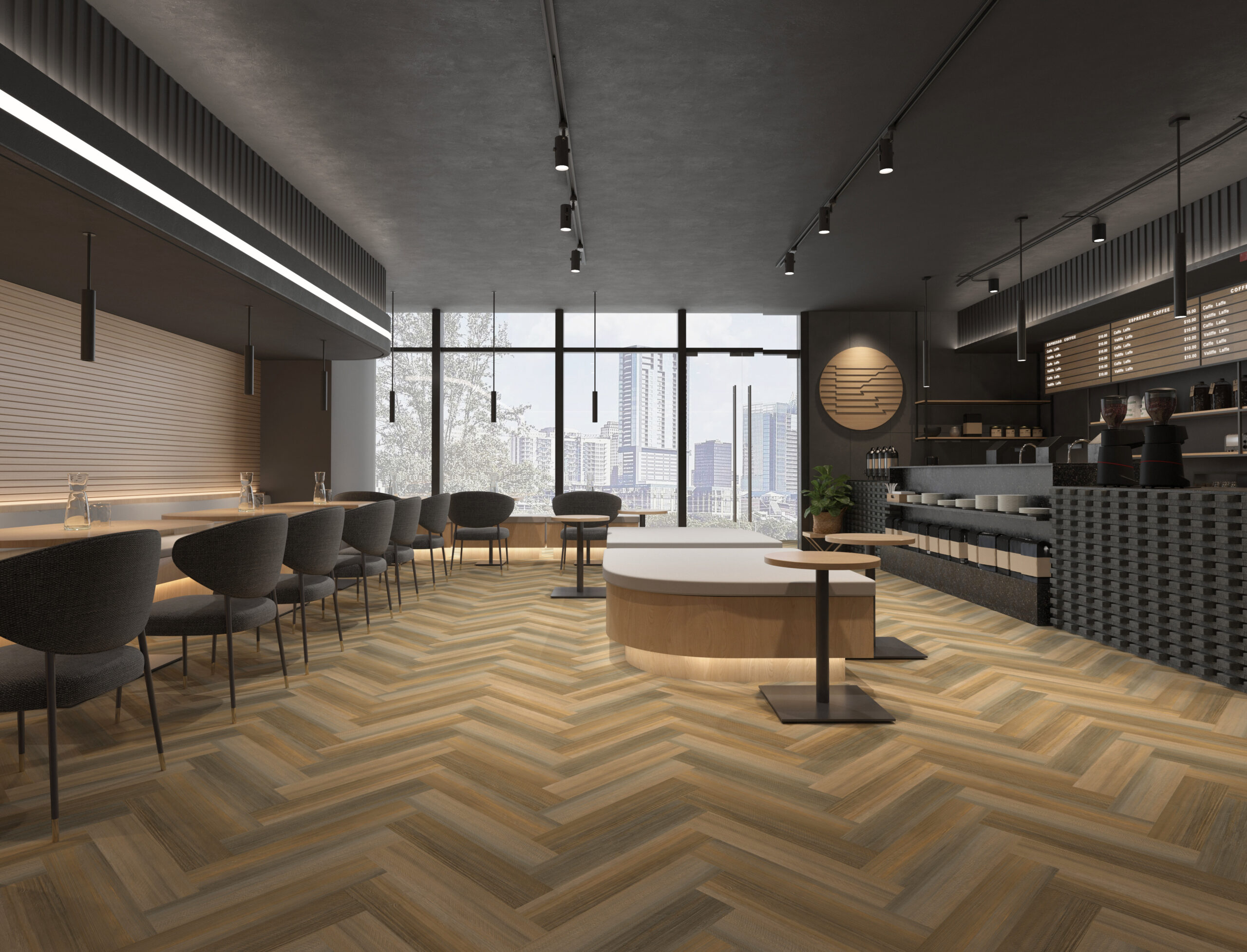
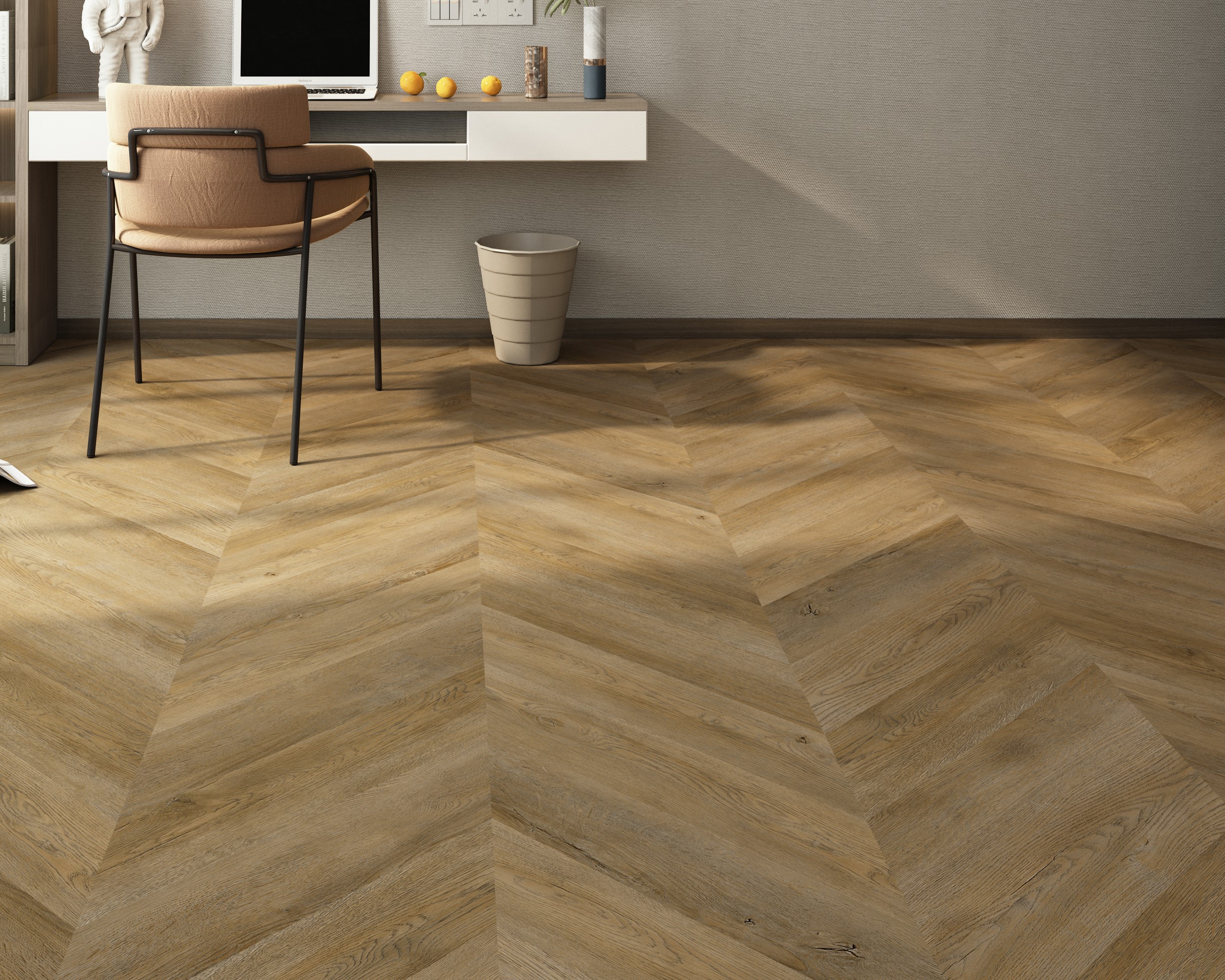
- ✔ Villas & Homes: Natural wood-look design with waterproof core.
- ✔ Rental Properties: Reduced maintenance and replacement costs.
- ✔ Renovation Projects: Easy click-lock installation system.
✔ Ideal for fast installation and long-term value in residential environments.
💡 Project Insight
For developers, contractors, and distributors, SPC flooring is widely specified in projects where installation efficiency, dimensional stability, and lifecycle cost control are key decision factors.
SPC Flooring Technical Specifications
Tested according to European (EN), International (ISO), and North American (ASTM) standards to ensure consistent performance across global markets.
| Parameter | Standard | Performance |
|---|---|---|
| DIMENSION & CONSTRUCTION | ||
| Classification | EN ISO 10874 | Class 23 / 33 / 42 (Residential to Heavy Commercial) |
| Thickness | ISO 24346 | 4mm – 8mm options |
| Wear Layer | EN 429 | 0.3mm / 0.5mm / 0.7mm |
| SAFETY & ENVIRONMENTAL | ||
| Fire Resistance | EN 13501-1 | Bfl-s1 |
| VOC Emission | FloorScore / ASTM D5116 | Certified Low Emission |
| DURABILITY & PERFORMANCE | ||
| Abrasion Resistance | EN 660-2 | Group T |
| Dimensional Stability | EN ISO 23999 | ≤ 0.10% |
| Click Strength | ISO 24334 | ≥ 1200N |
💡 Specification Guide for Buyers
• 0.3mm wear layer → Residential projects
• 0.5mm wear layer → Commercial / multi-family
• 0.7mm wear layer → Heavy traffic retail & public spaces
Custom thickness, IXPE backing, and surface finishes are available for OEM and large-volume orders.
SPC Specification & Performance Selection
WE provide high-performance rigid core flooring pre-attached with 1.0mm IXPE/EVA Acoustic Underlayment. Choose thickness based on your project’s traffic, subfloor, and acoustic requirements.
| Thickness (Inc. Pad) | Core / Wear Layer | Acoustic | Dimensional Stability | Peel Strength |
|---|---|---|---|---|
| 5.0mm | 4.0mm Core / 0.3mm Wear | ~18 dB | ≤0.10% (EN ISO 23999) | ≥50 N/50mm |
| 6.0mm Most Popular | 5.0mm Core / 0.5mm Wear | ~20 dB | ≤0.10% (EN ISO 23999) | ≥50 N/50mm |
| 7.0mm | 6.0mm Core / 0.7mm Wear | ~22 dB | ≤0.10% (EN ISO 23999) | ≥50 N/50mm |
| 8.0mm | 7.0mm Core / 0.7mm Wear | ~24 dB | ≤0.10% (EN ISO 23999) | ≥50 N/50mm |
5.0 mm Residential Choice
4.0mm Core / 0.3mm Wear Layer
~18 dB Acoustic Reduction
Application: Multi-family / Apartments
Explore 5mm Series →6.0 mm Commercial Grade
5.0mm Core / 0.5mm Wear Layer
~20 dB Acoustic Reduction
Application: Offices / Retail Spaces
Explore 6mm Series →7.0 mm Heavy Commercial
6.0mm Core / 0.7mm Wear Layer
~22 dB Acoustic Reduction
Application: Hospitals / Schools
Explore 7mm Series →8.0 mm Premium Spec
7.0mm Core / 0.7mm Wear Layer
~24 dB Acoustic Reduction
Application: Extreme Duty / Luxury Hotels
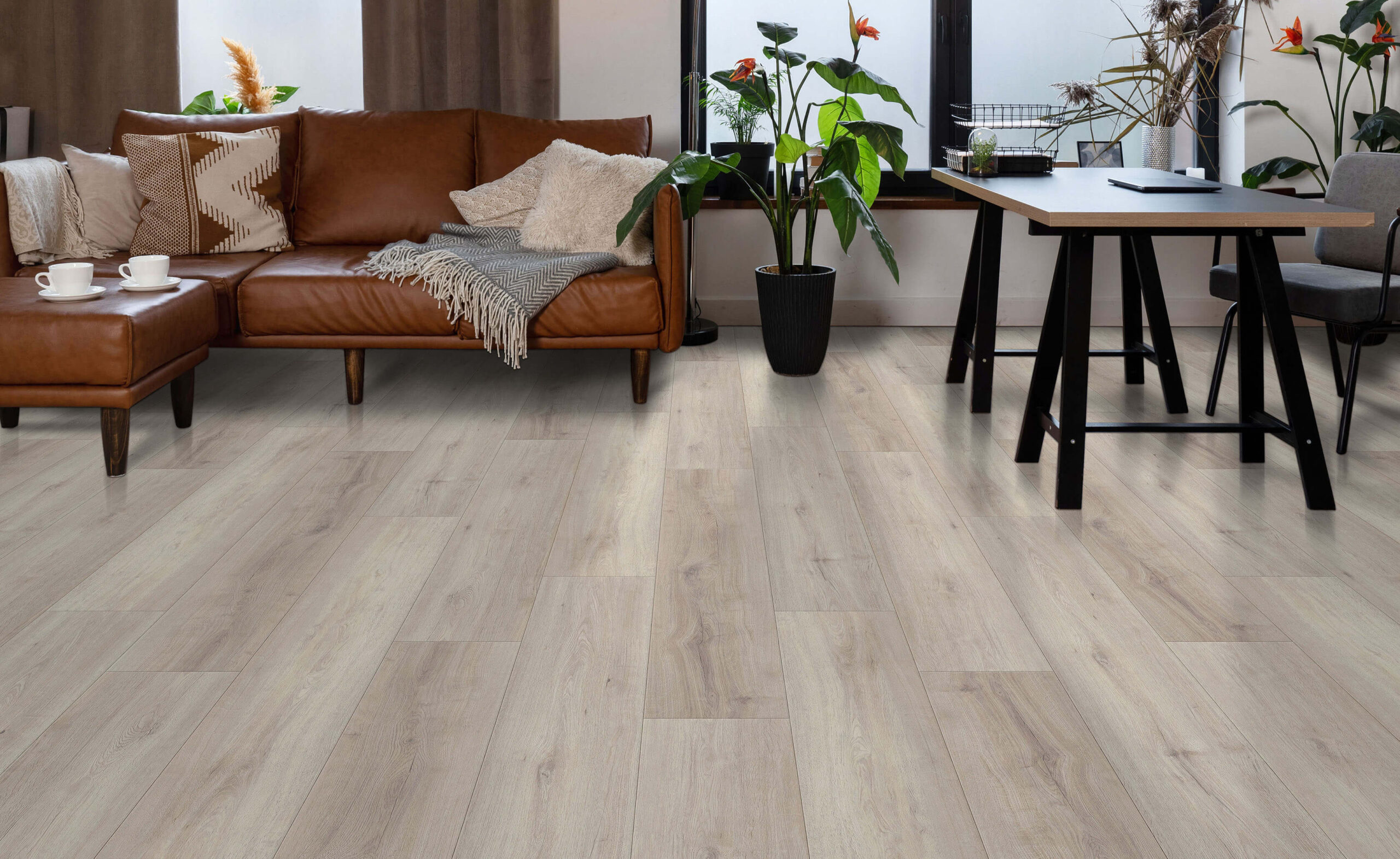
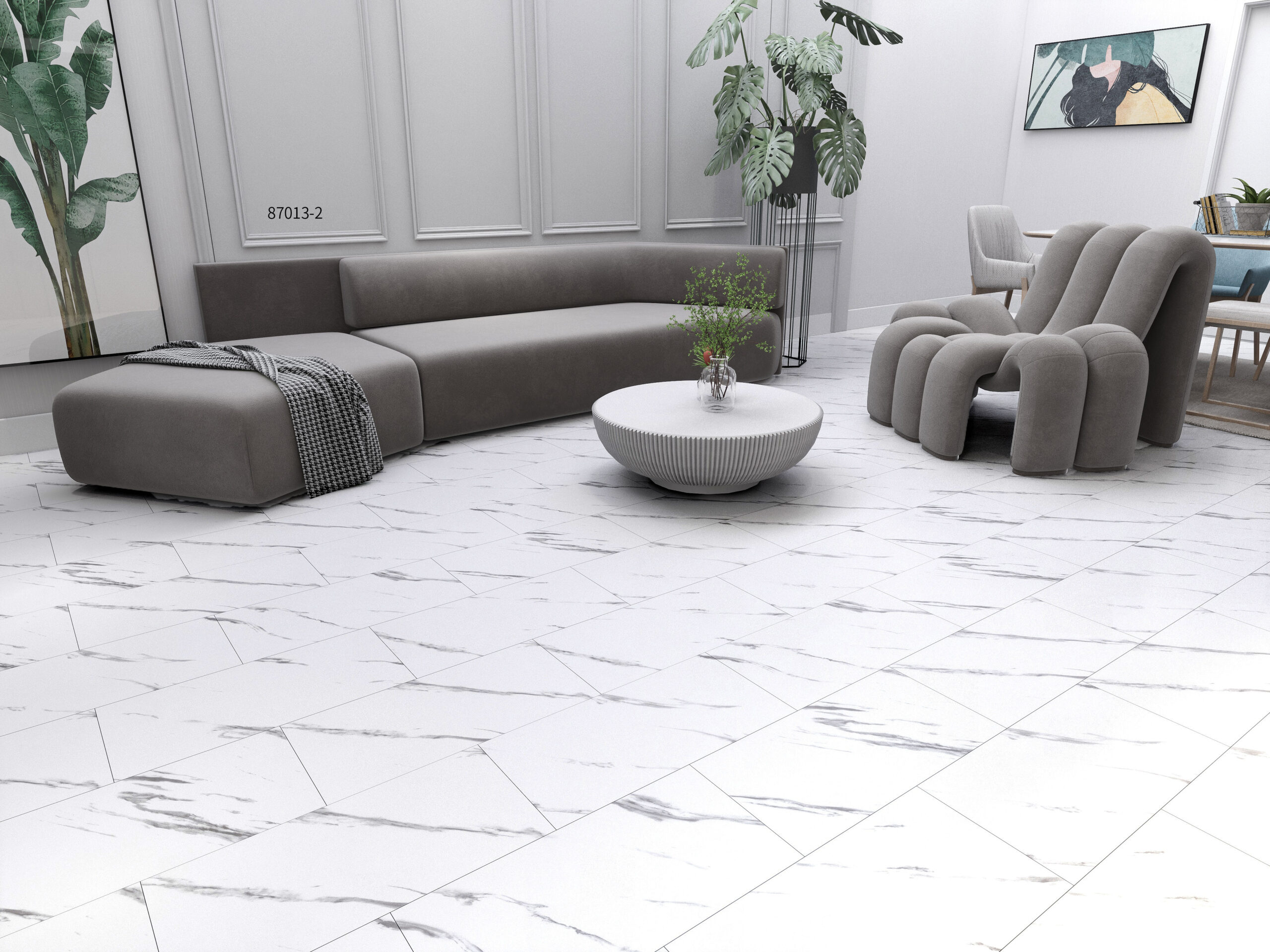
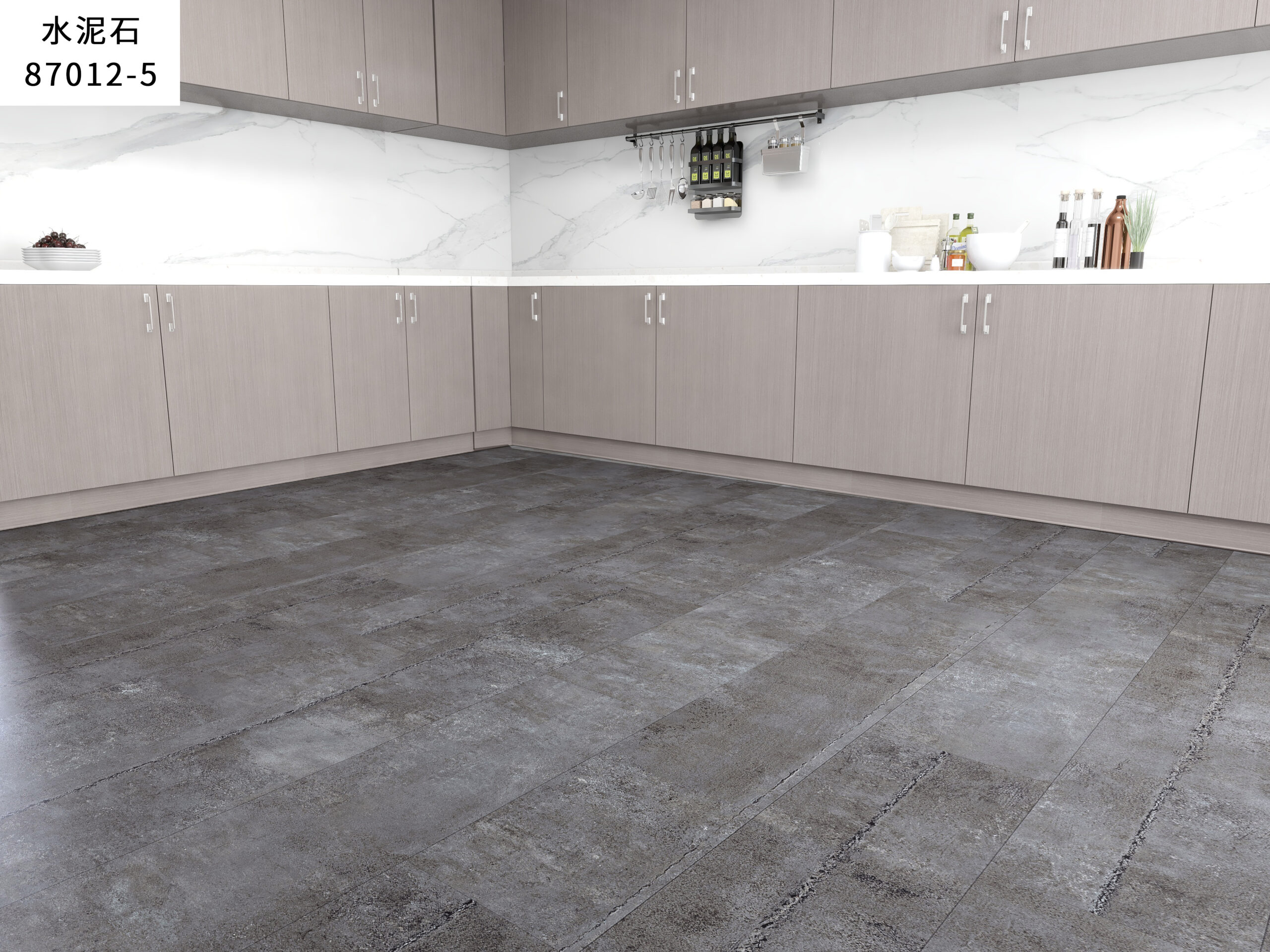
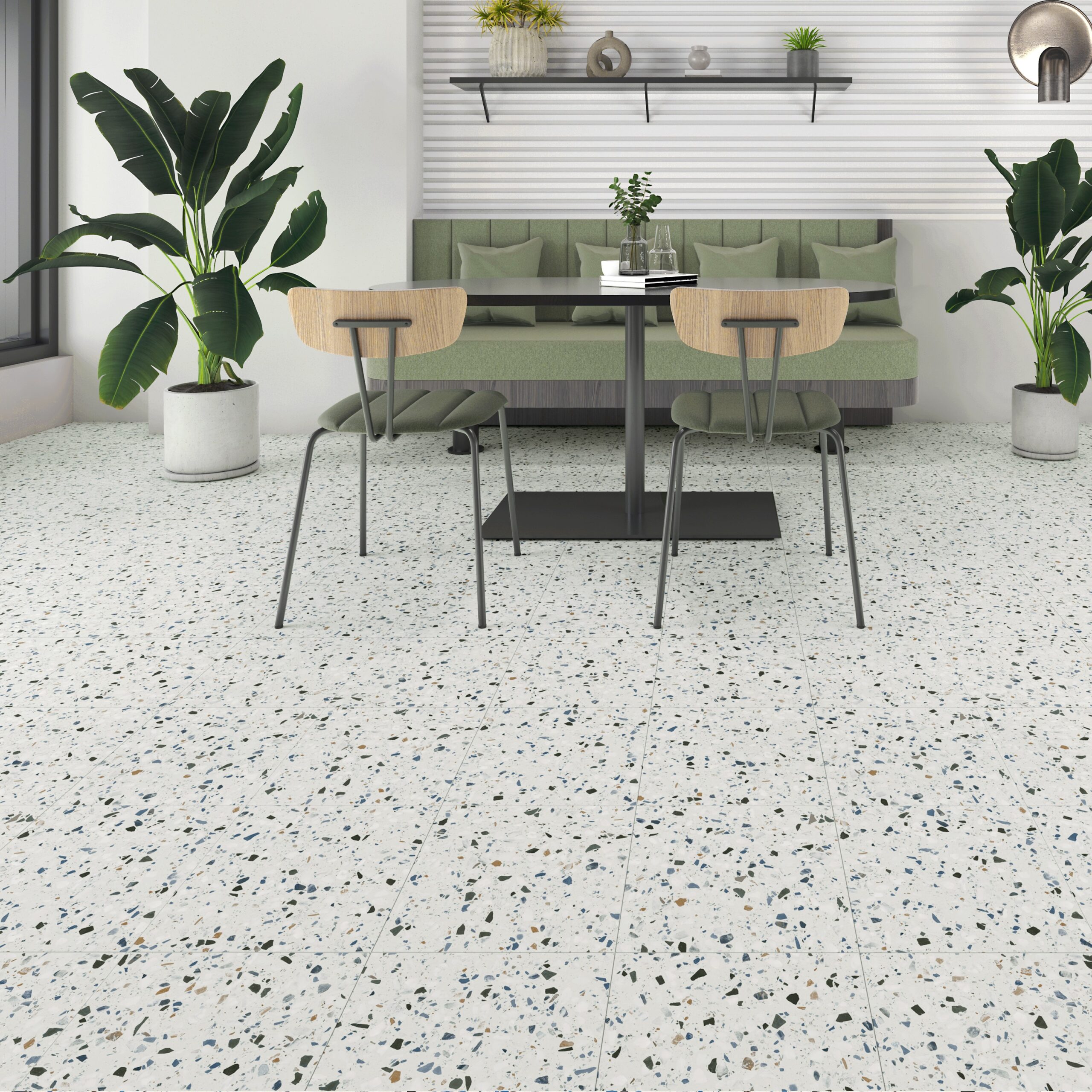
Explore 8mm Series →Explore Versatile SPC Aesthetics
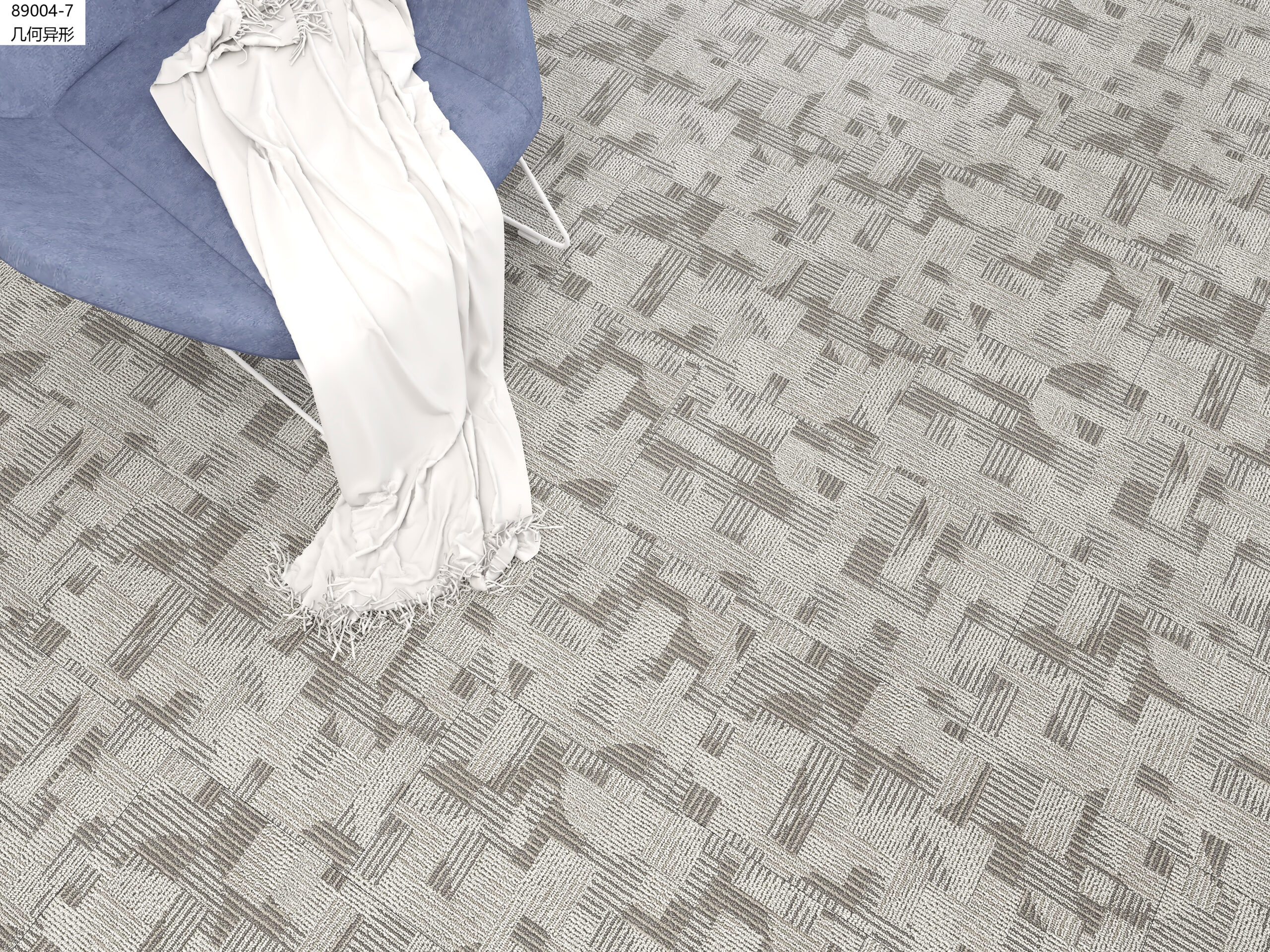
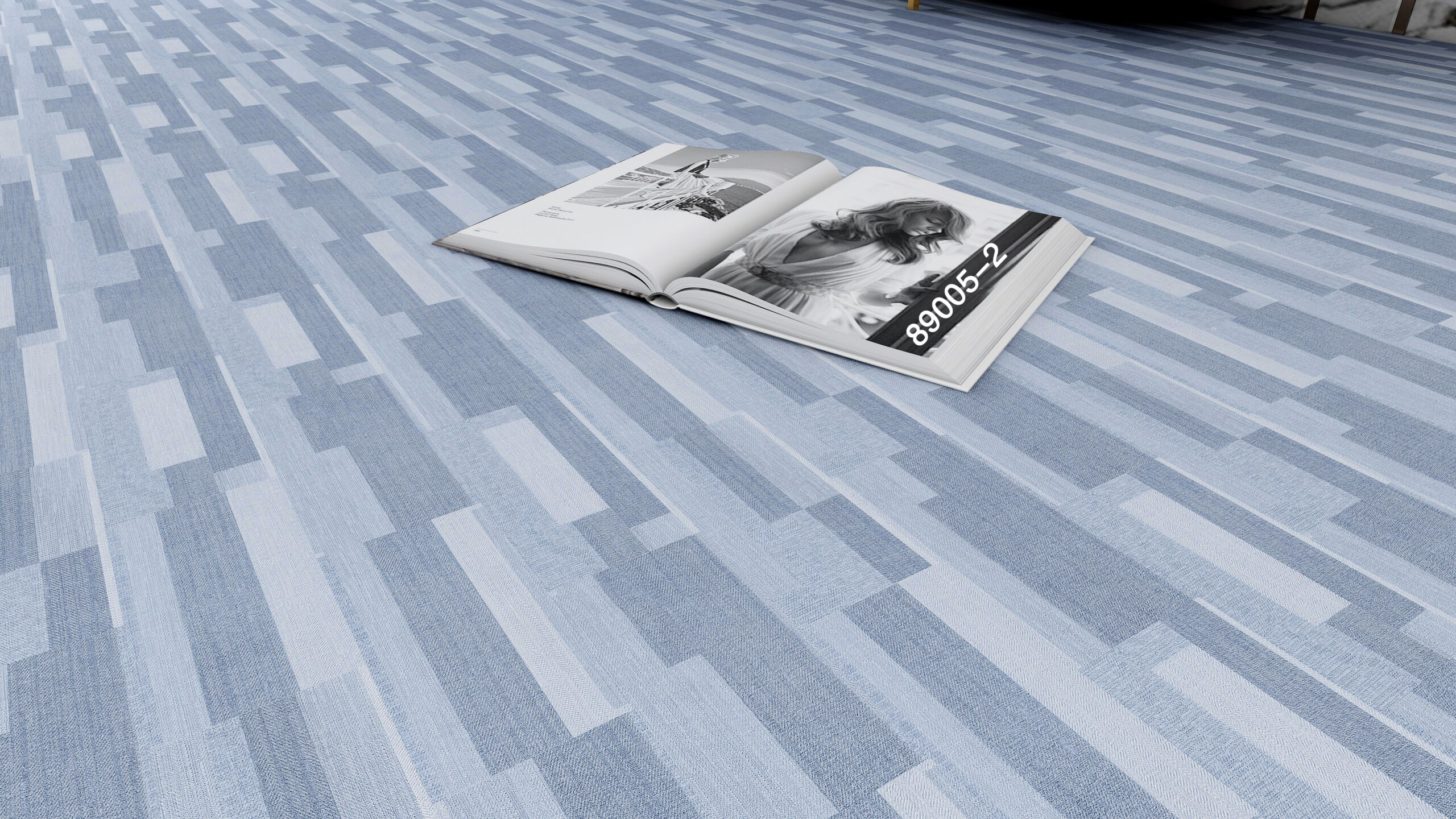
From hyper-realistic wood grains to sophisticated stone and textile textures, our SPC solutions are engineered to meet the highest aesthetic and technical standards of the USA and EU markets.
Before Finalizing Your Technical Submittal…
Ensure your project meets specific 2026 US regulatory requirements, including ASTM performance standards and FloorScore® certification. Review our sourcing intelligence before procurement.
Advanced Extrusion Technology
Watch our high-speed extrusion line in action. We utilize state-of-the-art automated systems to ensure molecular-level bonding of limestone and stabilizers.
- Continuous Output: High-precision calendering for uniform thickness.
- Heat Stability: Advanced temperature control to prevent future warping.
- QC Monitoring: Real-time inspection for core density and surface finish.
07 / BEYOND MANUFACTURING
Full OEM & Project Marketing Support
At Ecoflors, we partner in your success. Beyond premium flooring, we provide a complete marketing toolkit to empower your brand in North America, Europe, and Australia.
Globally Certified, Quality Assured
Our commitment to product excellence is verified by leading international testing institutions.
FloorScore®
CE Mark
Greenguard
ISO 9001
SGS Tested
Your Global SPC Flooring Strategic Partner
Bulk Procurement & Wholesale
WE offer factory-direct pricing for 5mm SPC Click Flooring. Specifically, we cater to large-scale contractors with volume-based incentives.
Wholesale Portal →Import Logistics & Compliance
Consequently, navigating USA customs requires expert guidance. WE provide the roadmap for Anti-dumping and Lacey Act compliance.
Import Guide →