
EIR, Crystal or Natural Wood Texture?
A convincing wood-look floor depends on décor, embossing, gloss, print repeat and joint detail working together. Use the surface name to shortlist samples, then judge the complete floor appearance.
Three surface directions to compare
EIR: Embossed in Register
Alignment between print and embossing creates relief that follows the décor. Inspect registration over several pieces, not only one attractive section.
Crystal texture
A surface pattern that does not need to follow each printed grain. Compare the actual sample under side lighting to understand its effect.
Natural or deep wood texture
Natural wood and deeper wood-grain patterns offer other tactile directions. Texture depth and the décor pairing should be approved from a physical sample.
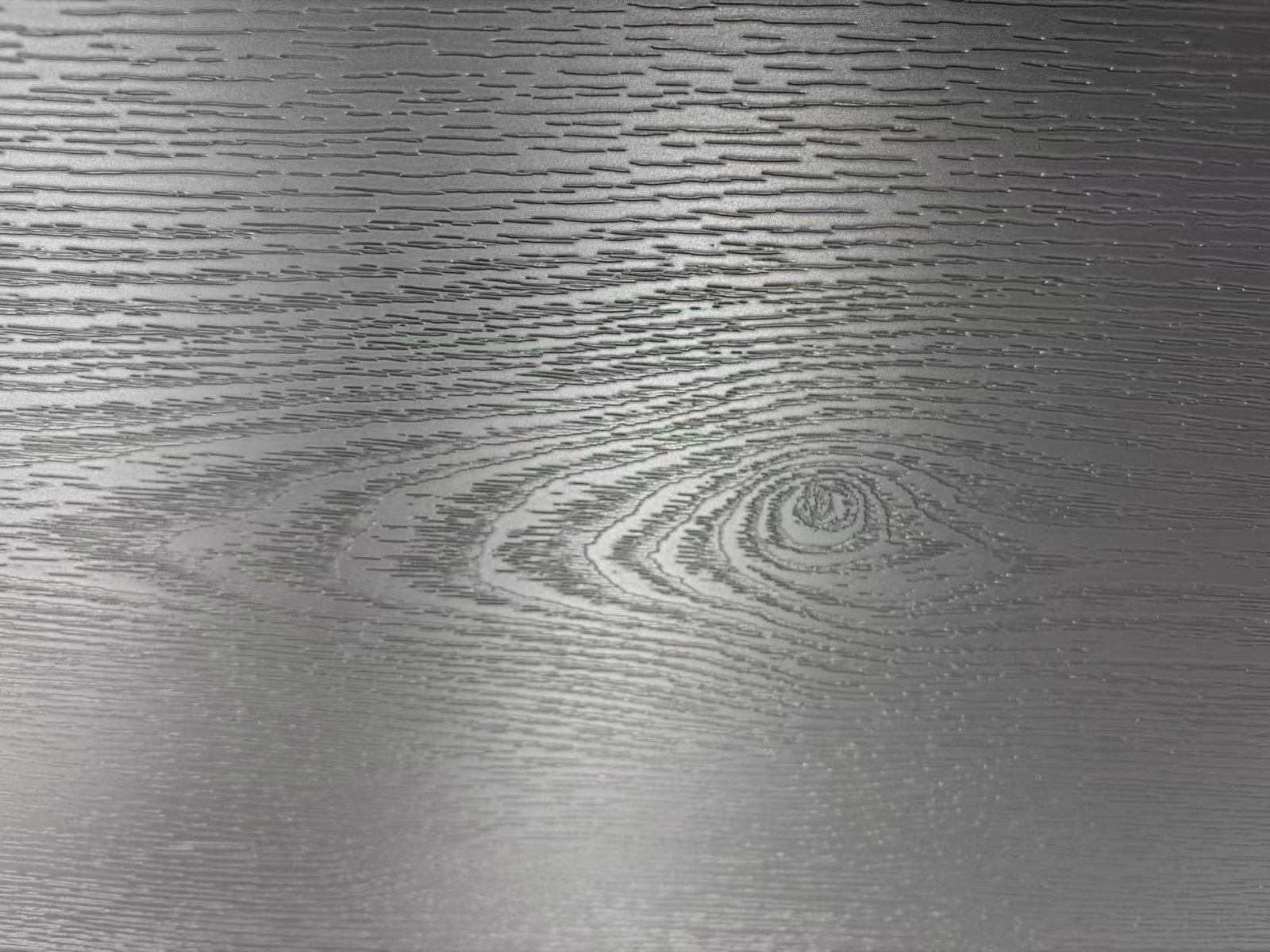
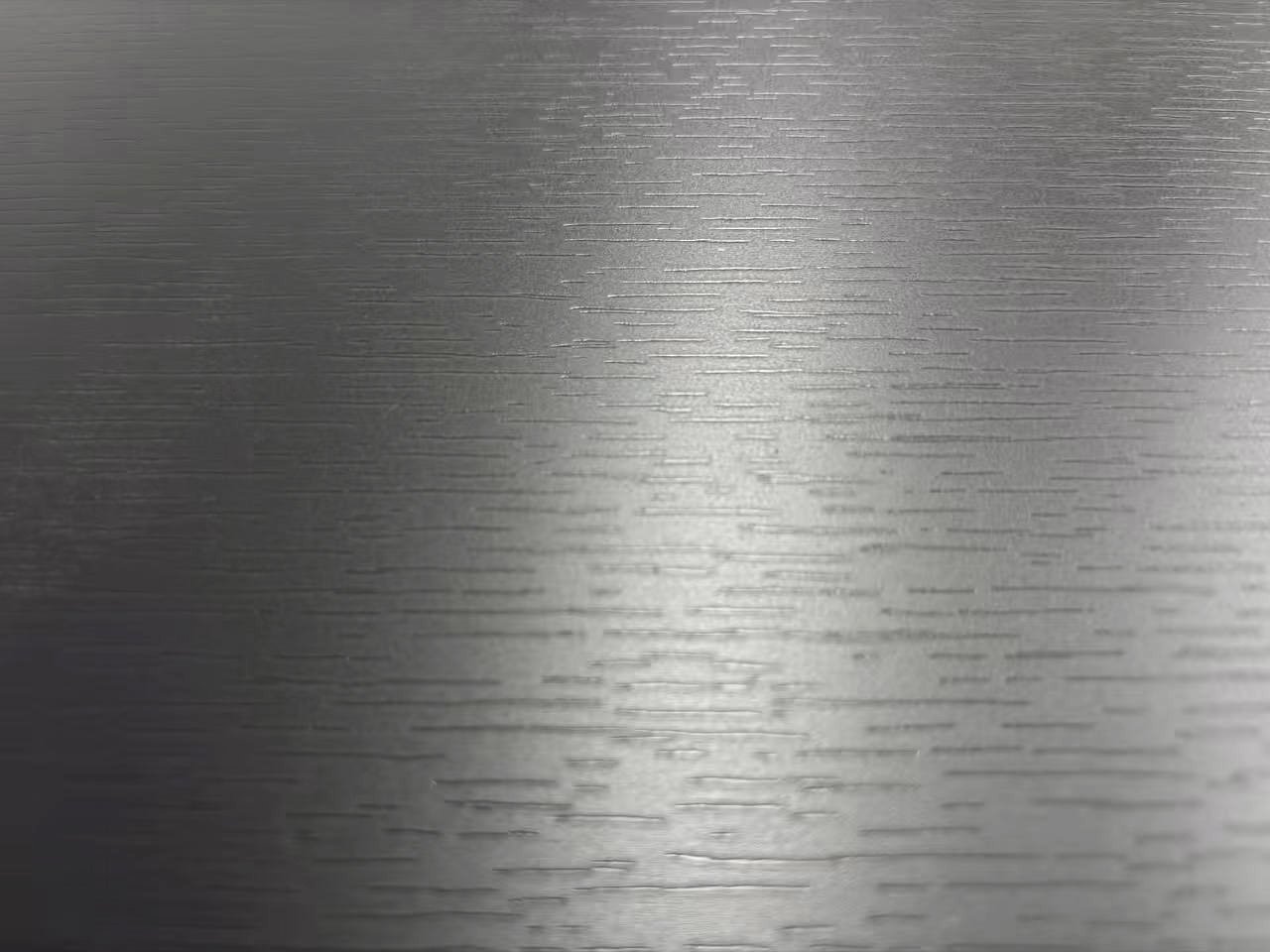
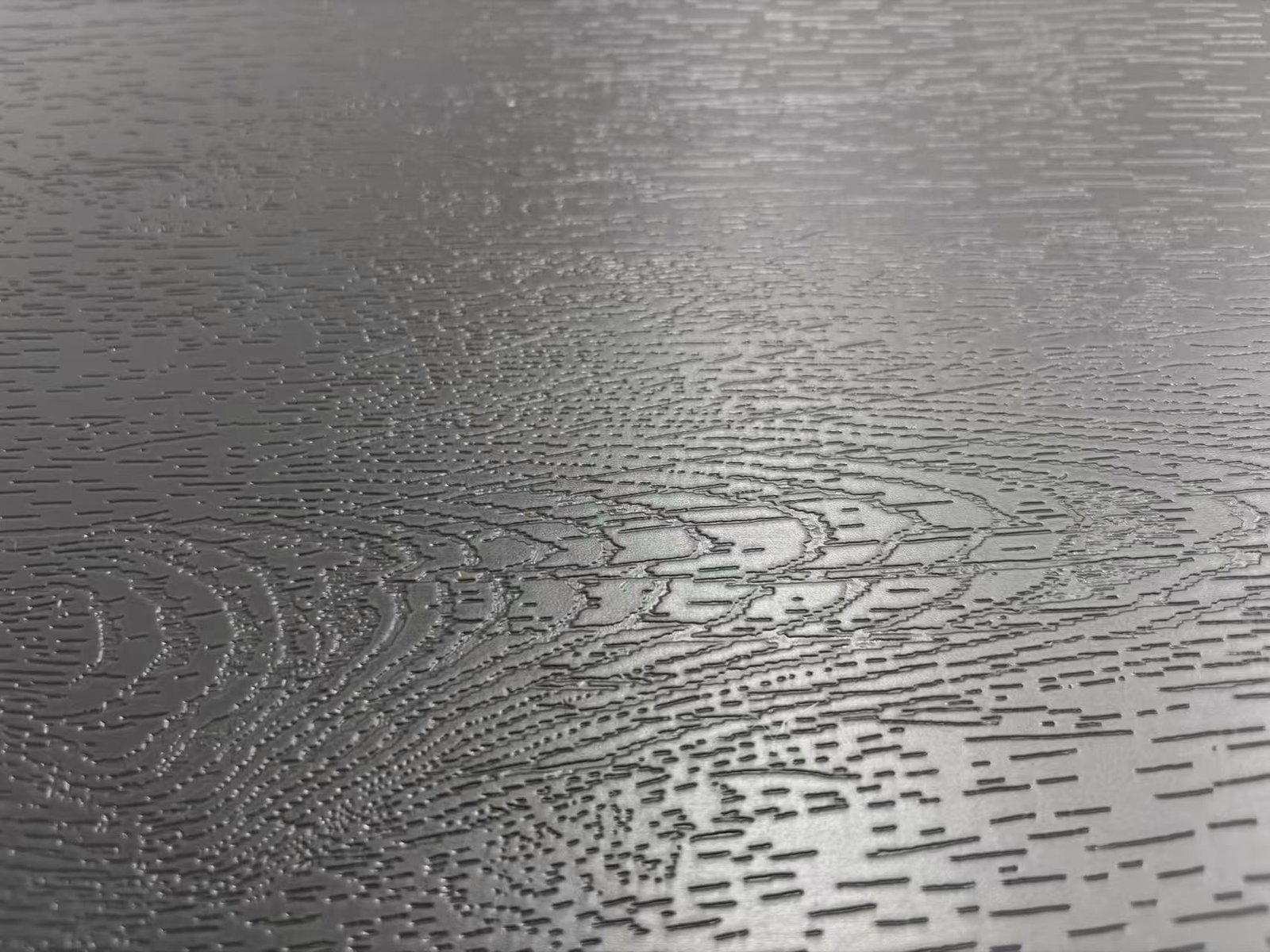
Review appearance as a joined floor
- Tone and print repeatLay several pieces together in the intended direction. Review how often recognisable features repeat and whether the tone variation suits the range.
- Texture and glossUse direct and side lighting. A photograph may hide gloss or exaggerate relief, so retain the physical approval sample.
- Edges and formatReview joined samples with the proposed bevel and plank size. The visual joint changes the overall appearance even when the décor stays the same.
Specify gloss with its measurement basis
A gloss number needs a unit, measurement geometry and test basis. Gloss units (GU) and a meter angle such as 60° describe different things. Do not turn a supplier’s shorthand range into a precise published measurement without that basis.
The approved sample should identify the décor, texture, coating and agreed gloss range. Texture depth, coating and lighting can all influence what the buyer sees. A lower gloss is an appearance choice, not proof of better durability.
Using one visual direction across constructions
An SPC click range and a flexible LVT range can be developed around a shared colour reference. Differences in structure, processing, embossing and coating can still change the final appearance. Approve each proposed construction separately; do not promise exact cross-structure colour identity.
Questions buyers ask
Is EIR always the better option?
It offers print-to-emboss alignment. Whether that is useful depends on the décor, intended appearance and budget. Compare it with other textures using physical samples.
Does deep texture mean better slip resistance?
No. Slip performance depends on the tested surface, method and conditions. A descriptive texture name is not a slip classification.
What should a surface enquiry include?
Send the décor or physical reference, preferred texture, gloss appearance, bevel, format and target market. Identify any measured slip or other project requirement separately.
Related buyer resources
Sources and further reading
Send the build and destination
Tell us the construction, wear layer, size, quantity per colour, destination and required documents. This gives the quotation a clear product and delivery basis.