Carpet-Pattern
Vinyl Flooring
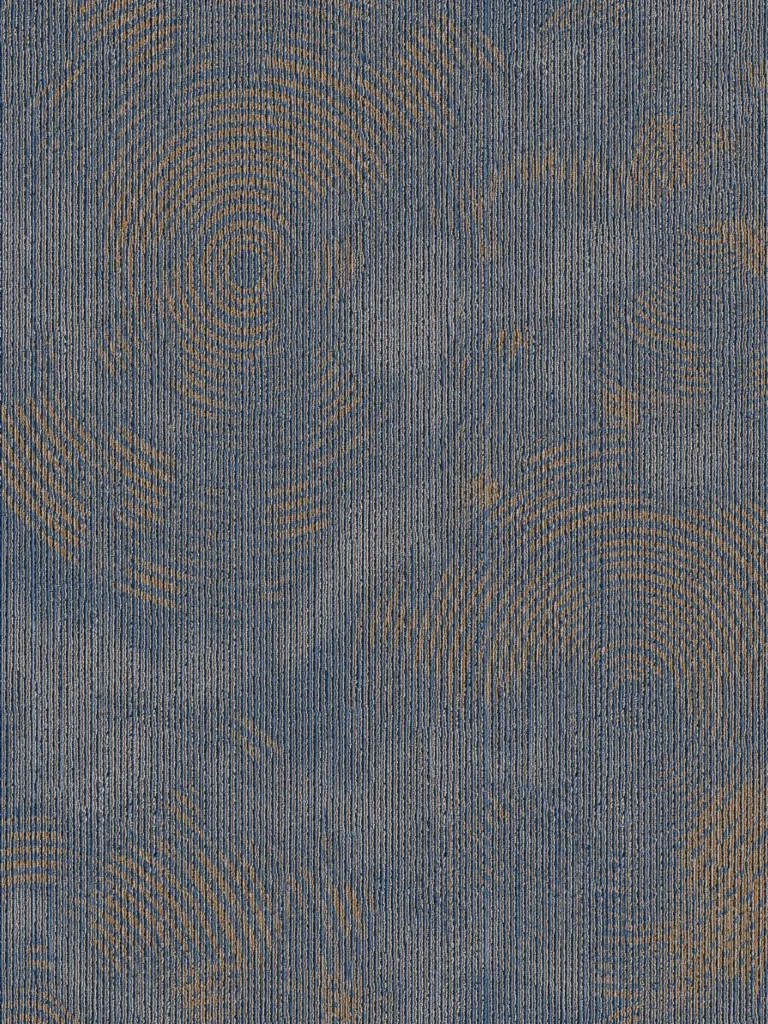
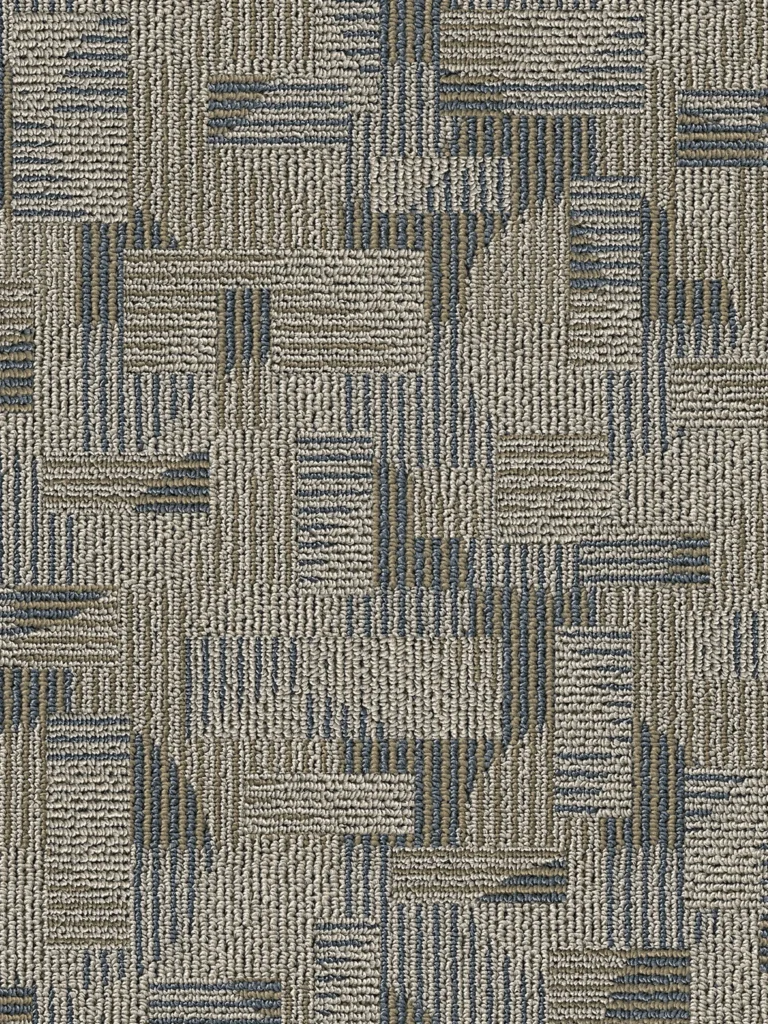
A textile appearance in SPC and LVT flooring. Start with the printed design, then define the construction and surface for the range or project you are buying.
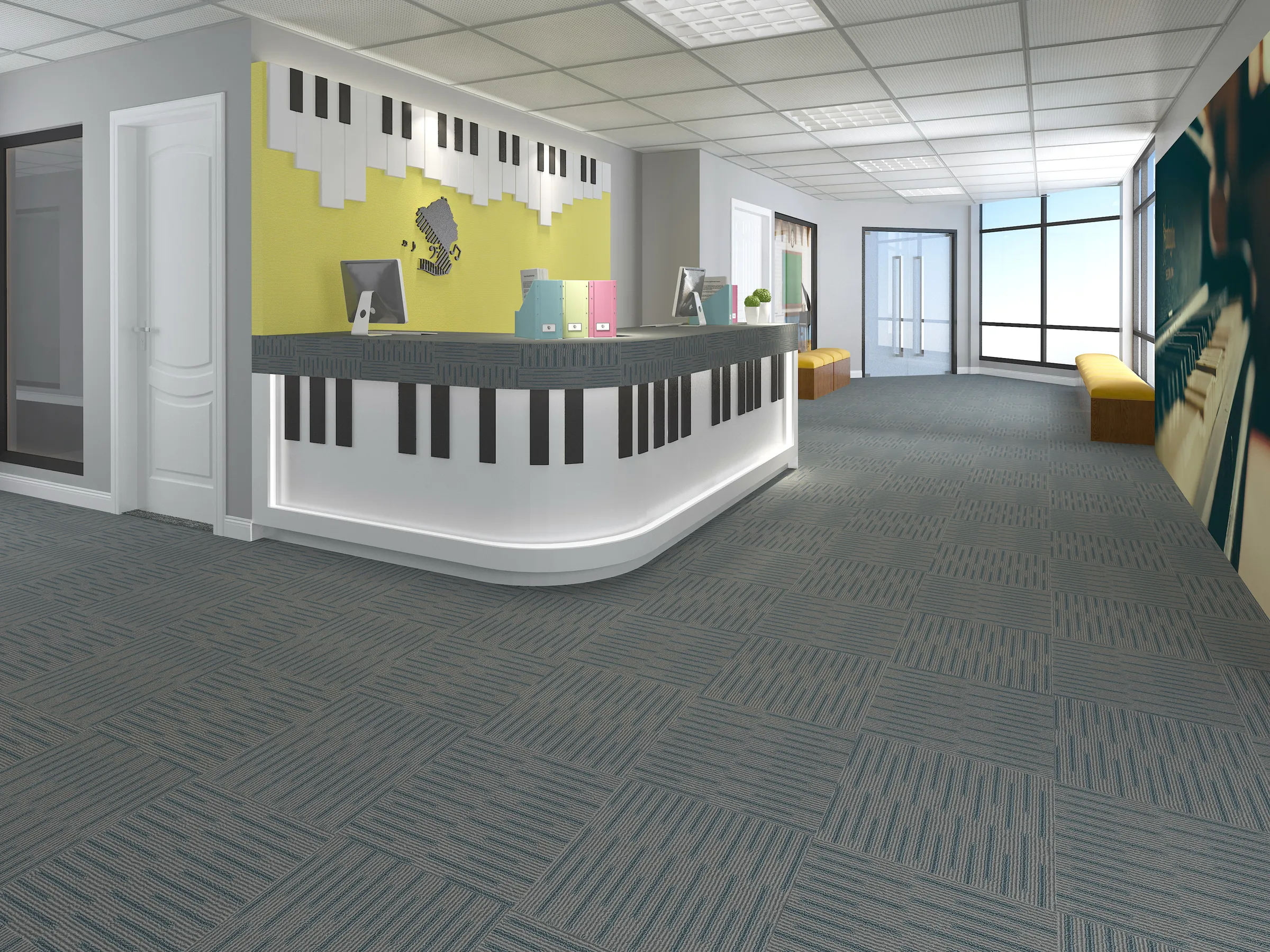
Textile appearance.
Vinyl construction.
Choose carpet-look vinyl when the design brief calls for a textile visual within an SPC or LVT range. The pattern does not determine softness, acoustics, slip resistance or a commercial use class. Those belong to the selected product and its evidence.
Look closely at the print.
Then see the floor.
Open each design for its full plan and assembly views. Quote the Eco.Info code in your request so the same design follows through to sampling.
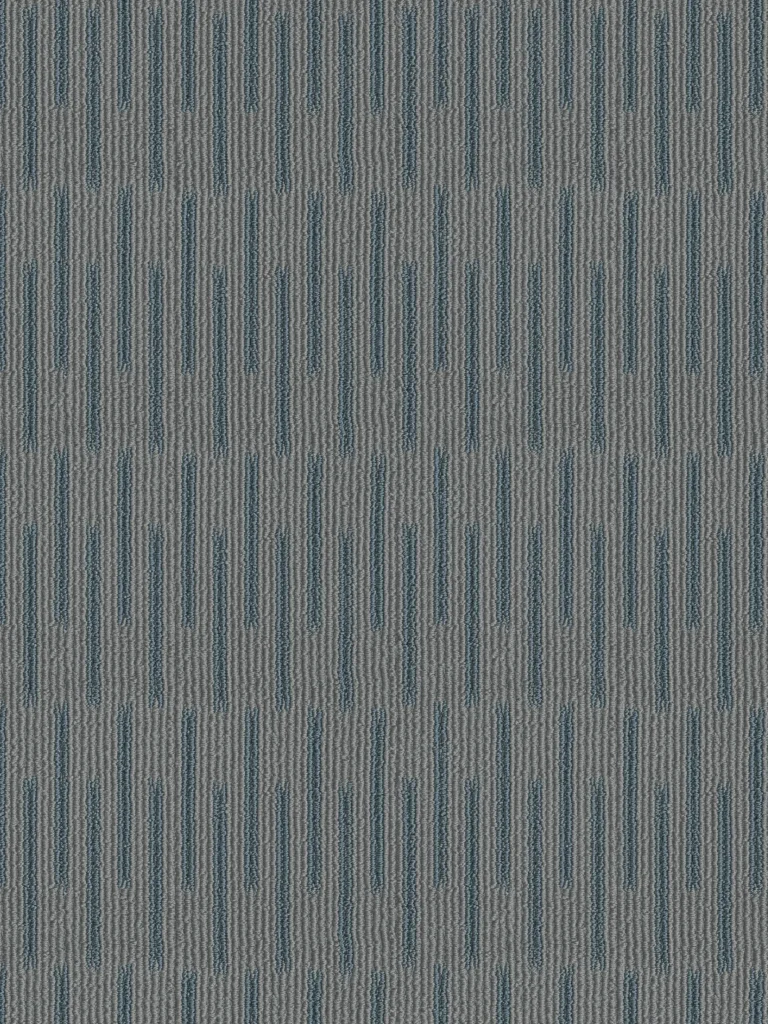
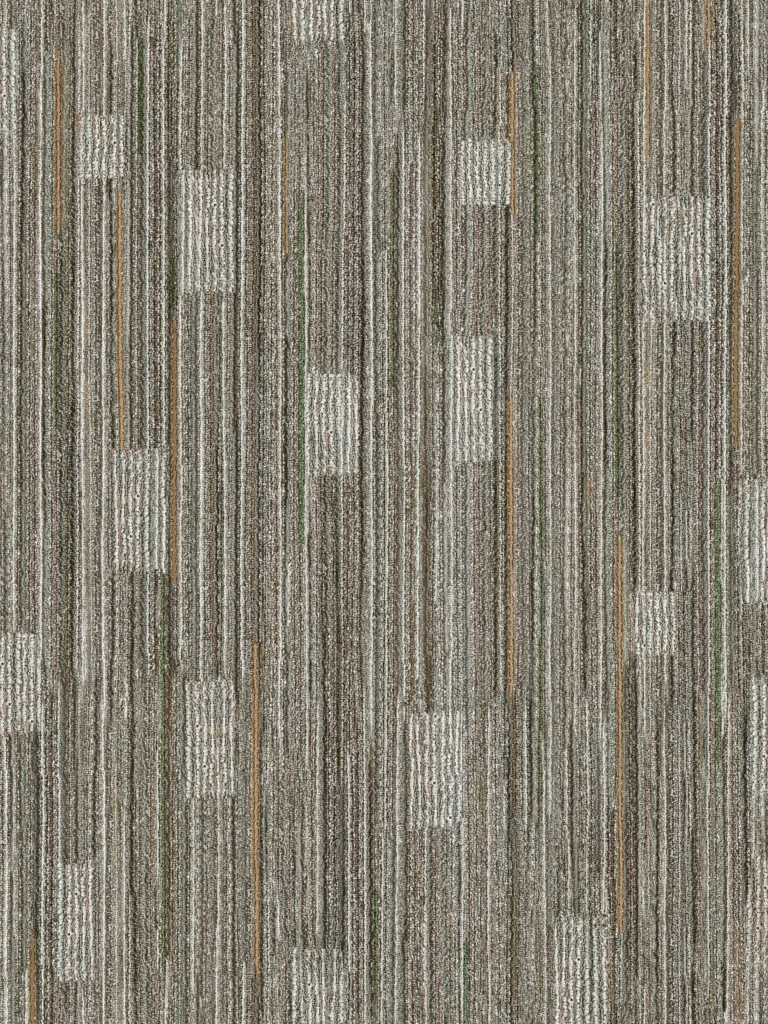
Explore the collection, or plan your order.
Browse the carpet-look library to compare more references. For pricing, send your shortlisted codes with the construction, quantity and destination.
Images are design references. Screen colour, printed appearance and physical surface texture are separate checks.
The same print can read
differently across a room.
A close-up shows the weave effect. Joined pieces show the repeat, joints and direction. Review both before selecting a format for your collection.
- Print scale
- Inspect the full design, not only a cropped thumbnail.
- Tile direction
- Compare aligned and rotated arrangements where the product instructions allow them.
- Surface feel
- Approve the embossing and gloss on a physical sample under direct and side lighting.
Aligned direction
Illustrative arrangement
Quarter-turn direction
Illustrative arrangement
Layout sketches only, not product artwork or installation approval. The selected design and product instructions govern the finished layout.
The appearance is one choice.
The construction is another.
Compare the core and fixing method first. Detailed dimensions, wear layers and installation limits stay on the relevant product pages.
This is a construction comparison, not a promise that every carpet-look décor runs in every format or build. Send the décor code with your preferred route.
A textile visual does not
replace a project specification.
Give the project requirements alongside the décor code. Match the sample, specification and documents to the same proposed product.
Acoustics
State the required metric and complete floor assembly. Backing thickness alone does not establish a sound rating, and a textile print does not establish sound absorption.
Read the acoustic guide →Fire, emissions & slip
Send the destination market and specified requirements. Review product coverage, surface, backing and installation conditions in the applicable documents.
Review document types →Traffic & maintenance
Describe castor chairs, rolling loads and cleaning methods. Use the product instructions and performance evidence to assess the actual application.
Read installation checks →A useful OEM brief
starts with the product.
For an existing décor or a new colour direction, send the product build and quantity with your branding requirements. Compare the physical floor sample before approving carton artwork or sales materials.
- Décor request
- Design code or physical colour reference; format and proposed layout
- Product brief
- Core, thickness, wear layer, backing, surface and required documents
- Order brief
- Quantity per design, market, timing and packaging requirements
Before you specify
a carpet-look range.
Separate the printed design from the product performance and installation requirements.