Why Non-PVC Flooring is Becoming the New Standard for German Architecture in 2026
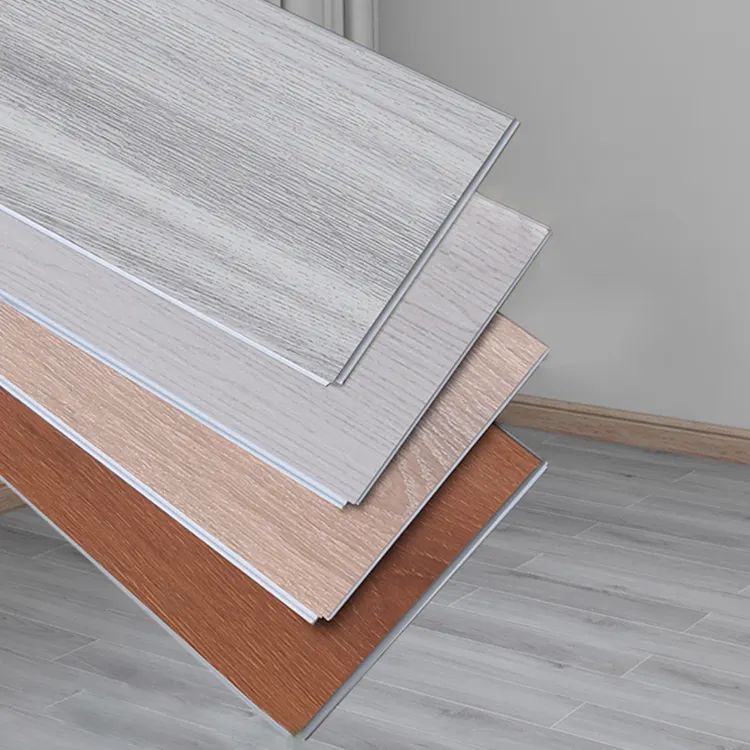
If you’re supplying materials for a commercial project in Berlin, Hamburg, or Munich in 2026, you’ve likely noticed a shift. The German market is moving fast—away from traditional PVC and toward Non-PVC (PVC-free) solutions.
It’s not just about “being green” anymore. It’s about meeting strict DIBt standards and the rising demand for Circular Economy compliance. At Ecoflors, we’ve been working with German partners to bridge the gap between high-performance durability and the toxin-free requirements of modern European interiors.
The “German Problem” with Traditional PVC
Let’s be blunt: While SPC is great, the chlorine content in PVC is a headache for many German public sector projects (especially schools and healthcare). In the event of a fire, PVC can release hydrogen chloride gas—a major safety concern.
In 2026, German architects are increasingly specifying PP (Polypropylene) or PET-based Non-PVC flooring because they are:
- 100% Chlorine-free (No toxic fumes).
- Phthalate-free (Zero plasticizers).
- Recyclable in existing European plastic waste streams.
Contact us for German project bidding.
Technical Performance: Does Non-PVC Stand Up?
One myth we often hear at the Munich Bau fair is that PVC-free means “soft.” That’s old-school thinking. Our 2026 Non-PVC range uses a high-mineral reinforced core that rivals SPC in density.
- Stability: Optimized for underfloor heating (standard in German new-builds).
- Wear Layer: 0.55mm high-performance coating that handles heavy foot traffic in retail environments.
Sourcing for Germany: Logistics & Compliance
We understand that for a German wholesaler, reliability is everything.
- Shipping to Hamburg/Bremerhaven: Optimized container loading to minimize carbon footprint.
- Certifications: Our products are tested to meet CE and FloorScore standards, with ongoing alignment for Blue Angel (Blauer Engel) criteria.

Leave a Reply